 Tampa Roofing
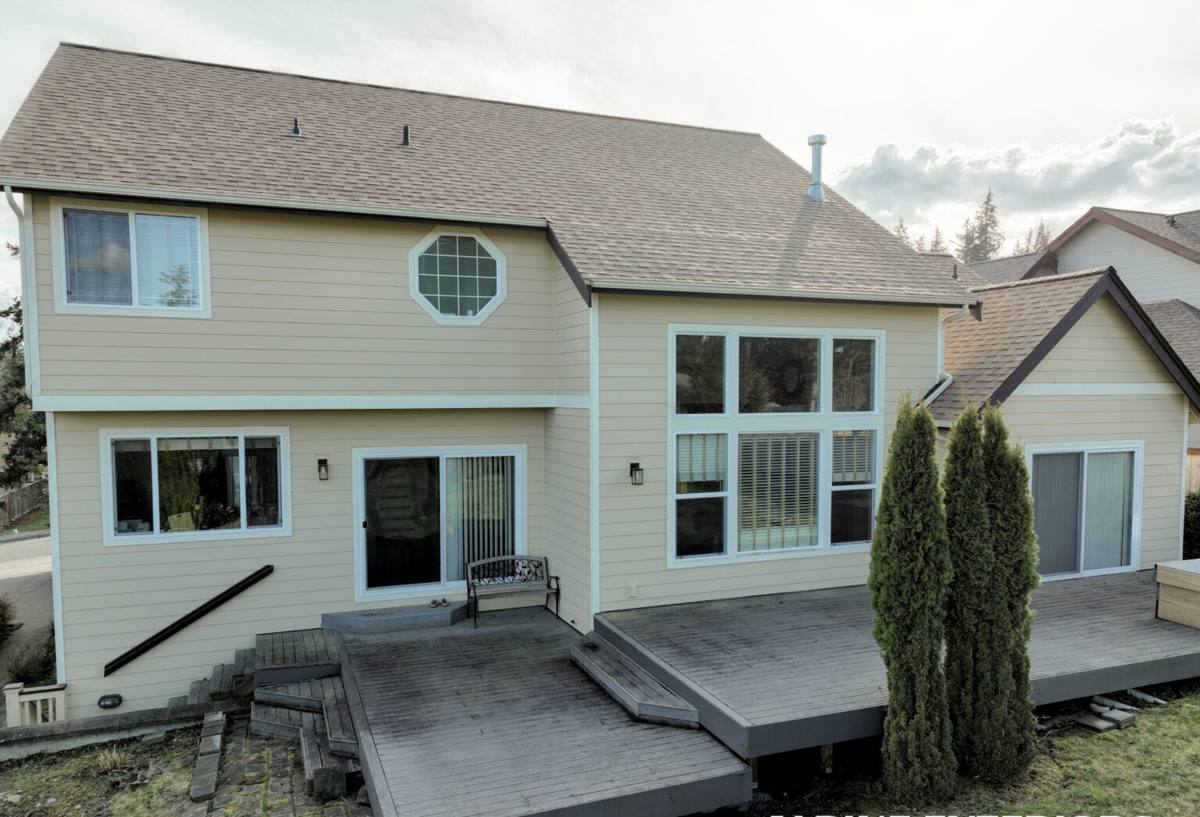
 Deck Replacement in Land O' Lakes: What Local Homes Are Up Against
Land O' Lakes sits inland from Tampa Bay in Hillsborough County's neighboring service area, but "inland" doesn't mean "protected." Homes here still take the full brunt of a Florida outdoor season: months of intense, near-vertical UV exposure, sudden afternoon downpours that soak a deck and then bake it dry within the hour, and the occasional hurricane-force wind event that tests every fastener and footing you own. Add in the area's humidity, which barely lets up even overnight, and you have a climate that is genuinely hard on exterior wood and composite structures.
A deck built or repaired without that reality in mind will show it fast — cupping boards, rusted fasteners, soft spots around posts, and rail connections that loosen year after year. Deck replacement done right in Land O' Lakes isn't just about swapping old boards for new ones. It's about rebuilding the structure to actually survive the environment it's sitting in.
Why "Just Replace the Boards" Usually Isn't Enough
A lot of deck problems homeowners notice on the surface — soft or splintering boards, sagging sections, rusty screw heads — are symptoms of what's happening underneath. In this climate, the substructure (posts, beams, joists, and the connections between them) takes on moisture from rain, humidity, and irrigation overspray, and that moisture rarely leaves as fast as it arrives. Meanwhile, sun exposure is drying and stressing the top surface at the same time the frame underneath stays damp. That combination — wet frame, sun-stressed deck boards — is what causes premature failure.
When we replace a deck, we don't just look at what's visible. We check the ledger board attachment to the house (a common weak point and a common source of water intrusion into the home itself), the condition of footings and posts, joist spacing and hardware, and whether the original structure was ever built to current wind and load standards. Replacing boards on top of a compromised frame just delays the real problem.
What a Full Deck Replacement Should Include
- Removal of old decking, railing, and any structural members that are compromised
- Inspection and, where needed, replacement of posts, beams, and joists
- Correct ledger board flashing and attachment where the deck meets the house
- Code-appropriate footings sized for local soil and load requirements
- Corrosion-resistant fasteners and structural hardware rated for coastal/humid exposure
- New decking material matched to your budget, maintenance preference, and sun exposure
- Railing and stair rebuild to current code, including baluster spacing and height
- Final inspection of every connection point before the job is called done
Material Choices: What Actually Holds Up Here
There's no single "right" decking material for every home — it depends on budget, how much sun the deck gets, and how much upkeep you're willing to do. Here's how the common options compare for a Land O' Lakes backyard.
| Material | Upfront Cost | Maintenance | Sun/Moisture Notes |
|---|---|---|---|
| Pressure-treated pine | Lowest | High — needs regular sealing/staining | Prone to cracking and graying under constant UV without upkeep |
| Composite decking | Higher | Low — no staining or sealing | Handles humidity well; quality boards resist fading better than early-generation composites |
| Tropical hardwoods (e.g., ipe) | High | Moderate — periodic oiling for color retention | Naturally dense and rot-resistant, but heavy and requires precise fastening |
| PVC decking | Higher | Very low | Doesn't absorb moisture, but can run hot underfoot in full sun |
We'll walk you through the real trade-offs for your specific deck — orientation, shade coverage, and how the space actually gets used — rather than pushing one product as a universal answer.
Fasteners and Hardware: The Part Nobody Sees
In a humid, storm-prone climate, the hardware holding a deck together matters as much as the decking on top of it. Standard fasteners corrode faster here than in drier climates, and corroded fasteners are one of the most common causes of deck failure we find during replacements — not the boards, the screws and brackets holding everything together. We use fasteners and structural connectors rated for exterior and coastal-adjacent exposure, and we match hardware to the decking material so galvanic corrosion (where dissimilar metals react against each other) isn't quietly weakening the structure from year one.
Building for Wind: Not Optional in This Part of Florida
Hurricane-force winds are a real design consideration for any outdoor structure in the Tampa Bay region, and a deck is no exception. Railings, stair stringers, and the connection between the deck and the house all need to be built to resist uplift and lateral load, not just support foot traffic on a calm day. This is one of the biggest differences between a deck that was "put together" and one that was engineered to code — and it's often invisible until a storm arrives and tests it.
When we replace a deck, every structural connection is sized and fastened to current wind and building code requirements, not just what happened to be on the original structure. That's especially important for decks that are 10, 15, or more years old, since code requirements have tightened over time.
Our Deck Replacement Process
- On-site assessment. We inspect the existing deck's frame, footings, and attachment to the house, and talk through what you want out of the new space.
- Written scope and estimate. You get a clear breakdown of what's being replaced, the materials involved, and the cost — no vague allowances.
- Permitting. Deck replacement typically requires a permit; we handle that process so the finished structure is inspected and documented, which matters for insurance and resale.
- Demolition and structural rebuild. Old materials come out, and the frame is rebuilt or reinforced to spec before a single new board goes down.
- Decking, railing, and finish work. Your chosen material is installed with attention to fastening pattern, spacing for expansion, and clean sightlines.
- Final walkthrough. We go over the finished deck with you and confirm every connection point before we consider the job complete.
Signs Your Deck Needs Replacement, Not Just Repair
- Soft, spongy, or spring-feeling spots anywhere on the deck surface
- Visible rot or insect damage at posts, especially where they meet the ground
- Rust staining running down from fastener heads
- Railings that wobble or shift under normal pressure
- Gaps opening up between the ledger board and the house
- A deck original to a home built before current wind code updates
Why Hiring a Crew That Already Works in Land O' Lakes Matters
Deck construction here isn't governed by a single generic standard — it's shaped by Hillsborough County and surrounding jurisdictions' permitting requirements, local wind zone considerations, and the practical realities of building in Florida's climate. A crew that regularly pulls permits and passes inspections in this area knows what inspectors are going to check, what footing depths and hardware specs are expected, and how to avoid the delays that come from a rejected permit or a failed inspection.
There's also a simpler reason local experience matters: we've seen how decks in this specific climate actually age. We know which fastener types hold up, which materials perform the way manufacturers promise once they've had a few Florida summers on them, and which shortcuts show up as callbacks two years down the road. That's the kind of knowledge you only get from doing this work in this climate, on this kind of soil, under these wind and rain patterns — not from a generalized national playbook.
What Affects the Cost of a Deck Replacement
| Factor | Why It Matters |
|---|---|
| Deck size and shape | More square footage and complex angles mean more material and labor |
| Decking material chosen | Composite and PVC cost more upfront than pressure-treated pine but need less upkeep |
| Structural condition | A frame that needs full replacement costs more than one needing reinforcement only |
| Height and stairs | Elevated decks with stairs and extra railing add labor and material |
| Permitting requirements | Scope and local code requirements affect engineering and inspection needs |
Because every deck and every home is different, we don't quote prices sight unseen — an accurate number requires an on-site look at your structure and a conversation about what you want out of the space.
Get a Straight Answer About Your Deck
If your deck is showing its age or you're just not sure whether it can be repaired or needs a full rebuild, we're glad to take a look. We'll give you an honest read on the structure, walk you through material options that make sense for your budget and your yard's sun exposure, and lay out a clear scope before any work begins. Fill out the form below to schedule a free, no-pressure estimate for your Land O' Lakes home.