 Tampa Roofing
 Why Land O' Lakes Roofs Take More Punishment Than People Expect
Land O' Lakes sits in the path of everything Florida weather throws at the greater Tampa Bay region — tropical systems that bring sustained hurricane-force gusts, summer thunderstorms that roll in almost daily with wind-driven rain, and some of the most intense year-round UV exposure in the continental United States. None of that is unique to any one street or subdivision here, but it adds up differently on a roof than it does on siding or windows. Shingles lose their granules and flexibility under constant sun long before they visibly fail. Wind doesn't just tear shingles off — it lifts edges, breaks seals, and drives rain sideways into gaps that would stay dry in a straight-down rainstorm. And because this area sits far enough inland to avoid the worst of direct coastal salt spray but close enough to the Gulf to catch it on stronger onshore winds, metal flashing, fasteners, and vents can corrode faster than homeowners expect.
The practical result: a roof in Pasco County ages differently than the same roof would in a drier, calmer climate. Storm damage repair here isn't just about patching a hole after a bad afternoon storm — it's about understanding how heat, wind, and moisture have already been working against that roof for years before the storm ever hit.
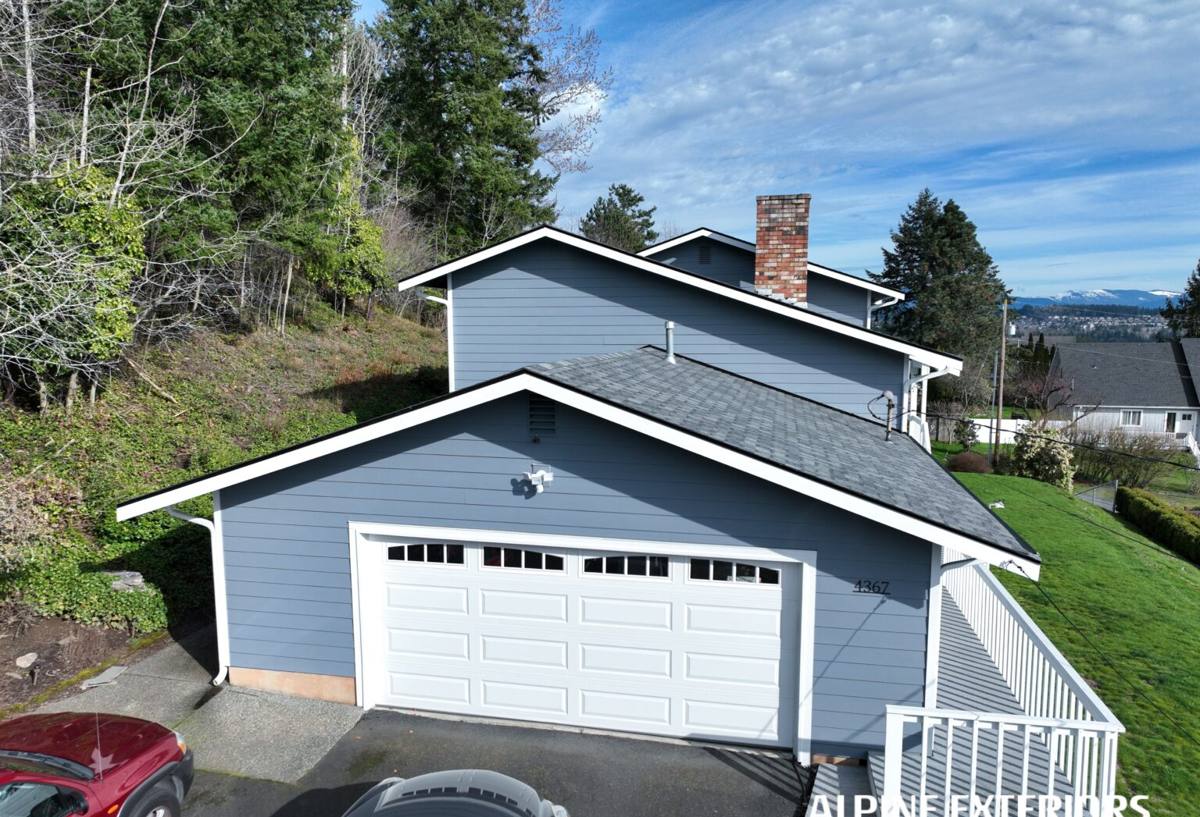
What Storm Damage Actually Looks Like
The Damage You Can See
Missing or torn shingles, dented or creased metal panels, and visible holes get noticed fast because they're obvious from the ground or in a quick walk around the house. These are the calls we expect right after a storm, and they're usually the easiest to diagnose correctly.
The Damage You Can't
The damage that causes real problems down the road is usually less obvious: shingles with broken seals that look fine but no longer lie flat, flashing that's been pushed loose around a chimney or skylight, or wind-driven rain that found its way under a ridge cap and is now sitting on the decking. In a climate with this much humidity, trapped moisture doesn't dry out on its own — it sits, and it spreads. A roof that "looks okay" after a storm can still have water working its way into the attic for weeks before a stain shows up on a ceiling.
This is why a proper storm damage inspection isn't a five-minute look from the driveway. It means getting on the roof (or using a drone when access is a concern), checking the attic from the inside, and looking at flashing points and penetrations — not just the field of the roof — because that's where most leaks actually start.
What a Correct Storm Damage Repair Involves
Not every storm damage repair is the same job wearing a different label. A repair done right generally includes:
- A full inspection of the roof surface, flashing, vents, and attic — not just the area that's visibly damaged
- Moisture checks on the decking underneath damaged sections, since wet plywood needs to be dried or replaced before new material goes down
- Matching the existing shingle or panel profile and color as closely as possible so repairs don't stand out or create an uneven wear pattern later
- Proper flashing work at any valleys, walls, or penetrations disturbed during the repair — this is where most future leaks originate if it's rushed
- Underlayment replacement in the repaired area, not just a shingle swap over old, possibly compromised underlayment
- Clean, sealed fastening that accounts for local wind exposure, not just whatever nail pattern is fastest
Skipping any of these steps doesn't always cause an immediate, visible problem — it usually shows up as a leak or a lifted section during the next significant storm, which is exactly the situation nobody wants to repeat.
Our Process, Start to Finish
1. Inspection and Documentation
We assess the full roof, not just the spot you called about, and document what we find with photos. This matters both for giving you an honest picture of the roof's condition and for supporting an insurance claim if one is being filed.
2. A Straight Answer on Repair vs. Replacement
We tell you what the damage actually requires — not what's easiest to sell. Plenty of storm damage is a legitimate, contained repair. Some isn't, especially on an older roof where the storm exposed problems that were already there.
3. The Work Itself
Repairs are scheduled and completed with attention to matching materials, proper flashing, and sealing methods suited to our wind and rain conditions — not shortcuts that might pass a quick visual check but won't hold up to the next system that rolls through.
4. Follow-Up
We stand behind the work and expect you to be able to reach us if anything about the repair doesn't look or perform right afterward. A repair that needs a callback the following month isn't a finished job.
Repair or Replace? How We Actually Decide
Homeowners often ask this before we've even looked at the roof, and it's a fair question — nobody wants to pay for a repair that's a stopgap on a roof that needs replacing anyway. These are the factors that actually drive the decision:
| Factor | Leans Toward Repair | Leans Toward Replacement |
|---|---|---|
| Roof age | Under 10–12 years, otherwise in good condition | Nearing or past its expected service life |
| Extent of damage | Isolated to one section or slope | Spread across multiple areas or slopes |
| Decking condition | Dry, solid decking beneath the damage | Soft or water-stained decking in multiple spots |
| Prior repair history | First significant repair needed | Repeated patch jobs already on record |
| Material availability | Matching shingle or panel still obtainable | Discontinued product with no close match |
None of these factors decide anything on its own — a roof can be young but have a soft-decking problem in one spot, or old but otherwise sound enough that a targeted repair is the honest recommendation. We walk through this with you rather than defaulting to whichever answer is more profitable.
Insurance Claims: What to Know Before You Call
Most storm damage claims in this area involve wind, not flood, which matters because it changes what your policy actually covers and how the adjuster will evaluate the damage. A few things worth knowing going in:
- Document damage with photos before any tarping or temporary repairs, if it's safe to do so
- Get an independent inspection from a contractor rather than relying solely on the insurance adjuster's assessment — the two don't always agree, and you're entitled to a second opinion
- Keep records of every estimate, invoice, and communication in case the claim is disputed or underpaid
- Understand that cosmetic wear unrelated to the storm typically isn't covered, even if it's on the same roof
We can walk an adjuster through what we found and explain our documentation, but we work for you, not the insurance company — our job is an honest assessment of the roof, not a number designed to make a claim easier to approve.
Why Hiring a Crew That Already Works Land O' Lakes Matters
After a significant storm, roofing crews from outside the area sometimes show up offering fast repairs — and then are unreachable a few months later when a problem surfaces. A contractor who works this area regularly has a few practical advantages that matter more than they might seem:
Familiarity With Local Permitting
Pasco County has its own permitting requirements for roofing work, and knowing that process ahead of time keeps a repair from stalling on paperwork.
Faster Response When It Counts
A crew based near Land O' Lakes and the wider Tampa area doesn't need days of travel time to get to your property after a storm — that gap often determines whether a leak stays a repair or becomes a much bigger problem.
Accountability
We're still here next season, next year, and beyond. That matters if a repair needs a warranty check or if you have questions well after the work is done.
Between Storms: Keeping Small Problems Small
Most of the storm damage repairs we're called out for are worse than they needed to be because a small issue sat unaddressed through one too many storms. A basic maintenance routine catches most of this early:
- Have the roof visually inspected each spring, before hurricane season ramps up
- Clear debris and leaves from valleys and gutters so water has a clear path off the roof
- Check attic ventilation — poor airflow accelerates shingle aging in our heat and humidity
- Re-inspect after any storm with sustained winds, even if nothing looks obviously wrong from the ground
- Address minor flashing or sealant issues promptly rather than waiting for a leak to appear
None of this eliminates storm damage entirely — no maintenance schedule can stop a bad enough storm — but it does mean the roof is starting from a position of strength rather than compounding old, ignored problems with new damage.
Get an Honest Look at Your Roof
If your roof has been through a recent storm, or you're not sure whether what you're seeing is cosmetic or something that needs attention now, we're happy to take a look. The estimate is free, there's no pressure to move forward with anything, and you'll get a straight answer about what the roof actually needs — just fill out the form below to get started.