 Tampa Roofing
 Land O' Lakes Decks Face a Different Climate Than the Photos in the Catalog
Land O' Lakes sits just north of Tampa, and while it doesn't get the salt-air exposure of the immediate coastline, it deals with everything else the Tampa Bay climate throws at outdoor structures: long stretches of intense summer UV, heavy afternoon thunderstorms that dump inches of rain in under an hour, high humidity nearly year-round, and the real possibility of hurricane-force wind gusts during storm season. A deck built here isn't a weekend backyard project done with catalog specs from a cooler climate — it's an outdoor structure that has to survive sun, water, and wind loads that a lot of national how-to guides simply don't account for.
We build and repair decks throughout the greater Tampa area, and Land O' Lakes is one of the neighborhoods we work in regularly. That matters because deck failures in this region almost never come from bad luck — they come from decisions made during framing and material selection that don't hold up once the Florida climate gets a few years to work on them.
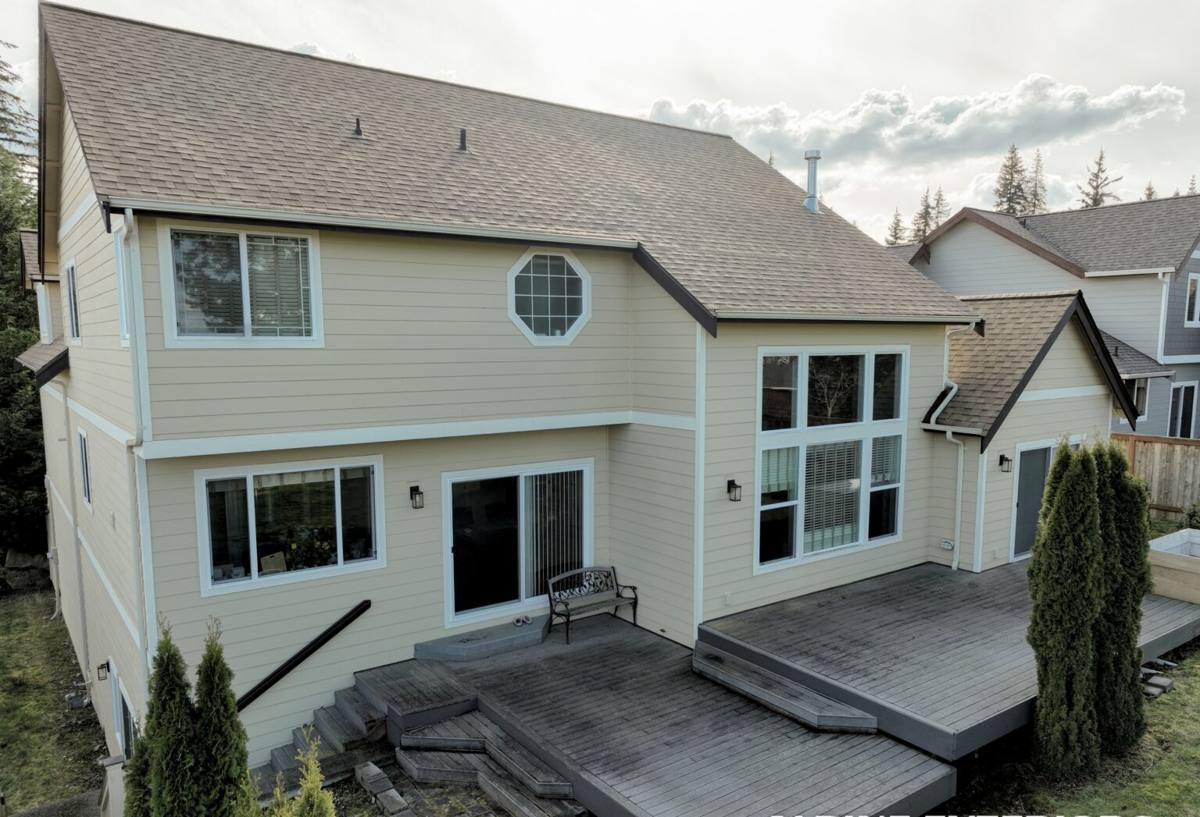
What a Correctly Built Deck Actually Requires Here
Framing and Fasteners
The single biggest difference between a deck that lasts and one that doesn't in this climate comes down to what's holding it together, not what's visible on the surface. Humidity and moisture cycling corrode standard fasteners faster here than in drier climates, which is why we use hot-dip galvanized or stainless hardware rated for ground contact and pressure-treated lumber compatibility. Joist hangers, ledger bolts, and structural screws all need to be matched to the treated lumber's chemical makeup — mismatched metals corrode faster and can fail quietly, inside the wood, long before there's a visible sign of trouble.
Ledger board attachment — where the deck connects to the house — is where we see the most dangerous shortcuts on older or DIY builds. It needs proper flashing to keep wind-driven rain from wicking behind the siding and into the rim joist, plus correctly spaced lag bolts or through-bolts sized for the actual load, not just "what was in the garage."
Footings and Post Anchoring
Florida's wind loads mean footings need to be sized and set to actual code depth for the wind zone, not just "deep enough to feel solid." Post bases should be mechanically anchored, not just set in concrete and left to friction, because uplift during high-wind events is a real design factor here, not a theoretical one. Undersized or shallow footings are one of the most common issues we find when we're asked to inspect or repair an existing deck.
Decking Material Options for Land O' Lakes Homes
Every decking material handles Florida sun, humidity, and rain differently. There's no single "best" choice — it's a real trade-off between upfront cost, long-term maintenance, and how the material behaves under UV and moisture over the years. Here's how the main options actually compare in this climate:
| Material | Upfront Cost | Climate Behavior | Maintenance Reality |
|---|---|---|---|
| Pressure-treated wood | Lowest | Can cup, splinter, or gray under intense UV and humidity cycling if not maintained | Needs re-sealing or staining every 1–2 years to hold up |
| Capped composite | Mid to high | Resists moisture absorption and UV fading far better than wood; surface doesn't splinter | Occasional cleaning; no sealing or staining needed |
| Uncapped composite | Mid | More moisture-resistant than wood, but the exposed core can absorb water at cut edges over time | Lower than wood, higher than capped composite |
| PVC decking | Highest | Fully synthetic, does not absorb moisture, very stable in heat and humidity | Lowest maintenance of the group |
| Aluminum decking | High | Doesn't rot, warp, or fade the way organic materials can; handles standing water well | Very low; mainly periodic cleaning |
We don't push any one product as the only "correct" answer. A pressure-treated wood deck, properly framed and maintained on a realistic schedule, is a perfectly sound choice for a lot of homeowners who don't mind the upkeep. Composite and PVC options cost more upfront but shift the equation toward less recurring maintenance — that's a homeowner decision, not something we make for you. Where we do draw a hard line is on installation quality: gapping, fastening, and ventilation under the decking all need to follow the manufacturer's climate-specific installation guidance, because a good material installed wrong will still fail early.
Permits, Codes, and Wind Load Requirements in Pasco County
Land O' Lakes falls under Pasco County's permitting authority, and any deck attached to a structure or built above a certain height typically requires a permit and inspection under the Florida Building Code. Wind load requirements factor directly into footing depth, post spacing, and connection hardware — this isn't paperwork for its own sake, it's the difference between a structure engineered for our storm patterns and one that just happens to look similar to something that was.
We handle the permitting and inspection process as part of the build, which also means the finished deck is documented and code-compliant if it ever comes up during a home sale or insurance review.
Our Deck Building Process
- On-site assessment. We look at your yard's drainage, sun exposure, soil, and how the deck will attach to the house before recommending anything.
- Material and layout discussion. We walk through the honest trade-offs between wood, composite, PVC, and aluminum based on your budget and how much upkeep you want to deal with long-term.
- Permitting. We prepare and submit the permit package to Pasco County and schedule the required inspections.
- Footings and framing. Footings are set to code depth, posts are mechanically anchored, and the frame is built with corrosion-rated hardware throughout.
- Ledger and flashing. Where the deck attaches to the house, we flash it correctly to keep wind-driven rain out of the structure.
- Decking installation. Boards or panels go down per the manufacturer's spec for gapping and fastening, which varies by material.
- Final inspection and walkthrough. We pass the required inspection and walk the finished deck with you before calling the job done.
Maintenance Reality: What Owning a Deck Here Actually Takes
Whatever material you choose, a Land O' Lakes deck sits under more UV hours and more humidity than a deck in most of the country. Here's a realistic maintenance checklist we give homeowners regardless of which material they pick:
- Sweep debris and standing organic matter off the deck surface regularly — trapped moisture under leaves or pollen buildup is what starts rot and mildew, even on composite and PVC.
- Check fastener heads and connections once a year for corrosion, popping, or loosening.
- Inspect the ledger flashing and the area where the deck meets the house for signs of water intrusion.
- For wood decks, plan on re-sealing or staining every 1–2 years — UV breaks down sealants faster here than in milder climates.
- Confirm gaps between boards haven't closed up from expansion, which can trap water and accelerate wear.
- After major storms, walk the deck and check posts, railings, and stairs for movement before using it again.
Common Mistakes We See on Older or DIY Decks Locally
A lot of the repair calls we get in this area trace back to a handful of recurring issues: ledger boards attached without proper flashing, standard (non-corrosion-rated) fasteners used on treated lumber, footings poured shallow because the original builder didn't account for local wind load requirements, and decking installed without the gapping needed for expansion in our humidity. None of these are visible defects at first — they show up years later as soft spots, rust staining, or a deck that feels less solid than it used to. When we're asked to repair rather than rebuild, this is almost always where the problem started.
Why Hiring a Crew That Already Works in Land O' Lakes Matters
Deck codes, wind load requirements, and permitting processes vary by county and jurisdiction, and Pasco County's requirements aren't identical to Hillsborough's or Pinellas's. A crew that regularly builds in this specific area already knows the local permitting office's expectations, the inspection sequence, and how the soil and drainage in this part of the county tend to behave. That local familiarity translates into fewer permit delays, fewer surprises during inspection, and a build that's sized correctly for what this specific location actually experiences — not a generic national average.
We're a Tampa-based crew that treats Land O' Lakes as one of our regular service areas, not a one-off trip. If you're planning a new deck, replacing an aging one, or want an honest look at whether an existing deck is still sound, we're happy to come take a look and give you a straightforward, no-pressure estimate using the form below.