 Tampa Roofing
 Why Land O' Lakes Homes Need Siding Built for This Climate
Land O' Lakes sits in Pasco County, just north of Tampa, and shares the same humid subtropical climate that defines the whole Tampa Bay region. That means long, intense summers with UV exposure strong enough to fade and chalk cheap siding within a few years, thunderstorms that drive rain sideways into wall assemblies, and a hurricane season that regularly puts sustained high winds and windborne debris to the test against exterior cladding. Salt-laden air moves inland across the greater Tampa Bay area on prevailing breezes, and combined with the region's humidity, it accelerates corrosion and rot in materials that aren't engineered for it.
Siding here isn't just cosmetic. It's the layer standing between your home's structure and a climate that works against it year-round. That's the lens we use on every Land O' Lakes project: does this material and this installation hold up to wind, water, and sun for decades, not just look good on install day.
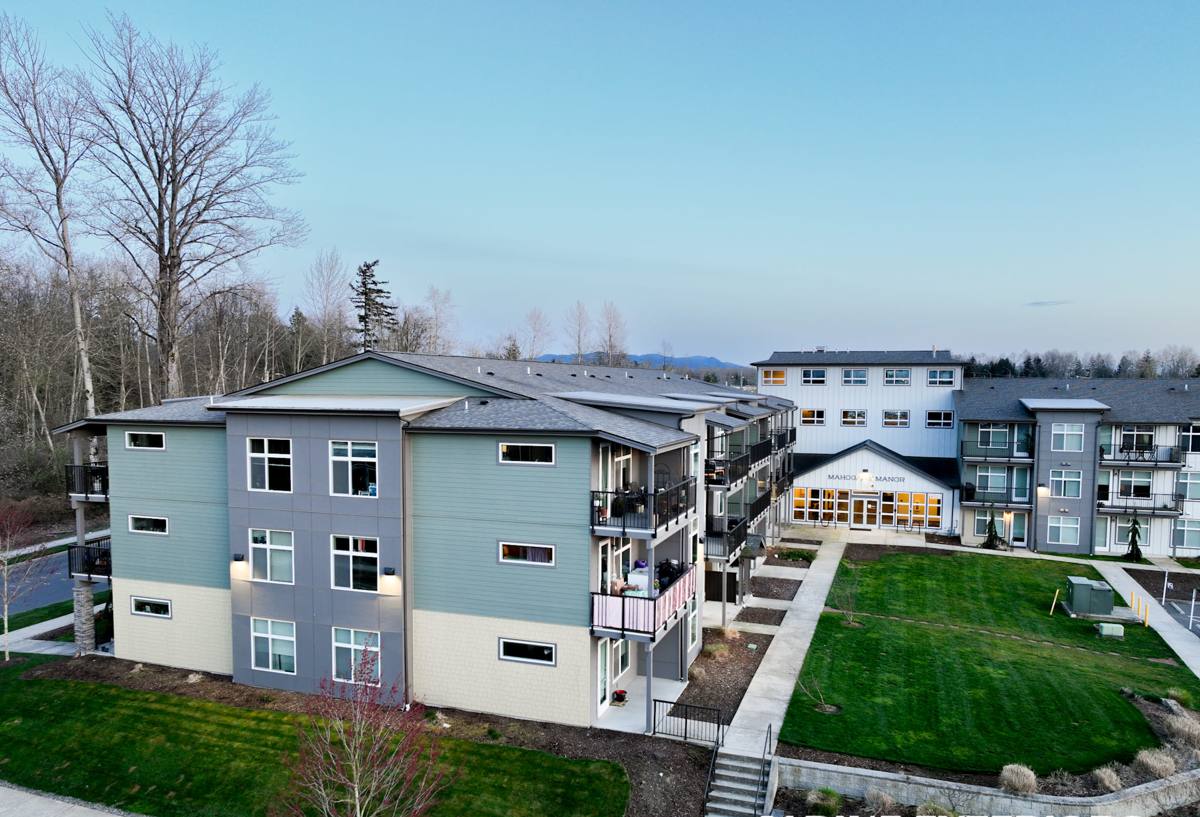
Why We Install James Hardie and Nothing Else
We standardized on James Hardie fiber cement because it's engineered for exactly the conditions Land O' Lakes homes face. It's non-combustible, it doesn't swell or rot when it takes on moisture the way wood-based products can, and its factory-applied ColorPlus finish is baked on to resist the fading and chalking that intense Florida UV causes in field-painted siding. Hardie also builds climate-specific engineering into its HZ5 product line for the Southeast, which accounts for our humidity and storm exposure rather than treating every region the same. We don't install vinyl, LP SmartSide, or other fiber cement alternatives because we've seen what holds up here and what doesn't, and we'd rather put one product on every home and stand behind it than offer a menu of materials with different failure points.
Product Lines That Make Sense on Land O' Lakes Homes
Most Land O' Lakes homes fall into a few common exterior styles, and Hardie has a product built for each:
| Product | Best Use | What It Solves |
|---|---|---|
| HardiePlank Lap Siding | Traditional horizontal siding, the most common look in the area | Durable, low-maintenance replacement for wood or vinyl lap siding |
| HardiePanel Vertical Siding | Modern facades, accent walls, gable ends | Clean lines without the warping issues of plywood or engineered wood panels |
| HardieShingle Siding | Craftsman-style homes or accent gables | Cedar-shake look without the moisture and pest vulnerability of real wood shakes |
| HardieTrim Boards | Fascia, corner boards, window and door trim | Won't rot or attract insects like painted wood trim |
Color selection matters too. ColorPlus finishes come baked on in a range of options engineered to resist UV fade, which matters more here than in milder climates where siding doesn't sit under direct Florida sun for eight-plus months a year.
What a Correct Installation Actually Involves
Fiber cement siding is only as good as the installation behind it. Hardie's own installation specs exist for a reason, and skipping them is the single biggest cause of premature siding failure we see when we're called out to fix someone else's work. A correct install includes:
- Proper clearance between siding and grade, roofing, decks, and other horizontal surfaces so water can't wick up into the board
- Correct fastener type, spacing, and penetration depth, matched to the substrate
- Weather-resistant barrier and flashing installed and lapped correctly at every window, door, and penetration before a single board goes up
- Proper gapping and sealing at butt joints and trim intersections, using sealants rated for the product
- Panels and planks fastened per Hardie's wind-zone requirements, not just "close enough"
Every one of these steps affects the manufacturer's warranty. Hardie backs its products with a strong transferable warranty, but that warranty assumes the installation followed spec. A crew that rushes clearances or skips flashing details can leave you with a home that looks fine for a year or two, then shows moisture damage, cracking, or paint failure that traces straight back to how it was hung, not the material itself.
Mistakes That Cut Years Off a Siding Job
- Nailing siding directly against roofing or deck surfaces with no clearance gap
- Using the wrong fastener (too short, too long, or wrong material) for the substrate
- Skipping or improperly lapping flashing at windows and doors
- Butting boards tight with no expansion gap or sealant
- Painting over factory ColorPlus finish instead of touching up with matched product, which can void warranty coverage
- Installing in wind conditions or fastening patterns that don't meet local wind-zone requirements
Our Process for a Land O' Lakes Siding Project
- On-site assessment: We inspect existing siding, sheathing, and any moisture or rot damage before quoting anything, so you know what you're actually dealing with.
- Tear-off and substrate check: Old siding comes off and we inspect the sheathing underneath. If there's water damage or rot from a prior installation's flashing failures, that gets addressed before new siding goes up, not covered over.
- Weather barrier and flashing: New house wrap and flashing get installed at every penetration, sized and lapped correctly for this climate's wind-driven rain.
- Hardie installation to spec: Planks, panels, or shingles go up following Hardie's fastening, clearance, and joint requirements for our wind zone.
- Trim and detail work: Corner boards, fascia, and trim are finished to shed water away from seams and terminations.
- Final walkthrough: We inspect the finished job against Hardie's installation checklist before calling it done, and walk the property with you.
Why Hiring a Crew That Already Works in Land O' Lakes Matters
Land O' Lakes has grown fast, with a mix of established neighborhoods and newer subdivisions, many governed by HOAs with their own architectural review requirements for exterior color and material changes. A crew that regularly works in this part of Pasco County already knows to check HOA guidelines before ordering materials, understands the permitting process for exterior work in the county, and is familiar with the wind-load and building code requirements that apply to homes in this area. That familiarity saves you from delays, rejected permits, or a color choice that gets flagged after installation.
It also means we've seen how homes in this specific area age under this specific climate; which elevations take the worst sun exposure, where wind-driven rain tends to find gaps, and what a correctly installed Hardie job looks like five and ten years in versus one that was rushed.
Maintenance and Long-Term Performance
One of the practical advantages of James Hardie in a climate like ours is how little upkeep it demands compared to wood or vinyl. It won't rot, warp, or attract termites, and the ColorPlus finish means you're not repainting every few years to keep ahead of UV fade. Realistic homeowner maintenance is simple:
- Rinse siding periodically to remove pollen, dirt, and salt residue that builds up in this region
- Inspect caulked joints and trim intersections annually, especially after hurricane season, and re-seal if caulk has cracked or pulled away
- Touch up any chips or scratches with Hardie-matched touch-up paint rather than a generic exterior paint
- Keep sprinklers and irrigation from spraying directly on siding long-term, which can cause mineral staining over time
What Affects the Cost of a Hardie Siding Job
Every home is different, but the same factors drive cost on nearly every project we quote in this area:
| Factor | Why It Matters |
|---|---|
| Home size and wall complexity | More corners, gables, and dormers mean more cutting, trim work, and labor time |
| Product line and profile | HardieShingle and custom trim details cost more in labor than straight lap siding runs |
| Substrate condition | Rot or water damage found during tear-off adds repair work before new siding can go up |
| Existing siding removal | Full tear-off versus siding over an existing layer changes labor and disposal costs |
| Color and finish choice | Factory ColorPlus finishes vary in cost by color selection compared to standard primed board |
We give homeowners a real, itemized number after seeing the home in person, not a rough guess over the phone. Given the climate factors at play here, cutting corners to hit a lower number usually costs more in repairs down the road than doing it right the first time.
Questions to Ask Before You Hire a Siding Contractor
- Are you a certified James Hardie installer, and can you explain the fastening and clearance specs you follow?
- Will you inspect and repair sheathing damage before installing new siding, or just cover what's there?
- What weather barrier and flashing details do you use around windows and doors?
- Is your warranty coverage tied to correct installation, and what happens if something fails down the line?
- Do you handle HOA architectural approval and county permitting, or is that on the homeowner?
If you're planning a siding project in Land O' Lakes and want a straight answer on what your home needs and what it'll cost to do it right, we're happy to take a look. Request a free, no-pressure estimate using the form below.