 Tampa Roofing
 Siding in Land O' Lakes Has to Work Harder Than the Brochure Suggests
Land O' Lakes sits in the humid, lake-dotted stretch of the greater Tampa area, and that setting is exactly why siding choice and installation quality matter more here than in most parts of the country. Homes are exposed to a long, intense cooling season, frequent afternoon thunderstorms that drive rain sideways into wall assemblies, and the real possibility of tropical storm or hurricane-force wind during the June-through-November season. Add in year-round UV exposure strong enough to fade and chalk lesser materials within a few seasons, and you have a climate that finds every weak point in a siding system — the fastening pattern, the flashing details, the caulk joints, the substrate underneath.
A siding job that looks fine on installation day can fail quietly over two or three years if it wasn't built for this environment. Bowing panels, soft spots at butt joints, paint that's chalking or peeling early, and moisture stains creeping up from the bottom courses are the kinds of problems we see on homes that got a siding product or installation approach suited to a milder, drier climate than the one Land O' Lakes actually has.
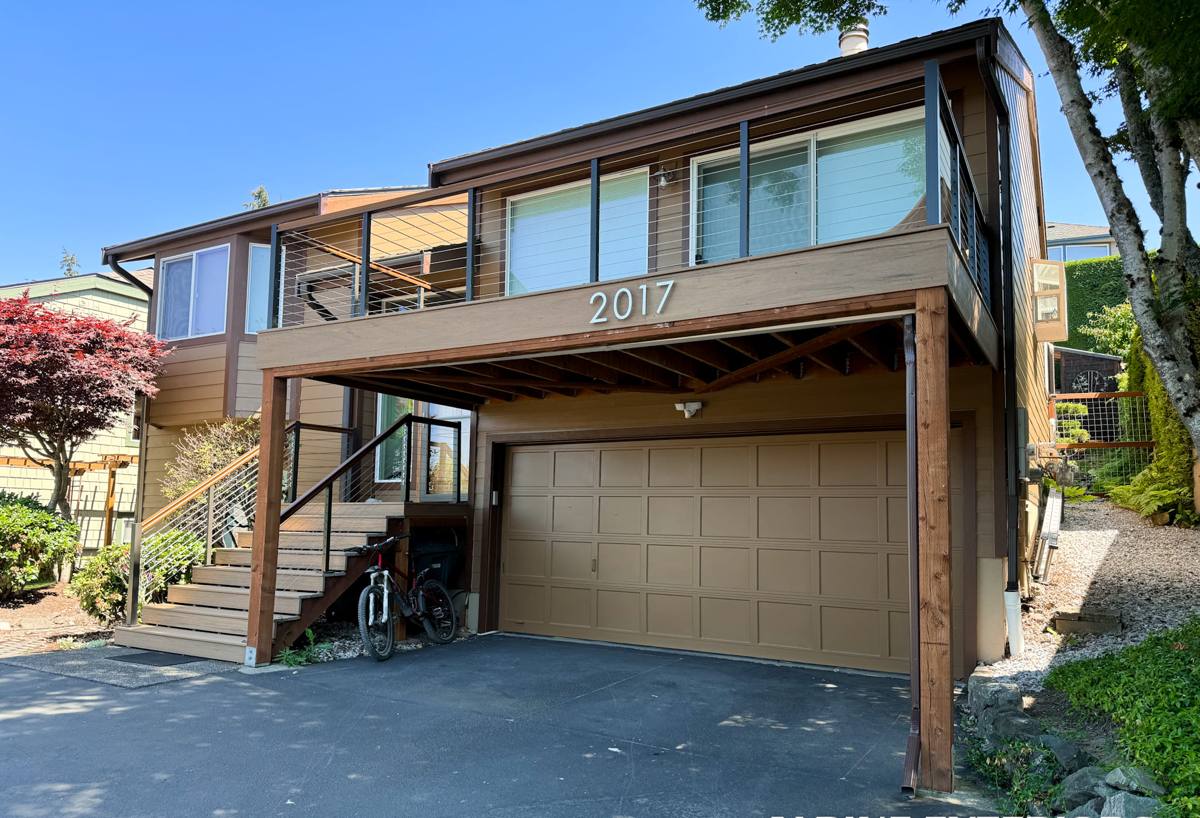
What Land O' Lakes Homes Specifically Need From Their Siding
Between the humidity, the proximity to lakes and wetlands common to the area, and storm exposure, a correctly specified siding system for a Land O' Lakes home needs to handle several things at once:
- Sustained high humidity without swelling, delaminating, or feeding mold and mildew growth
- Wind-driven rain intrusion at every seam, corner, and penetration point
- Direct, near-constant UV exposure without fading, chalking, or becoming brittle
- Wind uplift and impact resistance during tropical storms and hurricanes
- Long-term dimensional stability so panels stay straight and joints stay tight
This is the lens we use on every siding estimate in this neighborhood — not just "what does the homeowner want it to look like," but "what does this specific product and installation method need to survive here for the next 30-plus years."
Why We Install Only James Hardie Fiber Cement
We standardized this company on James Hardie fiber cement siding, and we don't install vinyl, LP SmartSide, primed wood, cedar, or other fiber cement brands. That's not a marketing position — it's a decision built around what actually holds up in Tampa Bay conditions over the long run.
Fiber cement is non-combustible, which matters in a state where lightning-driven brush fires and hot, dry stretches are part of the picture even in a generally humid climate. James Hardie's ColorPlus factory-applied finish is baked on under controlled conditions and backed by its own finish warranty, which matters enormously in a market where UV exposure is relentless — a factory finish holds color and resists fading far longer than field-applied paint on wood or the color-through pigment of vinyl, which can still fade and doesn't hide substrate movement.
Just as important, James Hardie engineers specific product lines for humid, high-moisture climates like Florida's — commonly referred to as HZ5 formulations — designed to resist moisture-related damage in exactly the conditions Land O' Lakes homes deal with every summer. That climate engineering, combined with a fiber cement core that doesn't feed mold the way wood substrates can and doesn't warp or soften the way some engineered wood products can under sustained moisture exposure, is why we consider it the right material for this area rather than simply a preferred brand.
We're upfront that other materials have their own strengths — vinyl is inexpensive and low-maintenance in mild climates, engineered wood siding can offer a warm look at a lower price point than fiber cement. But when we weigh those trade-offs against Hillsborough County's climate demands, hurricane exposure, and what we're willing to warranty our workmanship against, fiber cement is what we put on homes.
What a Correct Siding Installation Actually Involves
Substrate and Moisture Barrier Prep
Good siding starts underneath the siding. Before a single Hardie plank goes up, the sheathing needs to be sound, and a code-compliant weather-resistive barrier needs to be installed correctly — lapped shingle-style so water sheds outward, not inward. In a climate with this much wind-driven rain, gaps or shortcuts in this layer are the single most common cause of hidden rot and mold behind siding that otherwise "looks new."
Flashing and Penetration Details
Every window, door, vent, and utility penetration is a place water wants to get in. Correct installation means flashing tape and drip caps at every opening, proper kickout flashing where rooflines meet walls, and careful integration with the weather barrier so water is directed out and away from the wall assembly — not trapped behind it.
Fastening for Wind Resistance
James Hardie publishes specific fastening schedules by product line and by wind zone, and Florida's wind exposure requirements are stricter than most of the country's. Nail spacing, fastener type, and butt joint treatment all affect how a wall performs in sustained high winds. This is one of the areas where installation quality diverges most sharply from the material itself — even genuine Hardie siding installed with the wrong fastening pattern can underperform in a storm.
Joints, Caulking, and Clearances
Proper clearance from grade, roof lines, and decks; correctly caulked and painted cut edges; and butt joints backed with flashing rather than caulk alone — these details determine whether a siding job still looks tight and performs well a decade from now, or starts showing gaps and staining within a few years.
Our Process for Land O' Lakes Siding Projects
- On-site assessment — we look at the existing siding or sheathing, check for hidden moisture or rot, and evaluate wind exposure and sun exposure specific to the lot
- Product and profile selection — lap siding, panel siding, or trim combinations from Hardie's line, matched to the home's style and the homeowner's maintenance preferences
- Tear-off and substrate repair — removing failing material, replacing any compromised sheathing, and correcting existing moisture or flashing problems before new siding goes up
- Weather barrier and flashing installation — the step most likely to be rushed by lower-bid crews, and the one we spend the most care on
- Hardie installation to manufacturer and local wind-zone specifications — correct fastening, joint treatment, and clearances throughout
- Final inspection and cleanup — checking caulk lines, touch-up paint on cut edges, and confirming everything meets both Hardie's installation requirements and applicable building code
Siding Material Comparison for This Climate
| Material | UV/Fade Resistance | Moisture Behavior | Wind Performance | Long-Term Maintenance |
|---|---|---|---|---|
| James Hardie Fiber Cement | Strong (factory ColorPlus finish) | Engineered for humid climates (HZ5) | Rated for high-wind installation specs | Low — occasional wash and caulk check |
| Vinyl Siding | Moderate — can fade or chalk over time | Doesn't rot, but can warp or crack under heat/impact | Varies widely by gauge and install | Low, but panels can loosen or discolor |
| Engineered Wood (e.g., LP SmartSide) | Depends on field-applied or factory finish | Sensitive to prolonged moisture exposure at edges/joints | Adequate when installed to spec | Moderate — edge sealing and paint upkeep matter |
| Cedar / Primed Wood | Fades and requires refinishing | Prone to moisture absorption, rot in humid climates | Adequate but installation-sensitive | High — regular painting/sealing needed |
What Drives Siding Installation Cost in Land O' Lakes
| Cost Factor | Why It Matters Here |
|---|---|
| Home size and wall complexity | More corners, gables, and dormers mean more cutting, flashing, and labor time |
| Substrate condition | Humidity and past moisture intrusion can mean sheathing repair is needed before siding goes on |
| Product profile and trim package | Lap width, trim boards, and accent details all affect material cost |
| Existing siding removal | Tear-off of old vinyl, wood, or damaged fiber cement adds labor and disposal cost |
| Access and lot conditions | Lake-adjacent lots, mature landscaping, or tight setbacks can affect staging and equipment access |
We walk every one of these factors through with the homeowner before quoting, so there are no surprises once work starts.
Signs Your Siding Needs Attention Before Storm Season
- Visible gaps, warping, or buckling at panel seams
- Soft or spongy spots when pressed, especially near the bottom courses or window trim
- Paint or finish chalking heavily when wiped with a hand
- Persistent moisture staining or discoloration on interior walls near exterior siding
- Visible mold, mildew, or algae growth that returns quickly after cleaning
- Cracked or missing caulk at joints, corners, and window/door trim
Any of these are worth having inspected before the next round of tropical weather, not after.
Why Local Experience in Land O' Lakes Matters
A crew that regularly works this neighborhood already understands the practical realities — the humidity load homes carry through the summer, how storm patterns move through the area, and how lake-adjacent lots and mature tree cover affect both sun exposure and wind funneling against certain walls. That local pattern recognition shows up in small but meaningful decisions: where to reinforce flashing, which elevations tend to take the worst wind-driven rain, and how to sequence a project around Florida's rainy season rather than fighting it. It also means a crew that's already familiar with Hillsborough County permitting and inspection expectations for exterior work, which keeps a project moving instead of stalling on paperwork.
After Installation: Keeping Hardie Siding Performing
One advantage of fiber cement in this climate is how little upkeep it demands compared to painted wood. A periodic rinse to clear salt air residue, pollen, and general grime; a visual check of caulk lines and trim after major storms; and prompt attention to any impact damage are really the extent of it. Because the ColorPlus finish is factory-applied and warrantied, homeowners aren't on a recurring repaint cycle the way they would be with field-finished wood siding.
If your Land O' Lakes home's siding is showing its age, or you're planning ahead of the next storm season, we're happy to walk the exterior with you and give an honest read on what it needs. Reach out for a free, no-pressure estimate using the form below.