 Tampa Roofing
 Why Land O' Lakes Roofs Take a Beating
Land O' Lakes sits just north of Tampa in Pasco County, but it deals with the same weather systems that roll through Hillsborough County and the rest of the Tampa Bay region. That means a roof here has to hold up to hurricane-force wind gusts during storm season, intense UV exposure nearly year-round, wind-driven rain that finds its way into any gap in flashing or underlayment, and salt-laden air pulled inland off the Gulf that speeds up corrosion on exposed metal. None of that is unique to one neighborhood, but it does mean a roof installed for looks alone, without attention to these specifics, tends to fail early.
Sun and Heat
Florida sun is harder on roofing than most homeowners realize. UV exposure breaks down the asphalt oils in shingles over time, causing granule loss, brittleness, and cracking well before a shingle's rated lifespan is up if the wrong product or a poor installation lets heat build up underneath it.
Wind and Storms
Hurricane season runs roughly June through November, and even when a storm doesn't make direct landfall nearby, the outer wind bands can produce gusts strong enough to lift shingles that weren't fastened correctly. A properly installed roof is built to resist that uplift from the first day, not just when a named storm is in the forecast.
Moisture and Humidity
Between the humidity and the near-daily chance of afternoon thunderstorms for much of the year, roofs here need real ventilation and moisture management. A roof that traps heat and humidity in the attic ages faster from the inside, even if it looks fine from the street.
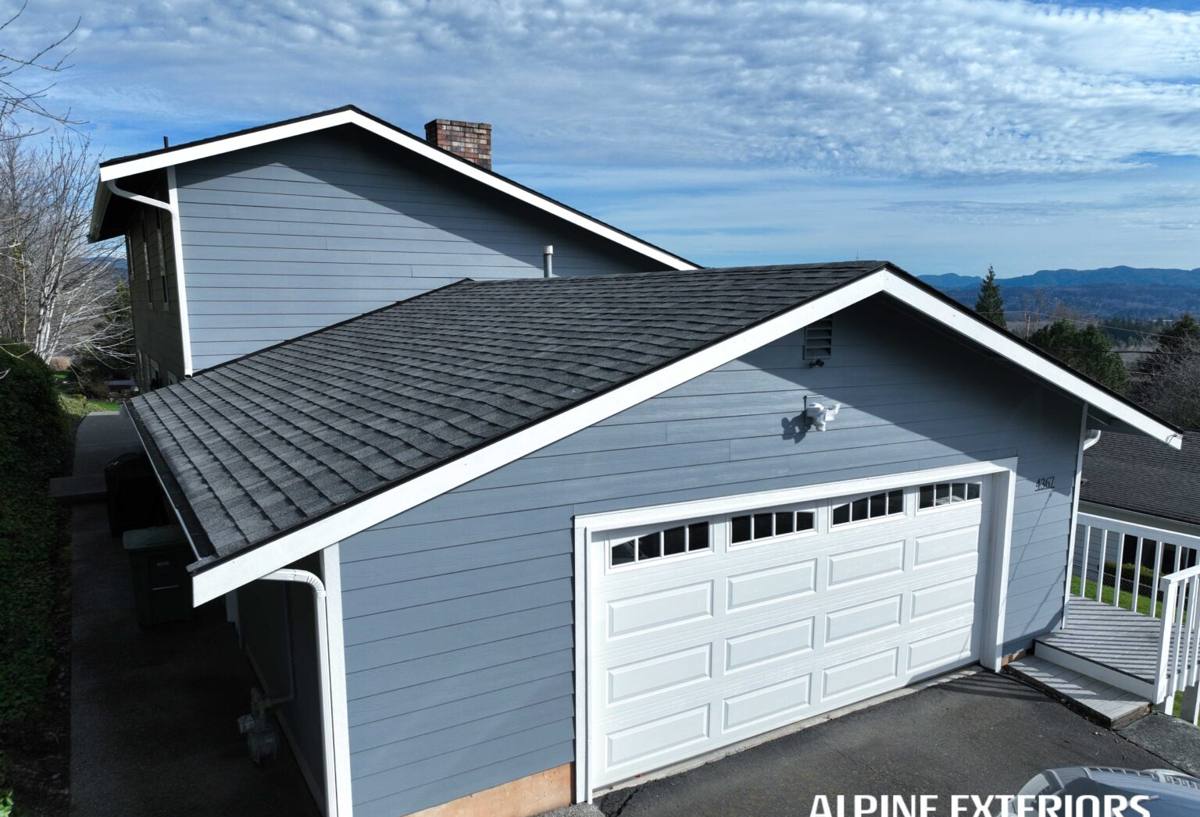
Is It Time for a New Roof, or Just a Repair?
Not every roof problem means starting over. A roof with isolated damage — a few storm-lifted shingles, a small flashing leak — is usually a repair. Replacement makes sense when the roof is past its practical service life, when damage is spread across multiple areas, or when repairs have become frequent enough that they're costing more than a new roof would over a few years. Here's what we look for when deciding which side of that line a roof is on:
- Shingles that are curling, cracking, or losing granules, especially in the valleys
- An asphalt shingle roof older than roughly 18–25 years, depending on the original product and installation quality
- Daylight visible through the roof boards from inside the attic
- Soft or spongy spots when walking the roof, which usually mean rotted decking underneath
- Rising energy bills that track with declining attic insulation or ventilation performance
- A pattern of repeat repairs after every significant storm
- Missing, lifted, or visibly damaged shingles following recent wind or hail
- Any visible sagging along the roofline, which should be evaluated right away
If a roof is showing two or more of these signs, it's worth getting an honest inspection before spending more money patching it.
What a Correct New Roof Installation Actually Involves
A new roof is more than shingles nailed to a deck. The parts homeowners can't see from the ground are what determine whether the roof performs when a storm actually tests it.
Tear-Off, Not Overlay
We remove the existing roofing material down to the deck rather than layering new shingles over old ones. An overlay hides problems instead of fixing them, and it prevents a real inspection of the decking underneath — which matters a lot in a climate where moisture damage can sit undetected for years.
Decking Inspection and Repair
Once the old roof is off, we check every section of decking for rot, soft spots, or water staining and replace anything that's compromised before a single new shingle goes down. Installing a new roof over bad decking just guarantees an early failure.
Underlayment and Flashing
A synthetic underlayment goes down across the full deck, with a self-adhering membrane at the eaves, valleys, and other vulnerable areas to give a second line of defense against wind-driven rain. Flashing around chimneys, sidewalls, and skylights gets replaced and properly sealed rather than reused or caulked over — caulk is a temporary fix, not a flashing detail.
Fastening to Code
Shingles get the nailing pattern and fastener count required for wind resistance under Florida's building code, not the minimum a crew can get away with. This is one of the most common places corners get cut, and it's also the detail that decides whether shingles stay put in a windstorm.
Ventilation
Balanced intake and exhaust ventilation keeps attic temperatures and moisture in check, which protects the decking, the shingles, and the insulation underneath them. A roof can be installed perfectly and still underperform if the attic underneath it can't breathe.
Choosing the Right Roofing Material for Land O' Lakes
There's no single "best" roofing material — the right choice depends on budget, how long you plan to stay in the home, and how much maintenance you want to take on. Here's an honest comparison of the main options we install:
| Material | Typical Lifespan | Wind Performance | Maintenance |
|---|---|---|---|
| Architectural asphalt shingle | 20–30 years | Good, when installed with proper fastening and high-wind-rated products | Low; periodic inspection after major storms |
| Metal (standing seam or panel) | 40–50+ years | Excellent; performs well in high wind when properly installed | Low; occasional fastener and sealant checks |
| Concrete or clay tile | 40–50+ years | Very good structurally, but individual tiles can crack from impact and need replacement | Moderate; broken tiles should be addressed promptly to protect the underlayment beneath |
Asphalt shingle remains the most common choice for cost reasons and works well as long as it's a wind-rated product installed correctly. Metal and tile cost more upfront but spread that cost over a much longer service life, which is worth discussing if you're planning to stay in the home long-term.
Our New Roof Installation Process
Inspection and Estimate
We start with a full roof and attic inspection, walk you through what we find, and give a written estimate that spells out materials, scope, and price — no vague allowances.
Material Selection
We go over the material options above in the context of your home, your budget, and how long you plan to own it, and help you land on the right fit rather than pushing one product line.
Permitting
We pull the required roofing permit through the local building department before work starts. This isn't optional paperwork — it's what triggers the inspections that protect you if something's wrong with the work later.
Tear-Off and Deck Prep
Old roofing comes off, decking gets inspected and repaired as needed, and the property is protected during the process.
Installation
Underlayment, flashing, and roofing material go on in that order, following manufacturer specifications and code-required fastening.
Final Walkthrough and Cleanup
We do a final inspection with you, make sure the job passes the required municipal inspection, and clean the property thoroughly, including a magnetic sweep for stray nails.
Permits, Wind Mitigation, and Insurance
Roofing permits and inspections exist for a reason in a region that sees regular tropical weather — they're the check that confirms a new roof actually meets Florida's wind-resistance requirements, not just that it looks finished. After a qualifying new roof, homeowners in this area can often have a wind mitigation inspection done, which documents features like a sealed roof deck, secondary water barrier, and hurricane-rated roof-to-wall connections. That documentation is submitted to your homeowner's insurance carrier and can lower premiums, since insurers price risk based on how well a roof is likely to perform in wind and rain. We can point you toward next steps for that inspection once the roof is complete.
Why Hiring a Crew That Already Works in Land O' Lakes Matters
A roofing crew that regularly works this area already knows the local building department's process, the typical roof pitches and construction styles common to homes here, and how to schedule around Tampa Bay's storm season so a job doesn't get caught mid-project when weather moves in. That familiarity also means fewer surprises with permitting timelines and inspection scheduling, and a shorter path from estimate to a finished, inspected roof. A crew unfamiliar with the area is learning on your project — that's not the position you want your new roof in.
What a New Roof Really Costs
Roofing costs vary enough by project that any number without context is close to meaningless. The real cost of a given job depends on:
- Roof size and pitch — steeper, larger roofs take more material and labor
- Material chosen — asphalt, metal, and tile carry different price points
- Number of existing layers to remove — more tear-off means more labor
- How much decking needs to be replaced once the old roof comes off
- Roof complexity — valleys, dormers, chimneys, and skylights all add time and flashing work
- Any code-required upgrades triggered by a full replacement, such as updated ventilation
We won't quote a price without seeing the roof, because anyone who does is guessing. A proper estimate walks the roof, checks the attic, and gives you a number based on what your home actually needs.
If your Land O' Lakes roof is showing its age or storm damage, we're happy to take a look and give you a straight answer — no pressure, no inflated scare tactics. Fill out the form below for a free estimate.