 Tampa Roofing
 Siding Replacement Built for Land O' Lakes Conditions
Homes in Land O' Lakes sit in a part of the greater Tampa Bay region that gets the full Florida treatment: long stretches of intense UV exposure, heavy summer humidity, wind-driven rain that comes in sideways during afternoon storms, and the occasional direct hit from tropical systems that push straight through the interior of the peninsula. Siding here isn't just a cosmetic layer — it's the first line of defense against moisture intrusion, and it takes a beating every single season, not just during hurricane season.
We're a Tampa-based crew, and Land O' Lakes is inside our regular service area. That matters more than most homeowners realize when they're comparing bids, and we'll explain why later on this page. First, let's talk about what actually goes wrong with siding out here, and what a correct replacement looks like.
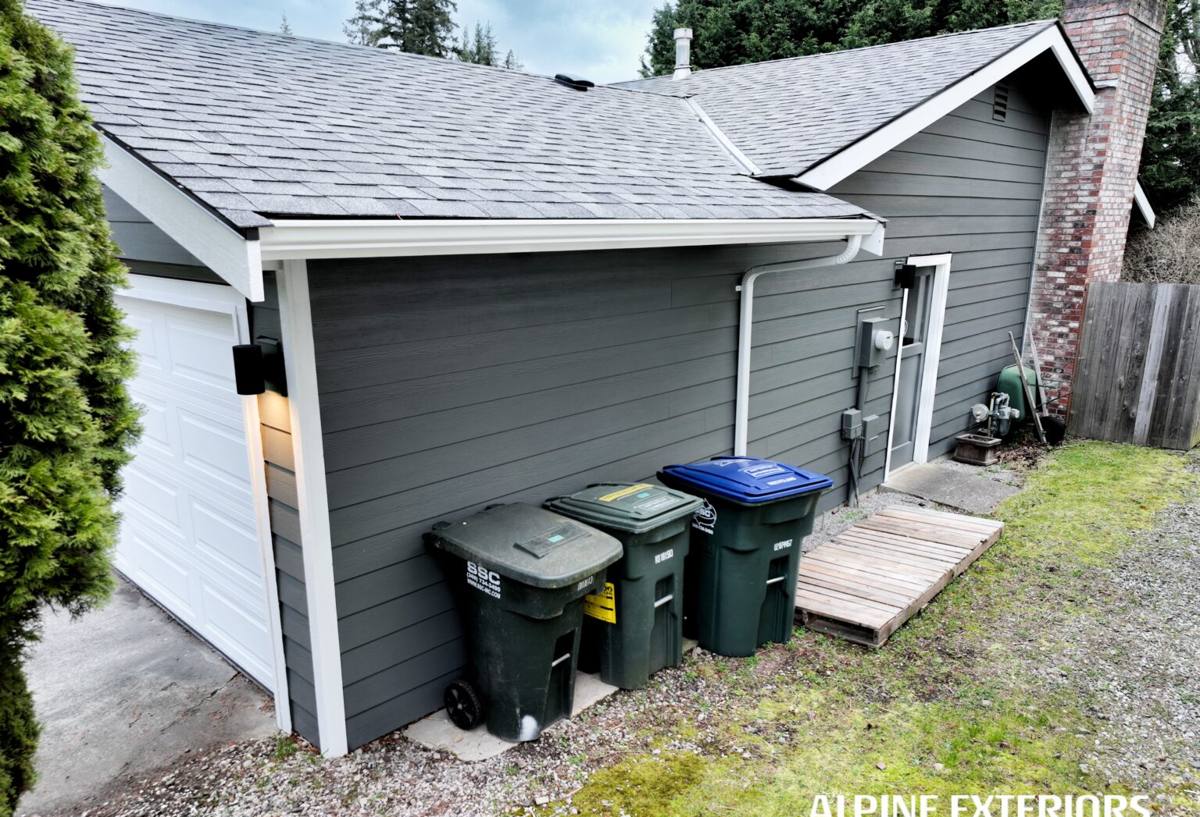
How This Climate Wears Siding Down
Every siding material fails differently depending on what's attacking it. In this part of Florida, the main culprits are:
- UV degradation — near-constant sun exposure fades color, chalks paint finishes, and dries out materials that rely on surface coatings for protection.
- Wind-driven rain — afternoon thunderstorms don't just fall straight down; wind pushes water sideways into laps, seams, and butt joints where it can work its way behind the siding if flashing and fastening weren't done correctly the first time.
- Humidity and moisture cycling — constant swings between wet and dry stress any material that isn't dimensionally stable, and create ideal conditions for rot, mold, and fastener corrosion behind the cladding.
- Storm-force wind — even without a direct hurricane strike, this area regularly sees gusts strong enough to pry loose poorly fastened panels or lift edges that weren't installed to spec.
None of this is unique to Land O' Lakes specifically — it's the reality across the Tampa Bay area — but it's worth saying plainly because so much siding sold nationally is engineered for climates that don't have to deal with it.
Signs Your Siding Needs to Be Replaced, Not Patched
Not every issue means a full tear-off. But there's a point where patching becomes a waste of money. Watch for:
- Soft or spongy spots when you press on the siding, especially near the bottom courses or around windows and doors
- Visible cracking, warping, or buckling panels
- Paint that's failing repeatedly in the same spots within a year or two of repainting
- Gaps opening up at seams, corners, or trim joints
- A musty smell or visible staining on interior walls that share an exterior wall with damaged siding
- Siding that's more than 20-25 years old and was never a fiber cement product
- Visible fastener corrosion — rust streaks bleeding down from nail heads
If you're seeing two or more of these, it's usually cheaper long-term to replace than to keep chasing repairs on a material that's already failing systemically.
What a Correct Siding Replacement Actually Involves
A siding replacement is only as good as what's underneath it. Panels are the visible part, but most siding failures actually start with what happens — or doesn't happen — behind them.
Tear-off and inspection
Old siding comes off completely so the sheathing underneath can be inspected. This is the point where hidden rot, water damage, or pest issues get found. Skipping this step and installing new siding over compromised sheathing just seals the problem in.
Moisture barrier and flashing
A correctly installed weather-resistive barrier, combined with proper flashing at windows, doors, and any penetration point, is what actually keeps wind-driven rain out — not the siding panels themselves. This is also the step most commonly rushed or skipped by crews trying to move fast, and it's the one that causes the most expensive failures years later.
Fastening to manufacturer spec
Fiber cement siding has specific fastening requirements — nail type, spacing, and placement all affect wind resistance and long-term panel performance. Installing it like it's vinyl or wood is one of the most common mistakes in this trade.
Trim, caulking, and finish detail
Corners, butt joints, and trim transitions are where water intrusion typically starts. Correct detailing here is what separates a job that looks fine at handoff from one that's still performing a decade later.
Why We Only Install James Hardie Fiber Cement
We don't install vinyl siding, LP SmartSide, Cemplank, Allura, or primed wood products like spruce or cedar. That's not a marketing angle — it's a standard we settled on after weighing what actually holds up against Florida conditions over the long haul.
Vinyl softens, fades, and can warp under sustained heat and direct sun, and it isn't a great match for wind-driven rain intrusion at seams. Engineered wood products like LP SmartSide perform reasonably well but rely on wood-based cores and coatings that are more sensitive to moisture cycling than fiber cement. Primed wood siding needs consistent, disciplined maintenance to keep ahead of rot in a climate this humid — most homeowners underestimate that upkeep until it's already a problem.
James Hardie fiber cement is non-combustible, dimensionally stable in heat and humidity, and available in HZ product lines engineered specifically for humid, moisture-heavy climates like this one. The factory-applied ColorPlus finish holds color under UV exposure far better than field-applied paint, and it comes with a strong transferable warranty when installed to spec. It's not the cheapest option on the shelf, but it's the one we're willing to put our name behind on a Tampa Bay roofline.
Comparing Siding Options for This Climate
| Material | UV / fade resistance | Moisture tolerance | Wind performance | Typical maintenance |
|---|---|---|---|---|
| James Hardie fiber cement | Strong — factory ColorPlus finish | High — engineered for humid climates | Strong when installed to spec | Low; periodic caulk/paint checks |
| Vinyl | Fades and can chalk over time | Moderate; seam intrusion risk | Can warp or detach in high gusts | Low, but limited repair options |
| LP SmartSide / engineered wood | Moderate; coating-dependent | Moderate; wood-based core | Good if fastened correctly | Moderate; coating upkeep matters |
| Primed wood (spruce/cedar) | Depends entirely on paint upkeep | Lower in sustained humidity | Good if maintained | High; repainting and rot checks needed |
Our Process for a Land O' Lakes Siding Replacement
- On-site inspection — we walk the exterior, check for hidden moisture or rot, and identify problem areas before quoting anything.
- Written estimate — scope, materials, and price laid out clearly, no vague allowances.
- Material order and scheduling — James Hardie panels, trim, and color are confirmed before we schedule the crew.
- Tear-off and sheathing check — old siding removed, substrate inspected and repaired if needed.
- Weather barrier and flashing installation — the part of the job that actually stops water intrusion.
- Siding installation to manufacturer spec — correct fastening, spacing, and trim detail throughout.
- Final walkthrough — we go over the finished job with you before calling it done.
Why Hiring a Crew That Already Works This Area Matters
A siding job done by a crew unfamiliar with this specific climate tends to make the same mistakes over and over: underestimating flashing needs, using fastening patterns better suited to drier regions, or not accounting for how much sustained UV and humidity this area actually sees compared to where a national installer might be used to working.
We're based in Tampa and work throughout Hillsborough County and the surrounding Tampa Bay area, including Land O' Lakes. That means we're not learning the region's weather patterns on your roof — we've already seen how wind-driven rain behaves against a wall assembly here, how fast UV fades an unprotected finish, and what happens when a job skips the moisture barrier step. It also means if a warranty question or a minor issue comes up after the job is done, you're calling a crew that's still local and still reachable, not a company that moved on to the next region.
What Affects the Cost of a Siding Replacement
| Factor | Why it matters |
|---|---|
| Home size and wall complexity | More square footage and more corners, gables, and trim detail add labor and material |
| Condition of existing sheathing | Hidden rot or water damage found during tear-off may require repair before new siding goes on |
| Siding profile and trim selection | Lap width, trim style, and accessory pieces affect material cost |
| Color and finish | Factory ColorPlus finishes vs. field painting affect both cost and long-term maintenance |
| Access and site conditions | Landscaping, fencing, or tight lot lines can affect labor time |
We won't quote a number without seeing the home first — anyone who does is guessing, and that guess tends to change once the tear-off starts.
If your Land O' Lakes home's siding is showing its age or you're planning ahead for storm season, we're happy to take a look and give you a straightforward, no-pressure estimate. Use the form below to get started.