 Tampa Roofing
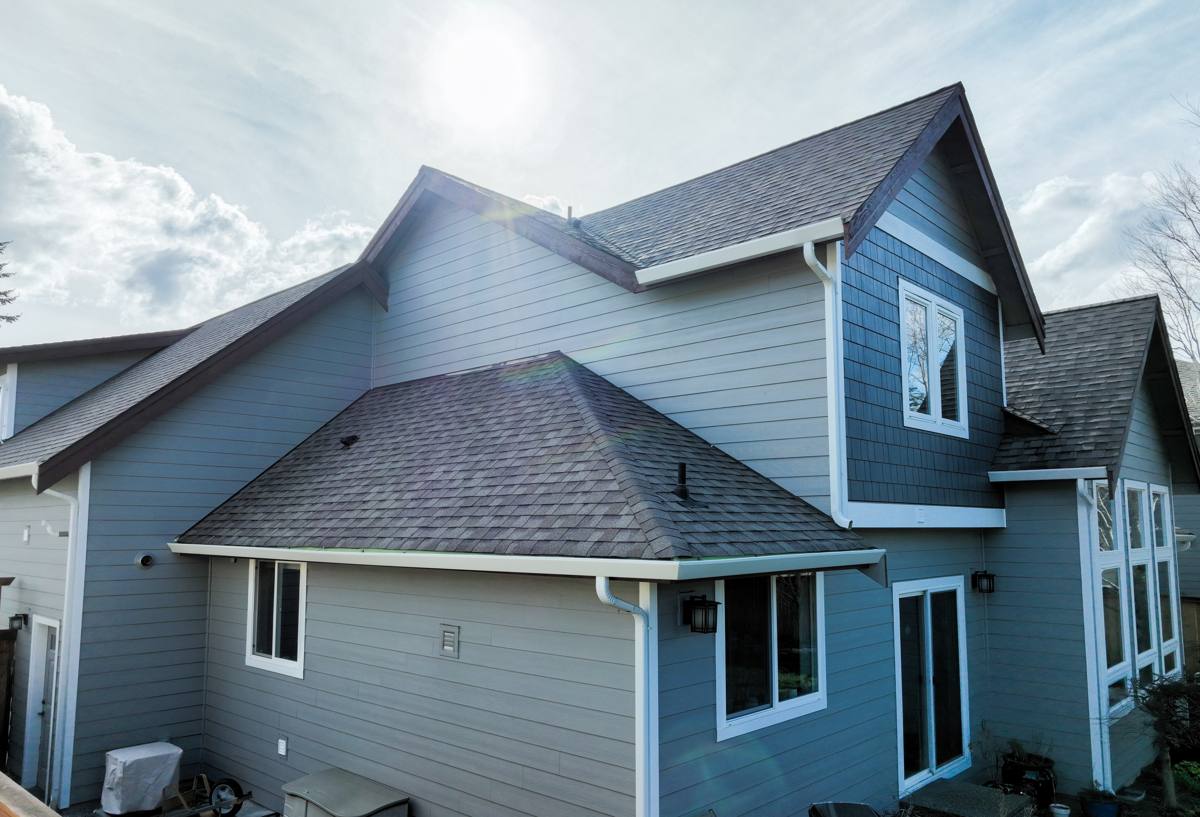
 James Hardie Siding for Valrico Homes
Valrico sits inland from Tampa Bay in Hillsborough County, but "inland" doesn't mean sheltered. Homes here still face the same year-round humidity, intense UV load, and summer storm cycles that hammer the rest of the Tampa metro, plus the occasional hurricane-strength wind event that doesn't care how far you are from the water. Siding in this area has to do more than look good on installation day — it has to hold its paint, its shape, and its seal through a decade or more of Florida weather without babying.
We install James Hardie fiber cement siding exclusively. Not as a sales pitch, but because after years of exterior work in the Tampa Bay area, it's the one product line we're willing to put our name behind for this climate. This page covers what Valrico homes specifically need from their siding, what a correct Hardie installation actually involves, and why our process is built around getting it right the first time.
What Valrico's Climate Does to Siding
Heat and UV
Central Florida gets brutal, direct sun for most of the year. Cheaper siding materials and field-applied paint jobs chalk, fade, and lose adhesion faster here than almost anywhere else in the country. A south- or west-facing wall in Valrico takes a beating that a similar wall in a milder climate never sees.
Humidity and Moisture Cycling
Tampa Bay's humidity doesn't let up. Siding that traps moisture behind it, or that swells and contracts with every wet-dry cycle, is fighting a losing battle. Wood-based and improperly sealed products are especially vulnerable to this kind of slow, hidden damage — the kind you don't see until there's already a problem behind the wall.
Wind and Storm Exposure
Hillsborough County sees tropical storms and occasional hurricane-force wind on a near-annual basis, and wind-driven rain finds every gap in a siding system that wasn't installed to spec. Fastener pattern, flashing, and panel engagement matter more here than in calmer parts of the country — a marginal installation that would hold up in a dry, mild climate can fail here in a single storm season.
Salt-Laden Air
Valrico isn't beachfront, but the broader Tampa Bay region sits close enough to open water that salt-laden air moves inland regularly, especially during onshore flow and tropical weather. Over years, that air accelerates corrosion on fasteners, trim, and anything not rated for a coastal-adjacent environment.
Why We Only Install James Hardie
James Hardie fiber cement is engineered specifically to handle this combination of heat, humidity, and storm exposure. A few reasons it's the product we standardize on for Tampa Bay homes:
- Non-combustible material — fiber cement doesn't burn, rot, or feed termites, all of which matter in a warm, humid climate.
- HZ5 climate engineering — Hardie's HZ product lines are formulated by climate zone, and the HZ5 line is built for the moisture and humidity profile of the Southeast, including the Tampa Bay area.
- ColorPlus factory finish — a baked-on finish applied under controlled conditions holds color and resists UV fade far better than paint applied on-site in the field, which matters enormously under Florida sun.
- Dimensional stability — fiber cement doesn't swell and contract with humidity the way wood-based sidings do, which means fewer cracked seams and less paint failure at the joints over time.
- Strong transferable warranty — backed by a manufacturer with decades of track record, not a startup blend product with a thin history.
We don't install LP SmartSide, vinyl, Cemplank, Allura, or unfinished wood siding. Each of those products has legitimate uses in the right climate or budget, but for the specific combination of heat, humidity, storms, and salt exposure that Valrico deals with, we've made a professional decision to standardize on one system we trust and can warranty with confidence.
What a Correct Installation Actually Involves
Fiber cement siding is only as good as the installation behind it. Hardie's own performance data assumes the product is installed to their published specifications — and a rushed or improvised install is one of the most common reasons homeowners end up with premature paint failure, moisture intrusion, or warranty disputes.
The details that matter most in this climate
- Proper clearance — siding kept at the correct distance from grade, roof lines, and decking so it never sits in standing water or gets wicked by splash-back during heavy rain.
- Correct fastener spacing and type — corrosion-resistant fasteners, driven flush (not overdriven), at the manufacturer's specified pattern, so panels stay secured in high wind without cracking.
- Weather-resistant barrier and flashing — a continuous drainage plane behind the siding, with flashing detailed at every window, door, and penetration, so wind-driven rain has somewhere to go besides your wall sheathing.
- Proper joint and seam treatment — butt joints caulked or flashed per spec, not just butted together and painted over.
- Uncompromised factory finish — cut edges primed and sealed so bare fiber cement is never left exposed to weather.
Skipping any one of these doesn't usually cause an immediate, visible problem — it causes a slow one that shows up two or three years later as staining, buckling, or soft trim. That's exactly the kind of failure a homeowner has no way to catch during a walkthrough, which is why the installer's discipline matters as much as the product itself.
Our Process for Valrico Projects
- On-site assessment — we look at your home's current siding condition, exposure (sun direction, wind exposure, drainage around the foundation), and any trouble spots before we quote anything.
- Tear-off and substrate check — old siding comes off and we inspect the sheathing underneath for hidden moisture damage before anything new goes up. This step gets skipped by installers trying to move fast, and it's the step most likely to save you from a bigger problem later.
- Weather barrier and flashing — a continuous, properly lapped barrier goes on first, with flashing detailed at every opening.
- Hardie panel installation — installed to manufacturer fastener and clearance specs, not shortcuts.
- Trim, caulking, and finish detail — seams sealed, cut edges primed, and everything checked for a clean, tight finish.
- Final walkthrough — we go over the finished work with you before we consider the job done.
Why a Local Tampa Crew Makes a Difference
Siding installation isn't one-size-fits-all across the country, and it isn't even one-size-fits-all across Florida. A crew that works Hillsborough County regularly already knows the wind load and building code requirements that apply here, has already seen how Tampa Bay humidity and storm cycles play out on real homes over multiple seasons, and isn't guessing at fastener schedules or flashing details based on a manual written for a different climate. That local track record is worth more than a low bid from an out-of-area crew passing through after a storm.
Cost Factors for Valrico Siding Projects
Every home is different, but the line items that drive cost on a Valrico siding project are fairly consistent. This isn't a quote — it's a guide to what actually moves the number up or down.
| Factor | Why It Matters |
|---|---|
| Home size and wall complexity | More square footage and more corners, gables, and dormers mean more material and more labor-intensive detail work. |
| Tear-off scope | Full removal of old siding down to sheathing costs more than installing over an already-sound substrate, but it's often the right call given moisture history. |
| Substrate repair | Rotted or moisture-damaged sheathing found during tear-off needs to be replaced before new siding goes on — this is common on older homes and can't always be predicted in advance. |
| Hardie product line | Lap siding, shingle-style panels, and board-and-batten profiles carry different material costs. |
| Trim and accent work | Window trim, fascia, and accent details add labor but make a real difference in final appearance. |
| Color and finish | Factory ColorPlus finishes cost more upfront than primed material painted on-site, but they hold up dramatically better under Florida sun. |
Maintaining Hardie Siding in Valrico
One of the practical advantages of fiber cement in this climate is how little upkeep it needs compared to wood or vinyl, but "low maintenance" doesn't mean "no maintenance." A short annual routine keeps it performing the way it's supposed to:
- Rinse the siding down once or twice a year to clear pollen, dust, and salt residue before it builds up.
- Walk the exterior after major storms and check caulking at seams, trim, and penetrations for cracking or gaps.
- Keep sprinklers and irrigation heads aimed away from the siding — constant wetting at the base of a wall is one of the few things that can shorten fiber cement's lifespan.
- Trim back landscaping so foliage isn't holding moisture against the siding surface.
- Have any impact damage from debris or falling limbs repaired promptly rather than left exposed.
If your Valrico home's siding is aging out, showing storm damage, or you're planning ahead of your next renovation, we're happy to take a look and give you an honest read on what it needs — no pressure, no obligation. Reach out for a free estimate and we'll walk the property with you.