 Tampa Roofing
 New Roof Installation in Valrico: What Local Homes Actually Need
Valrico sits inland from Tampa Bay, but "inland" doesn't mean sheltered. Homes here still take a full year of Gulf Coast weather: hurricane-force wind gusts during storm season, intense UV exposure nearly every day of the year, and wind-driven rain that gets forced sideways under poorly sealed roof edges. Salt-laden air moving inland from the bay adds a slower, quieter problem — corrosion on exposed metal fasteners, flashing, and roof vents that homeowners further from the coast don't have to think about as much. A new roof installation in this part of Hillsborough County isn't just about covering the house. It's about building an assembly that can absorb all four of those stresses at once, year after year, without babying the homeowner with constant repairs.
A lot of roofing problems we see in Valrico didn't start as bad shingles or bad tile — they started as a roof that was installed correctly for a milder climate but not for this one. Underlayment that's fine in a dry inland state fails here in half the time. Nailing patterns that pass a basic inspection but don't meet Florida's wind-uplift requirements leave a roof vulnerable exactly when it matters most. Getting a new roof done right the first time matters more here than in most parts of the country.
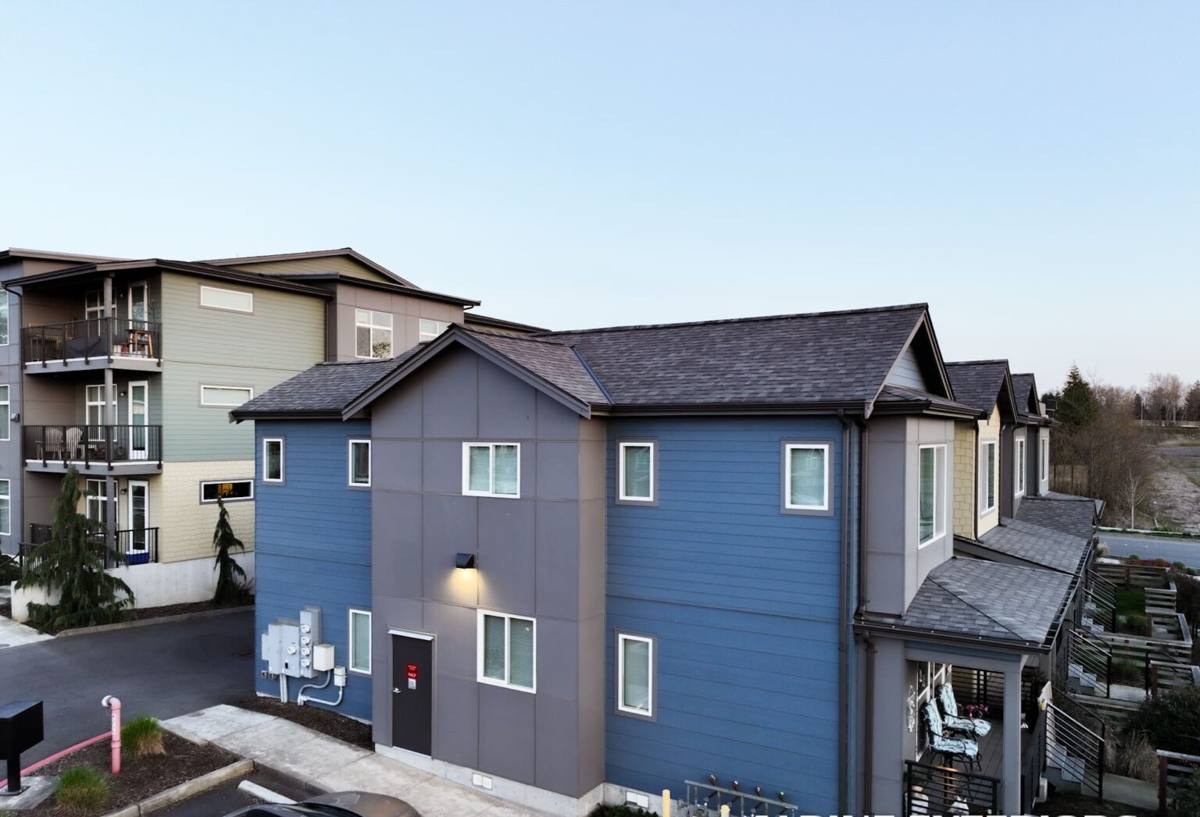
Signs a Valrico Home Needs a New Roof, Not Another Repair
Roof repairs make sense when the damage is isolated and the underlying structure and underlayment are still sound. A full new roof installation becomes the smarter move when the roof is failing broadly rather than in one spot. Common signs include:
- Shingles that are curling, cupping, or losing granules across large sections, not just one area
- Multiple past repairs that haven't stopped leaks from recurring
- Visible daylight or water staining in the attic along the roof deck
- A roof approaching or past its expected service life for its material type
- Soft spots or sagging in the roof deck when walked, which points to moisture damage underneath
- Missing or lifted tiles, or shingles with exposed nail heads from wind lift
If a roof is showing two or more of these at once, patch repairs usually end up costing more over a few years than doing the replacement once and doing it right.
What a Correct New Roof Installation Involves
It Starts Below the Surface
The shingles or tiles are the part everyone sees, but the roofing system underneath is what actually keeps water and wind out. A correct installation includes tear-off down to the deck, an inspection and repair of any damaged decking, a properly lapped underlayment system, sealed penetrations at every pipe, vent, and chimney, and drip edge and flashing details that are installed — not just present, but installed to actually shed water instead of trapping it.
Wind Resistance Is Not Optional Here
Florida's building code sets minimum wind-uplift standards for roofing systems, and Hillsborough County enforces them through permitting and inspection. That means nailing patterns, fastener counts, and underlayment type aren't just preferences — they're code minimums built specifically because storms like the ones that reach Valrico are expected, not hypothetical. A roof installed to code, with the manufacturer's high-wind installation instructions actually followed, performs very differently in a strong gust than one installed to a lighter, minimum-effort standard.
Ventilation Gets Overlooked and Shouldn't
Attic ventilation affects how long a new roof lasts. Poor airflow traps heat and moisture under the deck, which shortens shingle life from the underside even while the top surface still looks fine, and it makes summer cooling costs worse. Every new roof installation we do includes a look at intake and exhaust ventilation, not just the roofing material on top.
Roofing Material Options for Valrico Homes
There's no single "best" roofing material — the right choice depends on the home's structure, the homeowner's budget, and how long they plan to stay in the house. Here's how the common options compare for this climate:
| Material | Typical Lifespan | Wind/Storm Performance | Maintenance |
|---|---|---|---|
| Architectural asphalt shingle | 20–30 years | Good, when rated and installed for high-wind zones | Low; periodic inspection |
| 3-tab asphalt shingle | 15–20 years | Lower wind rating than architectural shingles | Low, but shorter service life |
| Concrete or clay tile | 40–50+ years | Very good when tiles are properly fastened and sealed | Occasional tile replacement after impact |
| Standing seam metal | 40–50+ years | Excellent wind and wind-driven rain resistance | Low; watch fastener condition near the coast |
For homes closer to the bay side of the county, we tend to steer conversations toward materials and fastener types with better corrosion resistance, given the salt air. Further inland in Valrico that's less of a factor, though it's still worth discussing if the home is exposed to open wind.
Our Installation Process, Step by Step
- On-site inspection. We walk the roof and the attic, check the deck condition, ventilation, and flashing points, and take measurements.
- Written estimate. A clear breakdown of material, labor, and any deck repair contingencies — no vague allowances that turn into surprise change orders.
- Permitting. We pull the required Hillsborough County roofing permit before work begins. This isn't optional paperwork; it's what triggers the inspections that confirm the roof meets code.
- Tear-off and deck inspection. Old roofing comes off down to the deck so we can actually see what we're building on, not guess at it.
- Deck repair as needed. Any soft, rotted, or delaminated decking gets replaced before anything new goes down.
- Underlayment and flashing. Installed to manufacturer spec and Florida's high-wind requirements, with careful attention to valleys, penetrations, and edges.
- Roofing material installation. Shingles, tile, or metal installed with the fastening pattern the material and wind zone require.
- Final inspection and walkthrough. County inspection where required, plus our own final walkthrough with the homeowner before we call the job done.
Permits, Inspections, and Wind Mitigation
Every new roof installation in unincorporated Hillsborough County requires a permit, and that permit process exists for the homeowner's benefit as much as anyone's — it's an independent check that the roof was actually built to the standard the code requires, not just to the standard a crew felt like using. Skipping or shortcutting this process is a red flag for any contractor, no matter how good the finished roof looks from the ground.
A new roof is also usually the right time to get a wind mitigation inspection done. That inspection documents features like the roof-to-wall connection, roof shape, and secondary water barrier, which can lower homeowners insurance premiums. It's a separate step from the roofing permit, but it's worth doing while the roof is freshly installed and everything is easy to verify.
Cost Factors for a New Roof in Valrico
Exact pricing depends on the specific home, but the main variables that move the number are consistent across most jobs:
| Factor | Why It Matters |
|---|---|
| Roof size and pitch | More surface area and steeper pitches mean more material and labor time |
| Material choice | Asphalt shingle, tile, and metal have significantly different material and installation costs |
| Deck condition | Rotted or damaged decking found during tear-off adds repair cost that can't always be predicted upfront |
| Roof complexity | Multiple valleys, dormers, and penetrations take more time and flashing detail than a simple roof plane |
| Number of layers to remove | Tear-off of multiple existing layers adds labor and disposal cost |
Generally, a straightforward asphalt shingle replacement runs at the lower end of the cost range, while tile and standing seam metal cost more upfront but last considerably longer. We give homeowners the real number after seeing the roof in person — anyone quoting a firm price over the phone without an inspection is guessing.
What to Ask Before You Sign a Roofing Contract
Valrico has plenty of roofing options, including out-of-town crews that show up after storms and leave once the work slows down. Before signing with anyone, it's worth confirming a few basics:
- Are they licensed to do roofing work in Florida, and can they show proof?
- Do they carry liability insurance and workers' compensation coverage?
- Will they pull the required county permit themselves, in writing?
- Is the estimate itemized, or is it a single vague lump sum?
- Do they have an established local presence, or a P.O. box and an out-of-state phone number?
- What's the manufacturer's warranty, and what's covered under the installer's own workmanship warranty?
None of these questions should make a legitimate contractor uncomfortable. If they do, that's useful information on its own.
Why a Crew That Already Works in Valrico Matters
A roofing crew that regularly works Valrico and the surrounding Hillsborough County area knows the local permitting office's requirements, has a track record with local inspectors, and understands what this specific climate does to a roof over time — not from a training manual, but from having replaced roofs here for years. That familiarity shows up in small decisions throughout the job: which underlayment holds up best against Tampa's humidity and rain patterns, how to detail flashing around common local roof shapes, and how to sequence a job around Florida's afternoon thunderstorm patterns so the deck isn't left exposed longer than necessary.
It also matters after the job is done. A local crew is still local next year, and the year after, if a question comes up or a warranty item needs attention. That's a different relationship than a storm-chasing crew that's moved on to the next state by the time a problem shows up.
Get a Free, No-Pressure Estimate
If your Valrico home's roof is showing its age or storm damage, or you just want an honest read on how much life it has left, we're happy to take a look. The estimate is free, there's no pressure to commit on the spot, and you'll get a straight answer about whether you need a full replacement or just a repair. Fill out the form below to get started.