 Tampa Roofing
 New-Construction Windows Are a Different Job Than Replacement
"New-construction windows" means something specific in this trade, and it's worth being clear about it before anything else. These are windows installed into a rough, unfinished opening — studs or block, house wrap or waterproofing membrane still exposed, no siding or stucco on yet. That's different from a replacement or "pocket" window, which gets inserted into an existing, already-finished opening around an old frame. Valrico has plenty of both situations: new homes going up in growing subdivisions, additions being framed onto older houses, and enclosed lanais or converted garages that need windows built in from scratch. All of those count as new-construction work, and all of them get one shot at being done right before the wall closes around them.
One Shot to Get the Flashing Right
That "one shot" part matters more here than almost anywhere else in the house. Once stucco, siding, or trim goes on over a window, the flashing and sealant underneath it are hidden for good. If water finds a path in around a poorly flashed opening, nobody notices until there's staining, soft drywall, or a musty smell — often a year or two later, after warranty windows have closed and the cost of tracking down the leak has gone way up. A new-construction window installer isn't just setting glass in a hole; they're building the last line of defense against water intrusion into a wall system that will be sealed shut in a matter of days.
What Valrico's Climate Puts New Windows Through
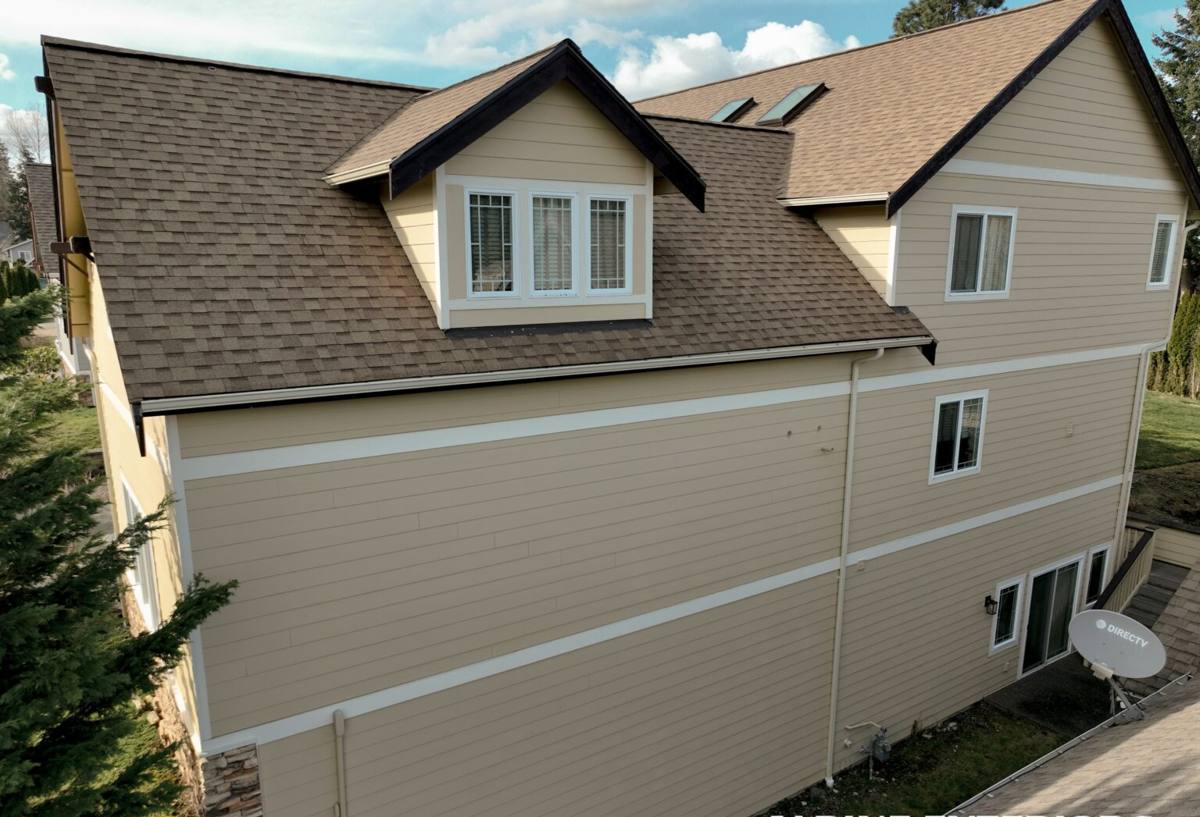
Hillsborough County sits squarely in Florida's hurricane belt, and Valrico's inland location doesn't exempt it from that. Tropical systems and summer thunderstorm outflow both bring wind gusts strong enough to test a window assembly's structural rating, and they usually bring wind-driven rain right along with them — rain that isn't falling straight down but getting pushed sideways into every seam and joint. A window that's watertight in a light shower can still leak in a sideways, wind-driven downpour if the flashing detail underneath it is wrong.
Heat and UV Load
Outside of storm season, the bigger daily stress is heat and sun. Central Florida gets intense, nearly year-round UV exposure, and a window that faces west or south all afternoon takes a real beating — vinyl frames can soften or discolor over time, seals and gaskets dry out and lose flexibility faster, and low-quality glazing sealant chalks and cracks years ahead of schedule. None of that shows up on day one; it shows up five or ten years in, which is exactly why the frame material and glass package chosen at the new-construction stage matter so much.
Wind and Wind-Driven Rain
Even communities well inland from Tampa Bay aren't fully insulated from salt-laden air, which rides in on onshore winds and settles on hardware, fasteners, and exposed metal over time. It's a smaller factor in Valrico than it would be on the beach, but it's one more reason we don't cut corners on fastener and hardware quality just because a home isn't waterfront.
What a Correct New-Construction Window Install Actually Involves
A correct install follows a sequence, and skipping steps or doing them out of order is where most future leaks start.
Flashing and Water Management
The rough opening gets a sloped sill pan first, so any water that ever gets past the window has somewhere to drain instead of sitting on the framing. Self-adhered flashing tape goes up the jambs and across the head in a specific shingle-lap order — bottom to top, each piece overlapping the one below it — so water is always directed outward and down, never into a seam that traps it. On a wood-framed opening, that flashing ties into the house wrap; on the concrete block construction common in a lot of newer Valrico homes, it ties into the wall's waterproofing membrane instead. Getting that transition right, block to window to wrap, is one of the most common places we see it done wrong on jobs we're asked to inspect or repair.
Fastening to the Manufacturer's Tested System
Every window is rated for wind load — its design pressure (DP) rating — based on how it's tested, and that rating only holds if the window is installed using the fastener type, spacing, and anchoring method specified in the manufacturer's approved installation instructions. Swap in the wrong screws, skip anchor points, or space fasteners too far apart, and the window's real-world wind performance can fall well short of its rating, no matter what the label says. Florida's building code also requires that windows carry a documented product approval for the wind zone they're going into, and a correct install keeps that approval intact rather than voiding it with an off-spec installation.
Choosing Windows for a Valrico New Build
Frame material is one of the first real decisions on a new-construction job, and it's worth weighing against how the house will actually be used and which elevation the windows face.
| Frame Material | Heat & UV Performance | Wind/Impact Options | Maintenance | Typical Cost Position |
|---|---|---|---|---|
| Vinyl | Good with UV-stabilized formulations; can soften on relentless west/south exposure over many years | Wide range of DP-rated and impact options available | Low — no painting, won't rust | Entry to mid-range |
| Aluminum | Handles heat well structurally but conducts it, so frames run hotter to the touch | Strong wind performance; common in high-DP applications | Low, but coastal-grade finish matters for corrosion resistance | Mid-range |
| Fiberglass | Very stable in heat and sun; minimal expansion/contraction | Strong wind performance, often available in high-DP configurations | Low | Higher |
Beyond the frame, the glass package matters just as much in this climate — a quality Low-E coating cuts down on solar heat gain on those west-facing afternoon walls, which shows up directly in cooling costs. Whether the openings need to be impact-rated or can use a code-compliant non-impact option with separate protection depends on the home's wind exposure and its specific location within Hillsborough County's wind maps; we work that out per job rather than assuming one answer fits every Valrico address. Costs for a full new-construction window package vary by opening count, size, glass upgrade, and impact rating, so we give real numbers after reviewing the actual plan rather than quoting a blanket price.
Our Process for New-Construction Window Installations
- Review the plans or existing rough openings and confirm the wind load and product approval requirements for the site.
- Order windows to spec, coordinating lead times with the builder's or homeowner's construction schedule so the job isn't holding up other trades.
- Verify each rough opening on site — square, level, properly sized, and dry — before any window goes in.
- Install and flash each unit following the manufacturer's tested method, with sill pans, flashing tape, and sealant integrated into the wall's water management system.
- Check fastening, shimming, and operation on every unit, then walk the job for inspection sign-off where one applies.
- Final walkthrough with whoever we're working for — builder or homeowner — so everything is confirmed before the walls close in around it.
A Practical Checklist Before Installation Day
Whether you're a homeowner overseeing an addition or a builder bringing in a window sub, these are the things worth confirming before installation starts:
- Windows ordered match the DP rating and, where required, the impact rating called for by the plans.
- Rough openings are framed to the exact sizes the windows were ordered for — not "close enough."
- Flashing tape and sealant products are compatible with both the window frame material and the wall's house wrap or waterproofing membrane.
- Fastener type and spacing plan matches the manufacturer's approved installation instructions, not a generic install method.
- Someone is checking each opening for square and moisture before the window goes in, not after a problem shows up.
Common Mistakes We Catch in New-Construction Window Work
Most of the repeat problems we get called out for trace back to a handful of recurring errors: a sill pan skipped or installed flat instead of sloped to drain, flashing tape lapped in the wrong order so water gets steered inward instead of out, fasteners substituted for whatever was on hand instead of what the window's tested assembly calls for, and sealant that isn't compatible with the stucco or trim going on around it, which leads to cracking and separation within a year or two. On paired or mulled window units, we also see gaps at the mullion that get caulked over instead of properly flashed — a fix that looks fine on install day and fails quietly a season or two later.
Why a Crew That Already Works in Valrico Matters
New-construction window work depends on getting a lot of site-specific details right the first time, and that's easier for a crew that already knows the area. We're familiar with how Hillsborough County's permitting and inspection process runs, what wind exposure and product approval requirements typically apply to homes in and around Valrico, and how local builders sequence a job so windows go in at the right point in the schedule — not too early, not holding up stucco or siding. That local footing means fewer surprises, faster scheduling, and a crew that's already seen how this climate treats a window installation five or ten years down the road, not just on the day it goes in.
If you're planning a new build, an addition, or an enclosure in Valrico, we're happy to look at the plans and give you a straight, no-pressure estimate — just fill out the form below to get started.