 Tampa Roofing
 Why Siding Takes a Beating in Valrico
Valrico sits inland from Tampa Bay in Hillsborough County, but "inland" doesn't mean "protected." The same weather systems that batter the coastline still roll through here with plenty of force left in them. Hurricane-strength gusts snap tree limbs and drive debris into exterior walls. Summer thunderstorms push rain sideways against the side of the house that faces the prevailing wind, forcing water into seams and laps that were never meant to hold up under that kind of pressure. And the sun does its own quiet damage every single day of the year — Florida's UV exposure is some of the most intense in the country, and it doesn't take a break in the off-season.
Add in Hillsborough County's humidity, which keeps siding damp longer after every rain than it would be almost anywhere else in the country, and you have a climate that works against siding from every angle: mechanical impact, water intrusion, and material fatigue from constant heat and light. Homes closer to Tampa Bay also pick up some salt-laden air on top of all that, which accelerates corrosion on fasteners and trim. Valrico doesn't get the full brunt of that salt exposure the way waterfront properties do, but the humidity and storm exposure alone are enough to wear siding down faster than most homeowners expect.
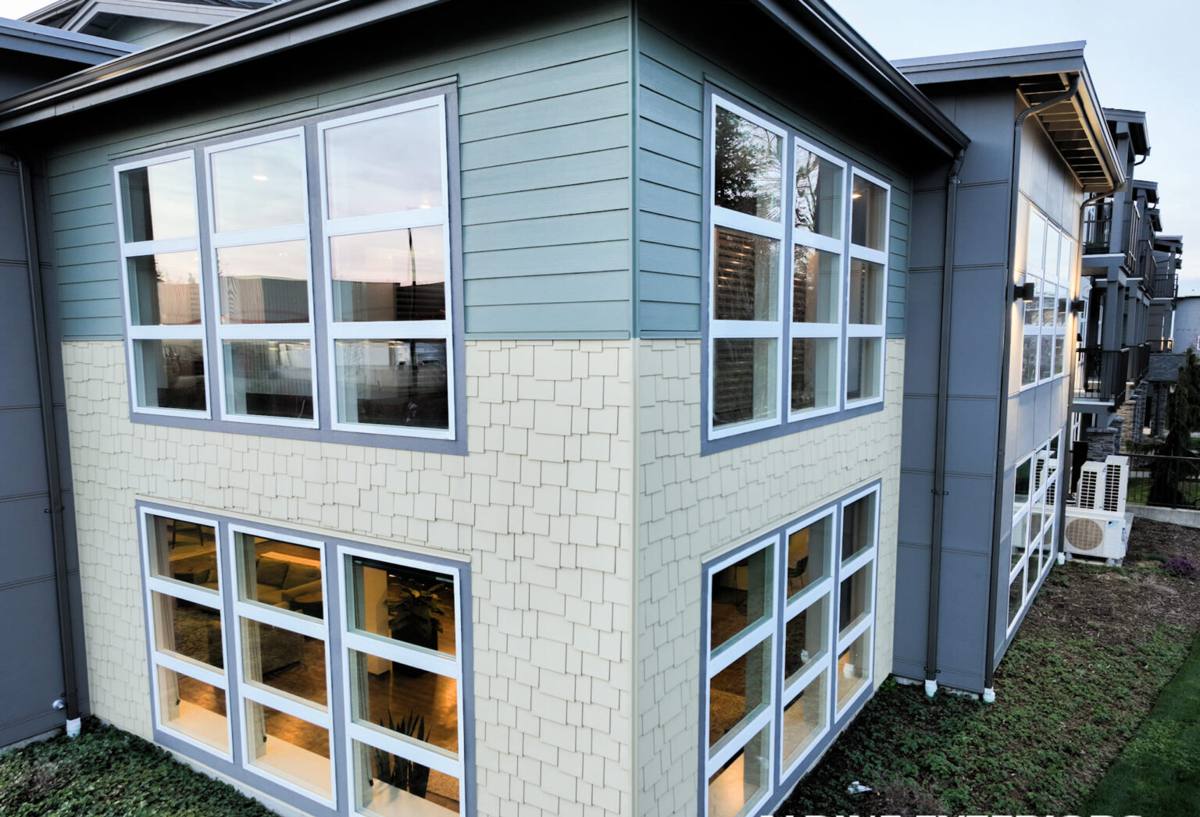
Common Siding Repair Issues We See in Valrico
Most of the repair calls we get in this area fall into a handful of categories. Recognizing which one you're dealing with matters, because the right fix is different for each.
Wind and Impact Damage
Flying debris — branches, loose gutters, even patio furniture during a bad storm — cracks or punctures siding panels. Wind uplift can also pry panels loose at the edges, especially on gable ends and upper stories where gusts hit hardest.
Moisture Intrusion Behind the Siding
This is the damage you don't see until it's serious. Water that gets behind siding through a failed seam, a gap at a window or door trim, or a compromised house wrap can sit against the sheathing for months before it shows up as a soft spot, a stain, or a musty smell inside. By the time it's visible, there's often already rot in the framing behind it.
UV Fading, Chalking, and Cracking
Constant sun exposure breaks down paint and, on some materials, the substrate itself. You'll see this as color that's noticeably lighter than when it was installed, a chalky residue on your hand when you wipe the surface, or fine surface cracking that eventually lets water in.
Nail Pops and Seam Failures
Florida's heat cycles — hot days, cooler nights, constant expansion and contraction — work fasteners loose over time. Popped nails and opening seams aren't just cosmetic; they're an open door for water.
Repair vs. Replace: How We Make the Call
Not every problem needs a full re-side, and we're not going to tell you it does. But a repair that's done without checking what's happening underneath the surface can end up masking a bigger issue. Here's generally how we think about it:
| Situation | Repair Usually Makes Sense | Replacement Usually Makes Sense |
|---|---|---|
| Damage extent | Isolated to one or two panels or a small section | Spread across multiple walls or elevations |
| Underlying material | Sheathing and framing are dry and sound | Rot or moisture damage found behind the siding |
| Age and material type | Siding is relatively young and still performing well overall | Siding is at or past its expected service life, or is a material with known long-term durability trade-offs |
| Color and profile match | Matching material is available and the repair won't stand out | Discontinued product or significant, visible fading elsewhere on the house |
| Root cause | A one-time event (storm impact, isolated fastener failure) | An ongoing pattern (recurring moisture, chronic UV degradation) |
We'll always give you an honest answer here. If a patch will hold and save you money, that's what we'll recommend. If the damage is a symptom of something bigger, we'll explain exactly what we found and why.
What a Correct Siding Repair Actually Involves
A repair that's done right is more than swapping out a broken piece for a new one. It starts with removing enough surrounding material to actually see what's going on underneath — not just patching over the visible crack.
- Remove the damaged section and enough of the surrounding panels to expose the water-resistive barrier and sheathing.
- Check for soft spots, discoloration, or moisture readings that indicate rot or trapped water.
- Repair or replace any compromised house wrap, flashing, or sheathing before new siding goes back on — covering a wet substrate with new material just delays the problem.
- Re-flash windows, doors, and penetrations in the repair area so water is directed out, not in.
- Install matching siding material with correct fastener placement, proper overlap, and the manufacturer's specified gaps for expansion.
- Seal and finish so the repair blends with the surrounding wall rather than standing out as an obvious patch.
Skipping the inspection step is the single most common shortcut in siding repair — and it's the one that costs homeowners the most down the road, because the same failure point just reopens under the new material.
Our Process for Valrico Homeowners
When you call us for a siding repair in Valrico, here's what to expect:
1. On-Site Assessment
We come out, look at the visible damage, and check the areas around it — corners, trim, window and door edges — since damage rarely stays contained to just the spot you noticed.
2. Moisture Check
Where there's any reason to suspect water has gotten behind the siding, we check it before quoting the job. A repair quote that skips this step is a guess, not an assessment.
3. Clear, Honest Scope
You get a straightforward explanation of what needs to happen, what it will cost, and why — including whether we think a repair is the right call or whether you're better served by replacing a larger section.
4. The Work
We do the repair to the standard described above: proper tear-out, barrier and flashing repair where needed, correct reinstallation, and a finish that matches the rest of the home.
5. Walkthrough
We show you what we found and what we did before we consider the job finished.
Why We Only Install James Hardie — and What That Means for Repairs
We stand behind one siding system: James Hardie fiber cement. We don't install vinyl, LP SmartSide, Cemplank, Allura, or primed wood siding, and that standard shapes how we approach repair work too. When we're patching a section of an existing home, we'll match what's there if the repair makes sense on its own terms. But when damage is extensive enough that replacement is the better call — or when the existing material is showing the kind of chronic issues that come with engineered wood or vinyl products in Florida's climate — our recommendation is James Hardie.
Fiber cement doesn't absorb water the way engineered wood products can, so it isn't prone to the swelling and edge deterioration that shows up on wood-based siding after years of Florida humidity. It's non-combustible, which vinyl and wood siding are not. And James Hardie's ColorPlus factory finish is baked on and warrantied against fading, which matters enormously in a market with this much year-round sun. We're not going to tell you every repair needs to become a full Hardie install — most don't. But when the conversation does turn to replacement, that's the material we put our name behind.
Signs Your Valrico Home Needs a Siding Repair Inspection
- Visible cracks, holes, or missing sections after a storm
- Panels that feel soft, spongy, or flex when pressed
- Peeling paint or bubbling that keeps coming back in the same spot
- A musty or damp smell along an exterior wall inside the house
- Streaking, staining, or discoloration below seams or trim
- Visible gaps or separation at seams, corners, or window and door trim
- Popped nails or fasteners backing out of the panel
- Siding that's noticeably more faded or chalky than the rest of the house
What Affects the Cost of a Siding Repair
| Factor | Why It Matters |
|---|---|
| Extent of visible damage | More panels affected means more material and labor |
| Hidden moisture or rot | Sheathing or framing repair adds cost but is not optional if found |
| Material match availability | Discontinued colors or profiles may require a larger repair area to blend |
| Accessibility | Second-story or hard-to-reach sections take more time and equipment |
| Underlying cause | A one-time storm event is simpler to resolve than a chronic moisture source |
We give firm, written quotes after we've actually looked at the damage — not ballpark numbers over the phone, since two repairs that look identical from the street can be very different jobs once you open the wall.
Why It Matters That We Already Work in Valrico
A crew that works this part of Hillsborough County regularly knows what to expect before they get on site. We know how fast humidity turns a small leak into a rot problem, how hard the sun is on unprotected trim, and what kind of storm damage shows up here after a hurricane season pushes through. We're also familiar with Hillsborough County permitting requirements, which keeps a repair project moving instead of stalling out on paperwork. That local familiarity is the difference between a contractor who's guessing and one who's seen this exact situation on this exact type of home before.
If you've got storm damage, a soft spot you're not sure about, or siding that's just showing its age, we're happy to take a look. Reach out for a free, no-pressure estimate — we'll tell you honestly what we find and what we'd recommend, whether that's a straightforward repair or something more.