 Tampa Roofing
 Board & Batten Siding in Valrico: Built for This Climate, Not Just This Look
Valrico homeowners tend to gravitate toward board and batten for the same reason people have used it for a century: it reads as sturdy, classic, and a little more custom than flat lap siding. But in this part of Hillsborough County, board and batten is doing more than shaping curb appeal. It's standing up to long stretches of intense sun, sudden downpours that come in sideways on summer thunderstorms, and the occasional direct hit from tropical systems moving up from the Gulf. A board and batten installation that looks great on day one but wasn't detailed for this climate will show it within a few years — cupping boards, failed caulk lines, and moisture creeping in behind the battens.
This page is about doing board and batten the right way for a Valrico property specifically: what the local climate demands, what a correct installation actually involves, and why the crew matters as much as the material.
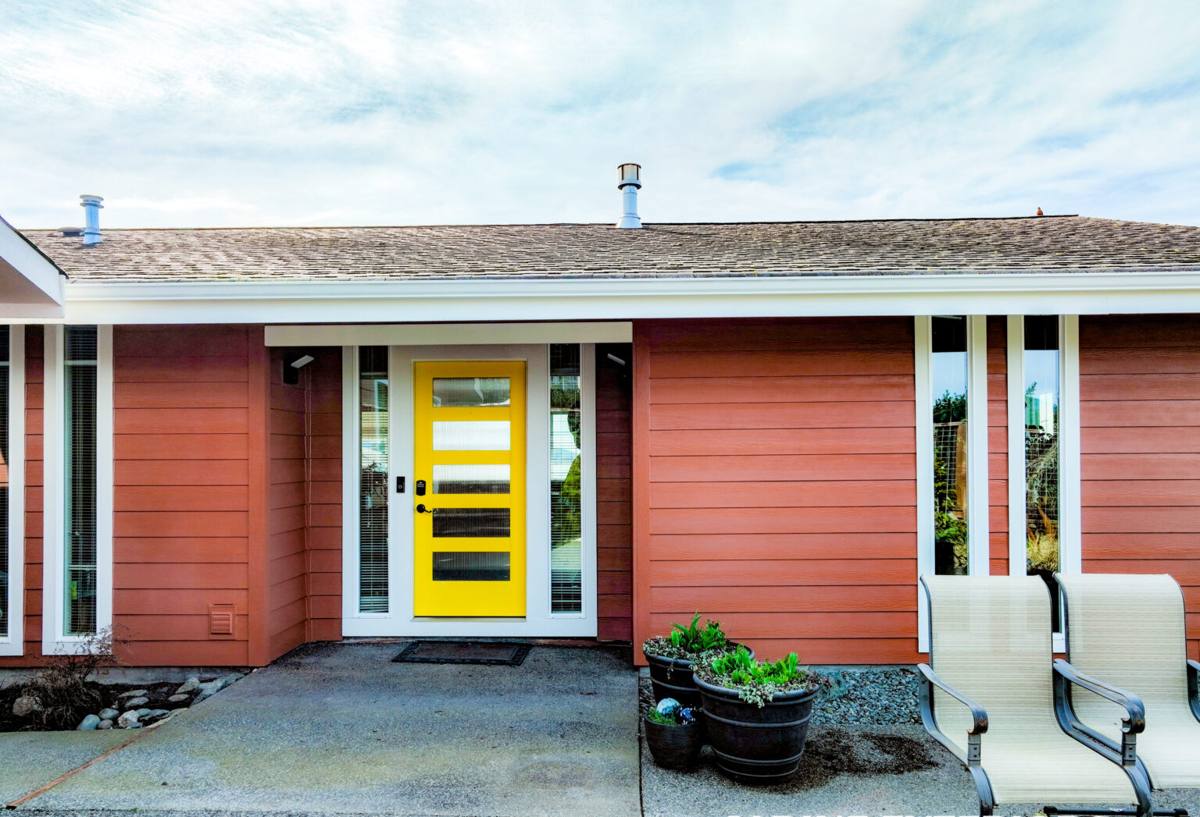
Why Valrico's Climate Is Hard on Vertical Siding
Board and batten is a vertical siding profile, which changes how weather interacts with it compared to horizontal lap siding. Water doesn't run off the same way, seams are oriented differently, and the batten strips create hundreds of linear feet of additional joints and fastener points on a typical home. In Valrico's climate, that adds up to a few specific stress points.
Heat and UV Exposure
Central Florida sun is intense and consistent almost year-round. Siding materials that aren't engineered for UV stability will fade unevenly, chalk, or become brittle over time — especially on south- and west-facing walls that take the most direct exposure through the afternoon. Paint-grade wood-look products are particularly vulnerable here, since UV breaks down surface coatings faster than most manufacturers' warranties account for.
Wind-Driven Rain
Hillsborough County sees frequent summer storms and, in a bad season, tropical systems that push rain horizontally into wall assemblies rather than letting it fall straight down and shed. Vertical board and batten has a lot of joints where wind-driven rain can find its way behind the cladding if the flashing, house wrap, and caulking details weren't handled correctly. This is the single biggest failure point we see on poorly installed vertical siding in this area.
Humidity and Moisture Cycling
Florida's humidity means siding materials are almost never fully dry. Products that absorb moisture — untreated or poorly sealed wood, some composite boards — swell, then dry out, then swell again. Over years, that cycling telegraphs through paint, opens up seams, and eventually leads to rot at the most vulnerable spots: bottom edges, corners, and anywhere two pieces meet.
Salt Air Influence
Valrico sits inland from Tampa Bay, but the broader region still deals with salt-laden air moving off the Gulf and the Bay, especially during onshore wind events. Salt exposure accelerates corrosion on fasteners and hardware and can degrade lower-quality finishes faster than manufacturers' published life expectancy suggests. It's a slower, quieter threat than a storm, but it adds up over a decade of exposure.
What a Correct Board & Batten Job Actually Involves
Board and batten looks simple — vertical boards, battens covering the seams — but the installation sequence is what determines whether it lasts 10 years or 40. Here's what should happen on a Valrico home, in order.
- Substrate inspection. Before any new siding goes up, the existing wall sheathing gets checked for rot, water damage, or soft spots — especially around window and door openings, which are the most common places for hidden moisture damage to hide.
- Weather-resistive barrier. A properly lapped and sealed house wrap goes on first. This is the layer that actually keeps bulk water out if anything gets past the siding itself — it matters more in a climate like ours than in drier regions.
- Flashing at every penetration. Windows, doors, hose bibs, light fixtures, vents — anywhere something breaks the plane of the wall needs proper flashing integrated with the house wrap, not just caulk applied after the fact.
- Board installation with correct fastening. Boards need to be fastened per the manufacturer's specified pattern and spacing, accounting for expansion and contraction. Corrosion-resistant fasteners matter here given the salt air exposure noted above.
- Batten placement and sealing. Battens cover the board seams and need consistent spacing, correct fastener placement (avoiding the underlying board seam directly), and factory-matched or manufacturer-approved sealant at any point where sealant is actually required.
- Trim and transition detailing. Where board and batten meets soffits, corners, or a different siding profile, these transitions are common leak points if not detailed with the right flashing and clearances.
- Clearance from grade and hard surfaces. Siding installed too close to soil, mulch beds, or concrete patios wicks moisture and invites pest activity. Proper clearance is a small detail that prevents a big long-term problem.
Why We Install James Hardie — Not Vinyl, Wood, or Composite Alternatives
We get asked fairly often about vinyl board and batten, engineered wood options like LP SmartSide, or cement-fiber alternatives to Hardie. Here's our honest position: we only install James Hardie fiber cement siding, and it's a deliberate standard, not a sales preference.
Why Not Vinyl
Vinyl board and batten is inexpensive and easy to install, and for some budgets and some markets, that's a reasonable trade-off. In Valrico's climate, though, vinyl softens and can warp under sustained high heat, and it's more vulnerable to cracking on impact — a real consideration during storm season when wind-borne debris is a factor. It also can't be painted to refresh a faded color the way fiber cement can.
Why Not Wood or Engineered Wood
Real wood board and batten has genuine charm, but it demands a maintenance commitment — repainting, sealing, and monitoring for rot — that most homeowners don't want to sign up for in a humid climate. Engineered wood products like LP SmartSide have improved moisture resistance over older wood composites, but they're still wood-based at the core, which means they're more sensitive to sustained moisture exposure than a fiber cement product, and installation details matter enormously to keeping manufacturer warranties intact.
Why Hardie
James Hardie fiber cement is non-combustible, dimensionally stable across Florida's heat and humidity swings, and doesn't feed pests the way wood-based products can. Hardie's ColorPlus factory-applied finish is baked on under controlled conditions and holds color significantly better than field-applied paint exposed to constant UV. Hardie also engineers specific product lines (their HZ5 designation) for climates like ours, and backs the product with a strong transferable warranty — provided it's installed to their published specifications, which is exactly where installation quality becomes the deciding factor in how the product performs over time.
| Material | Heat/UV Behavior | Moisture Resilience | Maintenance | Storm Resistance |
|---|---|---|---|---|
| Vinyl board and batten | Can soften, warp under sustained heat | Good (non-absorbent) but seams vulnerable | Low, but fades and can't be repainted | Cracks on impact |
| Real wood | Fades, requires repainting | Poor without diligent upkeep | High — recurring paint/seal | Vulnerable to rot after storm moisture |
| Engineered wood (LP SmartSide type) | Improved over old wood composites | Moderate — installation-dependent | Moderate | Installation-sensitive |
| James Hardie fiber cement | Factory finish holds up to UV | Strong, dimensionally stable | Low — no repainting needed for years | Non-combustible, impact-resistant |
Our Process for Valrico Board & Batten Projects
Every project runs the same disciplined sequence, whether it's a full re-side or a board and batten accent on gables and entryways.
1. On-Site Assessment
We walk the property, evaluate the existing wall condition, check for prior moisture damage, and talk through where board and batten makes sense architecturally — full elevations, gables, or accent areas.
2. Detailed, Written Estimate
You get a clear scope of work and pricing before anything is scheduled — no vague allowances, no surprise change orders for work that should have been anticipated up front.
3. Proper Prep and Tear-Off
Old siding comes off cleanly, sheathing gets inspected and repaired as needed, and the wall is prepped correctly before the new weather barrier goes on.
4. Installation to Manufacturer Spec
Fastening patterns, flashing details, and clearances follow James Hardie's published installation guidelines — the same guidelines that keep the manufacturer's warranty valid.
5. Final Walkthrough
We go through the finished work with you, point-by-point, before calling the job complete.
Why Local Experience in Valrico Matters
Hillsborough County's building requirements, common house styles, and typical construction-era quirks aren't identical to every Florida market. A crew that already works this specific area has a feel for what tends to hide behind older siding here, how local wind exposure and rain patterns actually behave on different lot orientations, and what inspectors and permitting expect. That local pattern recognition shows up in fewer surprises mid-project and a finished product that's actually built for the conditions it has to survive, not just for a showroom sample.
Signs Your Current Siding May Need Attention
- Visible cupping, warping, or separation in board seams
- Soft spots or give when pressing on siding near the bottom edge or around windows
- Peeling or bubbling paint, especially on sun-exposed walls
- Staining or streaking that suggests water is tracking behind the siding rather than off of it
- Gaps opening up at trim, corners, or batten joints
- Visible fastener corrosion or rust streaking down the siding face
- Increased pest activity around the base of exterior walls
What Affects Cost on a Valrico Board & Batten Project
| Factor | Why It Matters |
|---|---|
| Scope (full re-side vs. accent areas) | Full elevations require more material and labor than gable or entry accents |
| Substrate condition | Rot or water damage found during tear-off adds repair work before new siding goes up |
| Home height and access | Multi-story sections and difficult access increase labor time and equipment needs |
| Trim and transition complexity | Homes with more corners, dormers, and roofline transitions need more detail work |
| Color and finish selection | Factory ColorPlus finishes vary by product line and color selection |
If you're weighing board and batten siding for a Valrico home, we're glad to walk the property, answer questions honestly, and put together a clear, no-pressure estimate — use the form below to get started.