 Tampa Roofing
 What Valrico's Climate Actually Does to a Roof
Valrico sits inland from Tampa Bay in Hillsborough County, which spares it some of the direct salt exposure that coastal neighborhoods deal with, but it does not spare it from the rest of Florida's weather. Summers bring months of intense, near-daily UV exposure that breaks down roofing materials from the outside in. Afternoon storms roll through with wind-driven rain that finds every weak seam and fastener. And when a tropical system or hurricane tracks through the region, Valrico gets the same sustained winds and gusts that make Florida's building code among the strictest in the country.
A roof here isn't just shedding water — it's absorbing thermal cycling, UV degradation, and wind uplift stress, year after year. Asphalt shingles wear down under that combination faster than most homeowners expect. Metal roofing, installed correctly, is built to handle exactly this kind of punishment, which is why it's become one of the most requested upgrades we see from Valrico homeowners.
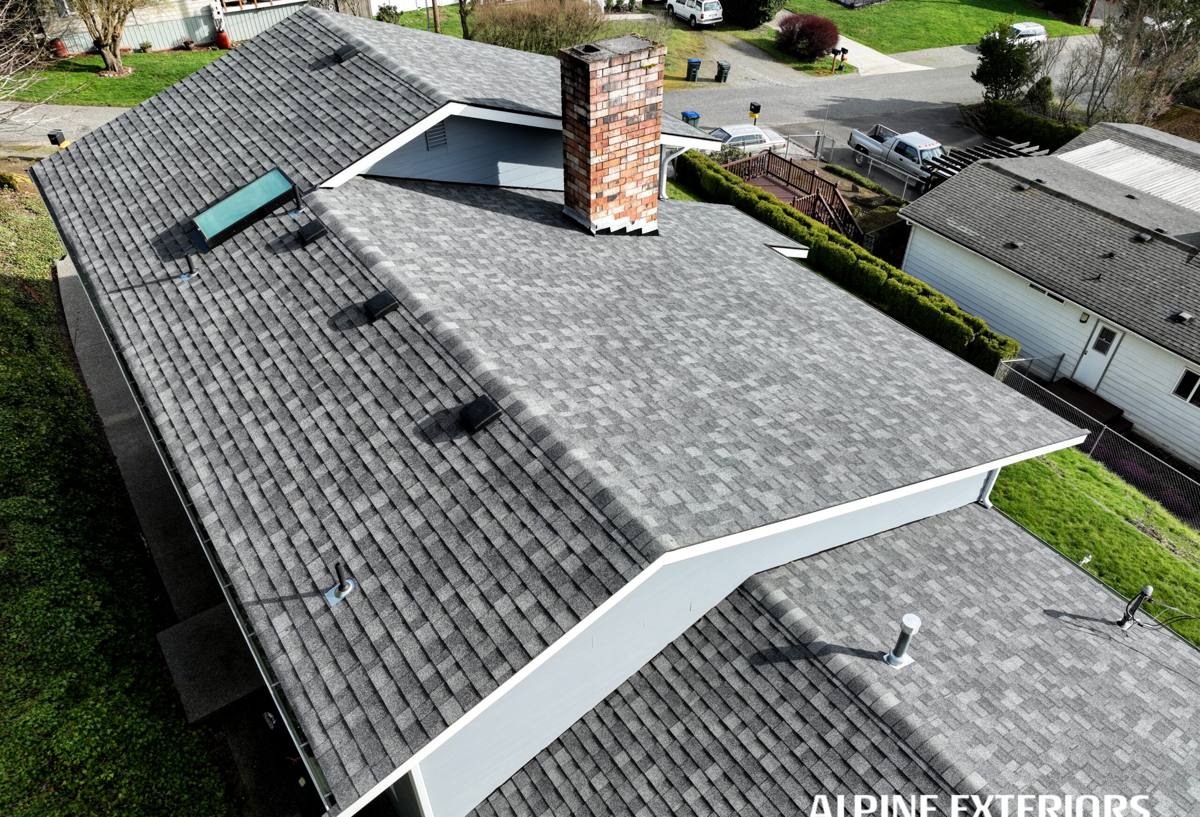
Why Metal Roofing Makes Sense for This Area
Metal isn't the right material for every homeowner or every budget, but for Valrico's climate specifically, it has real advantages worth understanding before you decide:
- Wind performance: Properly fastened standing seam and metal shingle systems carry high wind-uplift ratings and hold up well against the gusts that come with Florida's storm season.
- UV resistance: Quality metal roofing coatings are engineered to resist fading and breakdown under sustained Florida sun far longer than asphalt granules.
- Water shedding: Metal panels shed wind-driven rain quickly, with far fewer seams and laps than shingles for water to work its way under.
- Longevity: A correctly installed metal roof can outlast two or three shingle roof cycles, which matters for homeowners planning to stay put for the long haul.
- Heat reflectivity: Lighter-colored and specially coated metal panels reflect more solar heat than dark asphalt shingles, which can ease the load on attic temperatures and cooling costs during Hillsborough County's long summers.
None of that means metal is maintenance-free or automatically the right call for every home — we'll walk you through the honest trade-offs, including upfront cost, during a real inspection.
What a Correct Metal Roof Installation Actually Involves
Metal roofing has a reputation for being "put it on and forget it," but that reputation only holds when the installation is done right. A metal roof is a system, not just a layer of panels, and every part of that system matters for how it performs against Valrico's wind and rain.
Deck Preparation
We start with the roof deck itself. Any soft, rotted, or delaminated sheathing gets replaced before a single panel goes down — metal fastened over a compromised deck will loosen and leak regardless of how good the panels are.
Underlayment
A high-temperature, self-adhering underlayment goes down next. This layer is the roof's real waterproofing backbone; the metal panels above it are the first line of defense, but the underlayment is what keeps wind-driven rain out if water ever gets past a seam or fastener during a hard storm.
Fastening and Panel Layout
How panels are fastened — and how often — is where a lot of wind-uplift failures actually start. We follow fastening patterns and clip spacing rated for Florida's wind zones, not generic manufacturer minimums, and we lay panels to shed water toward the slope correctly at every valley, hip, and ridge.
Flashing and Penetrations
Every place something breaks the roof plane — chimneys, vents, skylights, pipe boots — is a potential leak point. Custom-formed flashing at these details, rather than generic stock pieces, is what separates a metal roof that stays dry for decades from one that leaks within a few seasons.
Panel Types We Install: A Comparison
Not all metal roofing looks or performs the same. Here's how the systems we install compare for a typical Valrico home:
| Panel Type | Appearance | Best For | Relative Cost |
|---|---|---|---|
| Standing Seam | Clean vertical lines, concealed fasteners | Maximum wind and water performance, modern or traditional homes | Higher |
| Metal Shingles/Tiles | Mimics shingle, shake, or tile profiles | Homeowners who want a traditional look with metal durability | Mid-to-higher |
| Exposed-Fastener Panels | Ribbed, visible screws | Budget-conscious upgrades, outbuildings, secondary structures | Lower |
Exposed-fastener panels cost less up front but require ongoing attention — the fastener gaskets are a wear point that needs periodic inspection, especially under Valrico's UV load. Standing seam avoids that maintenance item entirely by hiding fasteners under the seam itself, which is part of why we recommend it for most full roof replacements.
Our Process, Start to Finish
1. Inspection and Honest Assessment
We walk the roof, check the deck condition where accessible, and talk through what your current roof is telling us — age, storm history, any past repairs — before recommending anything.
2. Straightforward Estimate
You get a written estimate that spells out panel type, underlayment, flashing details, and timeline, so there's no ambiguity about what you're paying for.
3. Permitting
Hillsborough County requires permits and inspections for roof replacements, and wind-uplift and fastening specs are checked against current Florida Building Code requirements. We handle that process rather than leaving it on you.
4. Installation
Deck repair, underlayment, panel installation, and flashing work happen in sequence, with daily cleanup so your property isn't left with exposed materials overnight longer than necessary.
5. Final Walkthrough
Before we call the job done, we walk the finished roof with you, review the work, and make sure the site is cleaned up — magnetic sweep for stray fasteners included.
What Affects the Cost of a Metal Roof
Metal roofing costs more up front than asphalt shingles, and the final number depends on several factors specific to your home:
| Factor | Why It Matters |
|---|---|
| Panel type | Standing seam runs higher than exposed-fastener panels due to material and labor |
| Roof pitch and complexity | Steep slopes, multiple valleys, and dormers add labor time and material waste |
| Deck condition | Rotted or damaged sheathing found during tear-off adds repair cost |
| Underlayment grade | High-temperature, self-adhering underlayment costs more than basic felt but performs far better here |
| Tear-off vs. overlay | Full tear-off of old roofing typically costs more than roofing over an existing layer, where code allows it |
We won't quote a number without seeing the roof — anyone who does is guessing, and that guess tends to change once work starts.
Maintaining a Metal Roof in Hillsborough County
Metal roofing needs less upkeep than shingles, but "less" doesn't mean "none." A simple annual routine keeps a metal roof performing the way it's supposed to:
- Clear leaves and debris from valleys and around penetrations after storm season
- Check exposed fasteners (if that's your panel type) for loosening or gasket wear
- Look at sealant around flashing points for cracking, especially after a hard freeze-thaw or intense summer
- Confirm gutters and downspouts are draining freely so water isn't backing up under the drip edge
- Schedule a professional inspection after any named storm that produces sustained high winds
Why Hiring a Crew That Already Works in Valrico Matters
Metal roofing installation is unforgiving of shortcuts, and a crew that hasn't worked much in this specific market can miss things that matter here. Fastening patterns rated for a milder climate zone won't meet Hillsborough County's wind requirements. Flashing details that work fine somewhere with less intense sun degrade faster under Florida UV if the wrong sealant or material is used. And permitting delays are common when a contractor isn't already familiar with the local inspection process.
We work in this area regularly, which means we know what Hillsborough County inspectors look for, what fastening and underlayment specs hold up against local storm patterns, and how to sequence a job so your home isn't sitting exposed longer than it needs to be.
Signs It's Time to Talk About a New Roof
Not every roof problem means a full replacement, but a few signs are worth a professional look sooner rather than later: visible rust or corrosion on metal flashing, granule loss and curling on an aging shingle roof, soft spots when walking the roof deck, water stains on interior ceilings, or a roof that's simply reaching the end of its rated lifespan. Catching these early is almost always cheaper than waiting for a leak to show up inside the house.
If you're weighing a metal roof for your Valrico home, we're happy to take a look and give you a straight answer about what your roof needs — no pressure, no upsell. Use the form below to request a free estimate.