 Tampa Roofing
 Roof Repair Built for Valrico's Climate
Valrico sits inland from Tampa Bay in Hillsborough County, but "inland" doesn't mean sheltered. Homes here still take the full brunt of Florida's roofing stressors: hurricane-force wind gusts during named storms, intense year-round UV that bakes shingles and tile underlayment, wind-driven rain that finds every gap in flashing, and humidity that keeps roof decks damp longer than most homeowners realize. A roof that looks fine from the driveway can be hiding real problems underneath, and a repair that isn't done to match Florida's building code and climate realities tends to fail again within a season or two.
We repair roofs in Valrico regularly, which means we already know what tends to go wrong on the roof types common in this part of Hillsborough County, and we know how to fix it so it stays fixed — not just patched until the next storm.
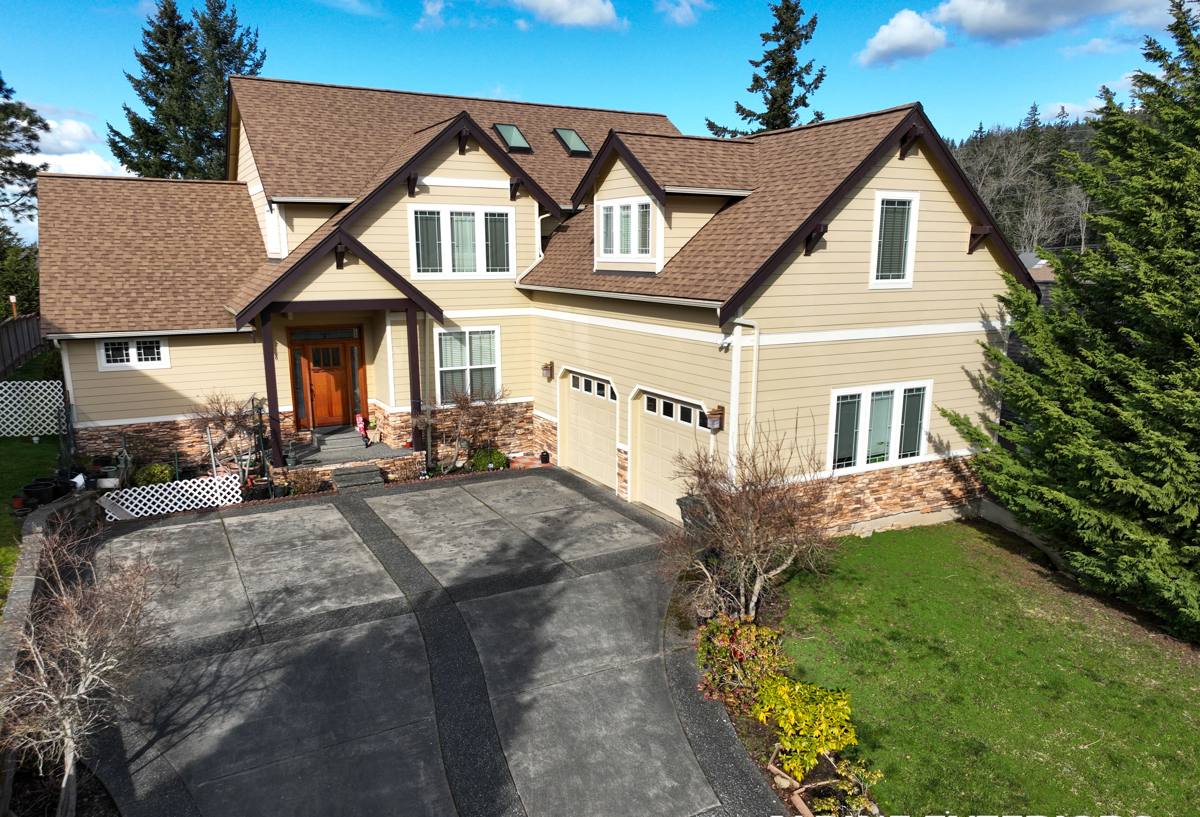
Why Valrico Roofs Wear Differently Than You'd Expect
A lot of homeowners assume roof damage comes only from big, dramatic storms. In reality, most repair calls we get in Valrico trace back to slower, cumulative wear:
- UV degradation: Central Florida sun breaks down asphalt shingle granules and dries out tile underlayment faster than in cooler climates, shortening the effective lifespan of materials rated for milder regions.
- Afternoon thunderstorms: The daily summer storm pattern means repeated cycles of heat, sudden rain, and wind — a stress cycle that loosens fasteners and works open small gaps in flashing over time.
- Wind uplift: Even storms that don't reach hurricane strength can generate gusts strong enough to lift shingle edges or shift tile if the original installation wasn't fastened to current wind-zone standards.
- Humidity and attic moisture: Florida's humidity means a small leak doesn't just stain a ceiling — it can promote wood rot and mold growth in the attic before it's ever visible from inside the house.
None of this means Valrico homes need constant roof work. It means repairs have to account for how the material will keep aging in this specific climate, not just how it looks the day the repair is finished.
Signs Your Roof Needs Repair
Most roof failures give warning signs well before there's an active leak inside the house. Homeowners in Valrico should watch for:
- Missing, cracked, or curling shingles, especially after a windy afternoon storm
- Granules collecting in gutters or at the base of downspouts
- Cracked, slipped, or displaced tiles on tile roofs
- Rust streaks or visible corrosion at metal roof fasteners or seams
- Soft spots when walking the roof deck, or sagging visible from the ground
- Water stains on interior ceilings, especially around chimneys, skylights, or plumbing vents
- Daylight visible through the roof deck from inside the attic
- Peeling paint or discoloration on exterior walls just below the roofline (often a sign of gutter or flashing overflow)
Any one of these on its own might be minor. Several together, or any sign after a storm event, is worth a professional look before the next round of rain.
Common Roof Repair Issues We See in Valrico
| Roof Type | Typical Repair Issue | Underlying Cause |
|---|---|---|
| Asphalt shingle | Lifted or missing shingles, exposed nail heads | Wind uplift, aging adhesive strips, UV brittleness |
| Concrete or clay tile | Cracked or slipped tiles, leaks despite intact tile | Impact damage, foot traffic, or failed underlayment beneath sound tile |
| Metal panel | Leaks at fastener penetrations or panel seams | Fastener backing out from thermal expansion cycles, worn washers |
| Flat or low-slope sections | Ponding water, membrane seam failure | Inadequate drainage slope or aged seam sealant |
| Flashing (all types) | Leaks around chimneys, skylights, walls, vents | Sealant breakdown from UV and thermal cycling, original install shortcuts |
Flashing failures deserve special mention because they're the single most common source of "mystery leaks" — water enters at a flashing joint, then travels along the roof deck or rafters before showing up on a ceiling several feet away from the actual entry point. A repair that only addresses the visible ceiling stain without tracing the leak back to its source doesn't count as a real fix.
What a Correct Roof Repair Actually Involves
A roof repair done right isn't just swapping a few shingles or tiles and calling it done. It involves:
1. Finding the Real Source
Leaks rarely show up directly above where they enter. A proper repair starts with tracing water intrusion back to its actual entry point — usually a flashing detail, a penetration, or a compromised section of underlayment — rather than patching the spot where the stain appeared.
2. Checking the Deck, Not Just the Surface
Any area with a suspected or confirmed leak needs the roof covering pulled back far enough to inspect the decking underneath. Florida's humidity means wet decking can develop soft spots or rot faster than homeowners expect, and installing new shingles or tile over compromised decking just guarantees a repeat repair.
3. Matching Materials and Fastening Methods
Repairs should use materials compatible with what's already on the roof — matching shingle profile and color where possible, or correct tile fastening methods for wind resistance. Mismatched materials or improper fastening are two of the most common reasons a "fixed" spot fails again in the next storm.
4. Rebuilding Flashing Properly
Flashing that's failed once usually needs to be replaced, not resealed. Caulk over old, failed flashing is a short-term patch, not a repair — it buys a season, maybe two, before it opens back up.
5. Code-Compliant Fastening for Wind
Hillsborough County's building code reflects Florida's wind-load requirements. Any repair involving fastening — new shingles, tile relaying, or metal panel work — should meet those same standards, not just match whatever was there originally if the original installation was already under-fastened.
Our Roof Repair Process
- Inspection: We walk the roof (or use a safe alternative for steep or fragile roof types) and inspect the attic from inside, looking for both the obvious damage and secondary signs like water staining, mold, or soft decking.
- Diagnosis and explanation: We tell you what we found, what's causing it, and what it will take to fix — in plain terms, before any work starts.
- Written estimate: You get a clear scope of work and price before we do anything, so there are no surprises once the repair is underway.
- Repair: We complete the work using materials matched to your existing roof and fastened to current wind-resistance standards.
- Cleanup and walkthrough: We clear debris, remove nails and material scraps from the yard and gutters, and walk you through what was done.
Repair vs. Replacement: How We Help You Decide
Not every roof problem calls for a full replacement, but not every problem should be patched forever either. We look at a few honest factors when advising which direction makes sense:
| Factor | Leans Toward Repair | Leans Toward Replacement |
|---|---|---|
| Roof age | Roof is well within its expected service life | Roof is near or past the end of its expected lifespan |
| Extent of damage | Isolated to one section or detail (flashing, one slope) | Widespread across multiple slopes or repeated leak locations |
| Decking condition | Decking is sound where inspected | Rot or soft decking found in multiple areas |
| Storm history | Recent isolated wind or impact event | Cumulative damage from multiple past storms |
| Insurance situation | Damage doesn't meet claim thresholds | Damage supports a covered claim that makes replacement the practical choice |
We won't push a full replacement when a proper repair will genuinely hold up, and we won't recommend repeatedly patching a roof that's structurally past its useful life. We'd rather give you the honest answer than the one that's easiest to sell.
Materials We Use and Why
For repair work, we prioritize materials that match or improve on what's already installed, with an eye toward how they perform specifically in Tampa Bay's climate:
- Shingles: Matched profile and, where possible, color, rated for the wind zone applicable to Hillsborough County.
- Underlayment: Self-adhering or synthetic underlayment in repaired sections, chosen for better moisture resistance than older felt products in Florida's humidity.
- Flashing: Metal flashing rebuilt to proper code details rather than sealant-only patches, since sealant alone degrades quickly under UV exposure.
- Sealants and fasteners: Corrosion-resistant fasteners and sealants rated for sustained UV and heat exposure, not general-purpose products that break down within a year or two outdoors here.
We're upfront when a particular repair approach involves trade-offs — for example, some lower-maintenance-looking products require more precise installation to perform well long-term, and we'll tell you that plainly rather than oversell a material's convenience.
Why Hiring a Crew That Already Works Valrico Matters
Roof repair isn't just about technical skill — local familiarity matters too. A crew that regularly works in Valrico and the surrounding Hillsborough County area already understands:
- Which roof ages and construction styles are common in local neighborhoods, and where their typical weak points show up first
- How the county's permitting and inspection process works for repair scopes that require it
- What kind of storm exposure the area has seen recently, which helps us recognize patterns rather than treating every roof as a blank slate
- How to schedule around Florida's storm season so repairs get addressed before the next system rolls through, not weeks after
A contractor unfamiliar with the area is starting from zero on all of this every time. Local experience means fewer surprises and faster, more accurate diagnosis.
Protecting Your Repair Going Forward
Once a repair is done, a little routine attention keeps it — and the rest of the roof — in good shape:
- Have gutters cleaned regularly so water drains away from the roofline instead of backing up under shingles or tile edges
- Trim back overhanging branches that can drop debris or scrape roofing material during wind
- Do a visual check after any significant storm, looking for obvious displaced material
- Keep an eye on attic spaces for any new staining, musty smell, or daylight, which can signal a new issue developing separately from the repaired area
- Schedule a periodic professional inspection rather than waiting for a leak to force the issue
Repairs hold up best when they're not the only maintenance a roof ever gets between full inspections.
Get an Honest Look at Your Roof
If you're seeing signs of damage, dealing with a leak, or just want a professional set of eyes on your roof after a storm, we're happy to take a look. We'll give you a clear, honest assessment of what's going on and what it would take to fix it properly — no pressure, no upsell. Use the form below to request a free estimate for roof repair at your Valrico home.