 Tampa Roofing
 Deck Building in Valrico: What Local Homes Actually Need
Valrico sits inland in Hillsborough County, a short drive from Tampa but far enough from the water that its deck-building needs are a little different from a waterfront property. Homeowners here are still dealing with the full weight of a Tampa Bay climate — long stretches of intense sun, sudden downpours, and the real possibility of hurricane-force wind during storm season — but without the constant salt spray that coastal decks have to fight off. A deck built for Valrico needs to handle heat and moisture cycling and structural wind loads first, with corrosion resistance as smart insurance rather than the top priority it would be a few miles closer to the bay.
That distinction matters because it changes real decisions: fastener selection, board spacing, footing depth, and how a structure is tied into the house. A deck that's overbuilt for salt exposure but underbuilt for wind uplift is just as much of a mismatch as the reverse. Getting this right from the start is what separates a deck that looks good for one season from one that holds up for fifteen or twenty years.
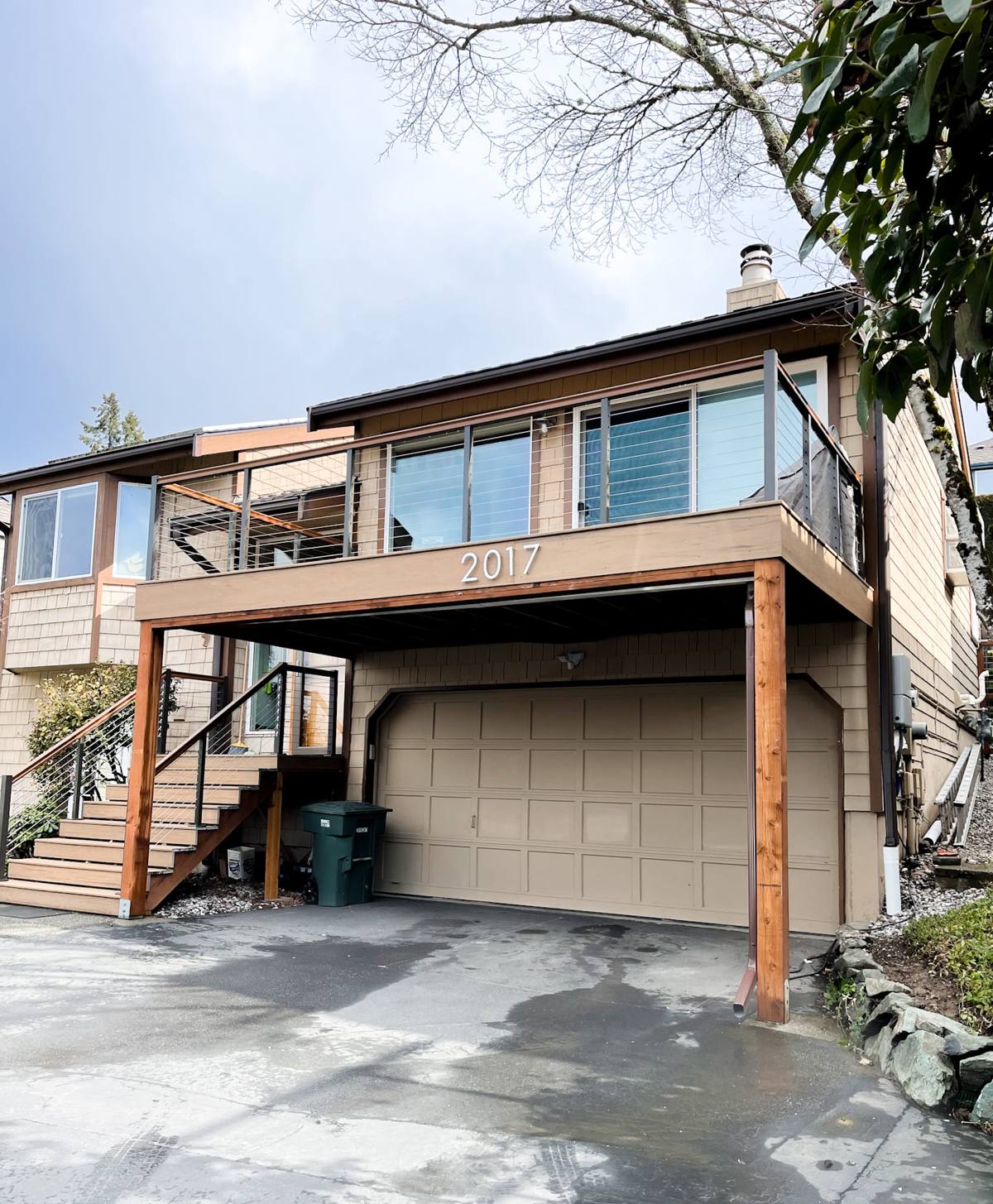
The Climate Factors That Shape a Valrico Deck Build
Year-Round UV Exposure
Florida sun is relentless, and it doesn't take a break in winter the way it does in most of the country. UV exposure breaks down the surface of wood fibers over time, causes fading and graying, and can dry out and crack certain decking materials faster than homeowners expect. It also affects how hot a deck surface gets underfoot — a real comfort issue for anyone barefoot near a pool or grill area.
Wind-Driven Rain and Humidity
Tampa Bay storms don't just drop rain straight down — wind pushes it sideways, into ledger connections, under railings, and into any gap that isn't properly flashed or sealed. Combined with Hillsborough County's high year-round humidity, this creates constant moisture cycling: wet, dry, wet again. That cycling is what causes warping, cupping, and fastener corrosion over time if the wrong materials or details are used.
Hurricane-Force Wind Loads
Even well inland, Valrico is squarely in a region where decks need to be engineered for real wind uplift and lateral load, not just static weight. Railings, post connections, and the ledger-to-house attachment are the parts most likely to fail in high wind if they weren't built to code in the first place.
Salt Air — A Smaller, Not Zero, Factor
Because Valrico is inland, salt air isn't the aggressive daily corrosion threat it is on a bayfront property. But Tampa Bay's marine air still travels, and combined with humidity it's enough that we don't recommend cutting corners on fasteners or hardware just because a property isn't on the water.
Choosing the Right Decking Material
There's no single "best" decking material — there's a best material for a given budget, maintenance appetite, and how the deck will actually be used. Here's how the common options stack up for a Valrico property:
| Material | Heat Underfoot | Maintenance | Moisture Behavior | Typical Lifespan |
|---|---|---|---|---|
| Pressure-treated wood | Moderate | Annual sealing/staining recommended | Prone to cupping/checking if not maintained | 10–15 years |
| Composite decking | Higher in direct sun | Low — occasional cleaning | Resists rot, won't splinter | 20–25+ years |
| Capped composite / PVC | Moderate to high, varies by color | Lowest — no sealing or staining | Excellent moisture and fade resistance | 25+ years |
| Tropical hardwood | Moderate | Periodic oiling for color retention | Naturally dense and moisture-resistant | 20–25 years with upkeep |
Pressure-treated wood is still the most affordable option and can perform well in this climate, but it's the most maintenance-dependent — skip a couple of seasons of sealing and Florida sun and rain will find every weak spot. Composite and capped composite boards cost more up front but trade ongoing maintenance for consistency, which is a fair trade for a lot of Valrico homeowners who want to actually use their deck rather than maintain it. Whatever material a homeowner chooses, we treat it as our professional standard to be upfront about the maintenance commitment each one carries, rather than downplaying it to make a sale.
What a Correctly Built Deck Involves
A deck that survives a decade of Tampa Bay weather comes down to details most homeowners never see once the boards are down. The visible surface is only part of the job — the structure underneath it is what actually determines whether the deck lasts.
- Proper footing depth and sizing for Hillsborough County soil and code requirements, not a generic minimum
- Ledger board attachment that's properly flashed and bolted (not nailed) into structural framing, with flashing detailed to shed wind-driven rain away from the house
- Corrosion-resistant fasteners and hardware rated for coastal-influenced humidity, even on inland builds
- Joist hangers and structural connectors sized and spaced to meet current wind-load requirements
- Proper board spacing to allow drainage and airflow underneath, reducing moisture trapping
- Railing and guard post connections engineered to resist lateral wind and impact loads, not just gravity
Every one of these is inspected by Hillsborough County's permitting process for a reason — they're the points that fail first in a storm when a deck was built to look right rather than to hold up.
Permitting in Hillsborough County
Most deck construction in Valrico requires a building permit, and for good reason: it triggers a structural review and inspection that catches problems before they're covered up by decking boards. Skipping the permit process might save time upfront, but it leaves a homeowner without a record that the structure meets code — which matters for insurance claims, home sales, and safety. A contractor who regularly pulls permits in Hillsborough County already knows the local review process and what inspectors are looking for, which keeps a project moving instead of stalling on avoidable corrections.
Design Considerations for Valrico Properties
Sun and Shade
Given how much direct sun a Valrico deck sees most of the year, orientation and shade planning matter as much as material choice. Pergolas, shade sails, or simply orienting a deck to take advantage of existing tree cover can make the difference between a space that gets used daily and one that's too hot to sit on for half the year.
Drainage and Grading
Florida's heavy seasonal rain means a deck's footprint needs to work with the yard's existing drainage, not against it. Poor grading around deck footings can lead to standing water, which accelerates wear on posts and footings over time regardless of material.
Pools and Multi-Level Layouts
A lot of Valrico backyards pair a deck with a pool or a multi-level outdoor living space. These layouts add complexity around railing code requirements, step transitions, and moisture management where the deck meets pool decking or patios — details that are easy to get wrong without local experience.
How Our Process Works
- On-site consultation: We walk the property, talk through how the space will actually be used, and assess sun exposure, drainage, and structural tie-in points.
- Design and material selection: We lay out options honestly, including the maintenance and cost trade-offs of each material, so the decision fits the homeowner's budget and lifestyle — not just the build.
- Permitting: We handle the Hillsborough County permit submission and coordinate required inspections so the homeowner isn't left navigating that process alone.
- Construction: Footings, framing, and ledger attachment come first and get inspected before decking, railing, and finish work proceed.
- Final walkthrough: We go over the finished deck together, including basic care guidance specific to the material installed.
Cost Factors to Expect
Every deck is different, but the same handful of factors drive most of the cost variation we see on Valrico projects:
| Factor | Why It Affects Cost |
|---|---|
| Decking material | Pressure-treated wood costs less upfront than composite or capped composite boards |
| Deck size and height | Larger footprints and elevated decks require more framing, footings, and railing |
| Structural complexity | Multi-level designs, built-in seating, or pool-adjacent layouts add labor and engineering |
| Railing style | Cable, glass, or composite railing systems cost more than standard wood or aluminum balusters |
| Site access and prep | Grading, drainage work, or difficult equipment access can add to labor time |
We give homeowners a real range early in the consultation based on these factors rather than a vague estimate, so there are no surprises once the design is finalized.
Maintaining a Deck in Valrico's Climate
Whatever material a deck is built with, a small amount of regular upkeep goes a long way in this climate. Here's what we recommend:
- Sweep debris and standing organic matter (leaves, pollen) off the deck regularly to prevent moisture retention and mildew
- Check and re-seal pressure-treated wood on a yearly or as-needed basis, based on sun exposure
- Inspect fastener heads and hardware annually for early signs of corrosion, especially near board edges
- Confirm gaps between boards stay clear so water can drain and air can circulate underneath
- Walk the structure after major storms to check railing and post connections for movement
- Trim back nearby vegetation that traps moisture against the deck surface or framing
Why Hiring a Crew That Already Works in Valrico Matters
A deck built with generic, one-size-fits-all specs might be fine somewhere with a mild, dry climate. It's a different story here. A crew that regularly works in Valrico and across Hillsborough County already knows the local permitting office's expectations, understands how the area's specific mix of inland humidity, sun exposure, and storm wind loads should shape material and hardware choices, and has already worked through the drainage and grading quirks common to this part of Tampa Bay. That local experience shows up in decisions homeowners never have to think about — because they were handled correctly the first time.
If you're planning a new deck or replacing one that didn't hold up to Florida weather, we're happy to walk your property and talk through honest options for your budget and how you actually want to use the space. Reach out for a free, no-pressure estimate using the form below.