 Tampa Roofing
 Siding That Has to Work in Valrico's Climate
Valrico sits inland from Tampa Bay in Hillsborough County, but "inland" doesn't mean sheltered. Homes here still take a beating from the same forces that hit the coast: long stretches of intense UV exposure, heavy summer humidity, wind-driven rain during thunderstorm season, and the real possibility of hurricane-force winds during an active storm year. Add in the freeze-thaw cycles that occasionally show up on cold winter nights and the constant expansion and contraction that comes with Florida's temperature swings, and you've got a climate that is genuinely hard on exterior building materials.
Siding on a Valrico home isn't a cosmetic afterthought. It's the layer standing between your framing, sheathing, and insulation and everything the weather throws at it for the next 20-30 years. When it fails — through moisture intrusion, warping, cracking, or paint failure — the damage often isn't visible until it's already behind the wall. That's why the material choice and the installation quality matter more here than in milder climates.
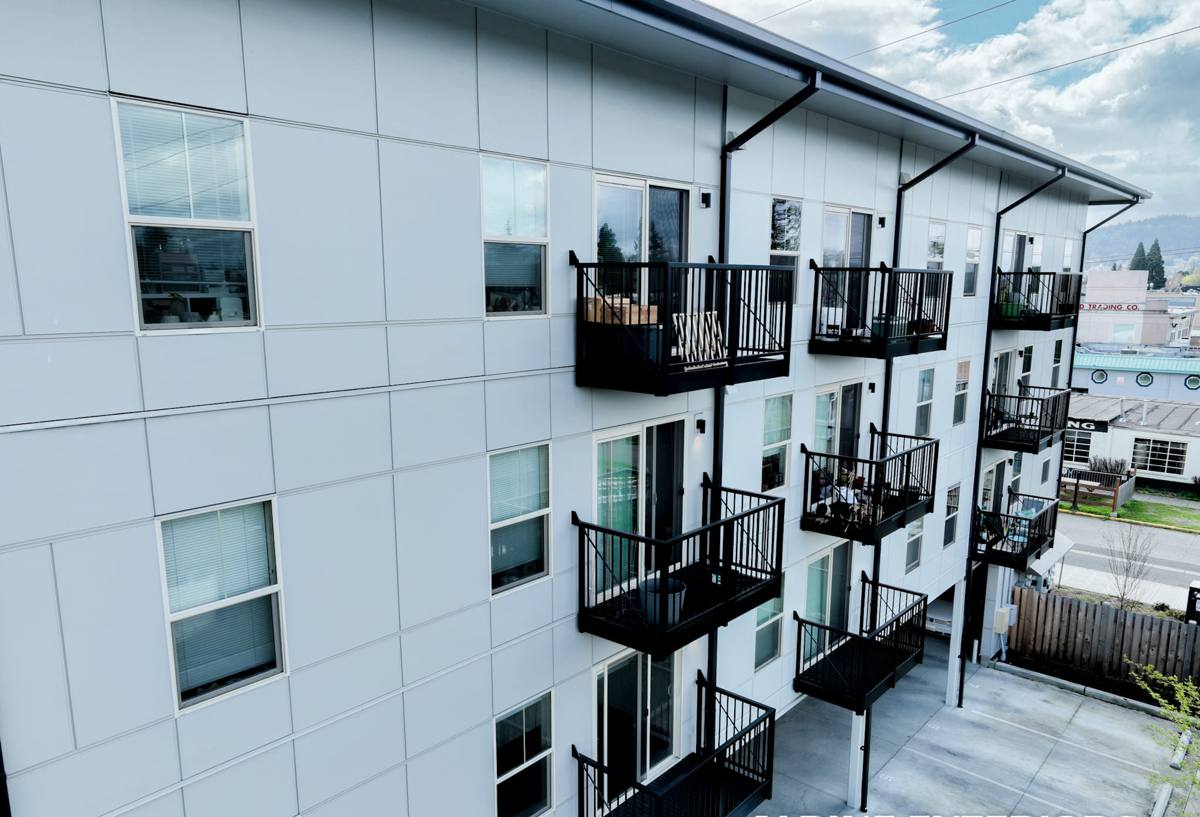
Why We Only Install James Hardie Fiber Cement
We've made a deliberate decision as a company to install James Hardie fiber cement siding exclusively. We don't install vinyl, LP SmartSide, Cemplank, Allura, or primed wood products like spruce or cedar. That's not a marketing angle — it's a standard we hold because of what we've seen play out on real homes in real Florida weather over the years.
Vinyl siding can warp and distort in prolonged direct sun, and Hillsborough County gets more sun exposure than most parts of the country. Engineered wood products like LP SmartSide handle moisture differently than fiber cement and require more attentive maintenance to keep water from finding its way into seams and cut edges. Other fiber cement brands may be chemically similar to Hardie, but the factory-applied finish system, the climate-specific product engineering, and the warranty backing are where the real differences show up — and those differences matter over a 30-year ownership timeline, not just in year one.
James Hardie is non-combustible, engineered specifically for humid climates through its HZ5 product line (the formulation designed for the Gulf Coast and similar high-moisture regions), and finished with ColorPlus Technology — a factory-baked finish that resists fading and chipping far better than field-applied paint. It's the product we're comfortable standing behind, so it's the only one we put on homes.
What Valrico Homes Specifically Need From Their Siding
UV and Fade Resistance
Florida sun is relentless nearly year-round. Siding facing south and west exposures in Valrico takes the brunt of it, and standard field-applied paint jobs on wood or fiber cement typically start showing fade and chalking within 5-8 years. A factory-cured finish system holds color significantly longer because it's cured under controlled conditions rather than drying in open air on the wall.
Moisture and Humidity Management
Hillsborough County's humidity doesn't let up for much of the year. Siding materials that absorb or trap moisture — through poor drainage design, inadequate flashing, or materials prone to swelling — set the stage for mold, rot, and pest issues behind the cladding. The material itself needs to shed water well, and just as importantly, it needs to be installed with proper water-resistive barriers, flashing, and clearances so moisture never gets trapped against the wall assembly in the first place.
Wind Performance
Valrico isn't a coastal flood zone, but it's still squarely within the wind exposure that Hillsborough County building code accounts for, and it sees the same tropical systems that move through the Tampa Bay area. Fastener pattern, panel overlap, and correct nailing schedule all affect how well siding holds up when sustained winds and gusts hit a wall. This is installation detail, not just material spec — the best siding product in the world will still fail at the fasteners if it's hung wrong.
Salt Air Influence
Valrico is far enough inland that salt exposure is much lower than in beachfront communities, but Tampa Bay's proximity still puts a mild, cumulative salt-air influence on homes throughout the greater Tampa area. Over many years, that adds to the case for a cladding and fastener system that won't corrode or degrade from airborne salt combined with humidity.
What a Correct Fiber Cement Installation Actually Involves
A lot of siding problems we get called out to inspect aren't material failures — they're installation failures. Fiber cement is a forgiving, long-lasting product when it's installed to manufacturer spec, and an unforgiving one when it isn't. Here's what correct installation actually requires:
- Proper water-resistive barrier: A continuous weather barrier behind the siding, lapped correctly, with all penetrations sealed.
- Correct clearances: Minimum gaps between siding and grade, roofing, decks, and other abutting surfaces so water has somewhere to go and siding isn't sitting in standing moisture.
- Manufacturer-specified fastening: Correct nail or screw type, spacing, and placement — Hardie's installation guidelines are specific for a reason, and deviating from them is one of the most common ways siding warranties get voided.
- Flashing at every penetration: Windows, doors, hose bibs, light fixtures, and vents all need proper flashing and sealant details, not just caulk applied after the fact.
- Panel and joint treatment: Correctly staggered joints, factory-primed cut edges re-sealed on site, and butt joints treated per spec to prevent water intrusion at seams.
- Ventilation behind the cladding: Depending on the wall assembly, a drainage plane or rainscreen approach that lets any incidental moisture escape rather than get trapped.
Skip any one of these steps and you can end up with a wall that looks fine for a few years and then starts showing problems that are expensive to trace and repair, because the damage is hidden behind the finished siding.
Our Process for a Valrico Siding Project
1. On-Site Assessment
We walk the exterior, check the current siding or substrate condition, look at trim, window and door details, soffit and fascia condition, and identify any moisture damage or rot that needs to be addressed before new siding goes up. Covering up an existing problem is one of the worst mistakes in this trade.
2. Product and Line Selection
We go over which Hardie product line and profile fits the home — lap siding, board and batten, shingle-style panels, or a mix with trim — along with color options through the ColorPlus system versus field-painted options.
3. Written Scope and Estimate
You get a clear, itemized scope of work: substrate repair if needed, house wrap or weather barrier, siding material and profile, trim package, and fastening approach. No vague line items.
4. Substrate Prep and Repair
Any rot, damaged sheathing, or compromised framing gets addressed before a single piece of siding goes up. This is the step that gets skipped by crews trying to move fast, and it's the one that causes callbacks years later.
5. Installation to Manufacturer Spec
Weather barrier, flashing, and siding installed per James Hardie's published installation guidelines — the details outlined above aren't optional add-ons, they're the baseline.
6. Final Walkthrough
We walk the finished project with you, cover care and maintenance expectations, and make sure you understand what's covered under the manufacturer warranty versus our workmanship warranty.
Cost Factors on a Valrico Siding Project
| Factor | Why It Affects Cost |
|---|---|
| Home size and wall complexity | More square footage, gables, and architectural detail mean more material and labor hours |
| Substrate condition | Rot or moisture damage found during tear-off requires repair before new siding can go on |
| Product line and profile | Lap siding, board and batten, and shingle-style panels carry different material costs |
| Trim scope | Full trim replacement (corners, window/door casing, fascia) adds material and labor beyond the field siding |
| Finish option | Factory ColorPlus finish versus field-applied paint affects both material cost and long-term maintenance |
| Access and site conditions | Multi-story sections, tight lot lines, or landscaping that limits staging can add labor time |
We don't publish blanket per-square-foot pricing because these factors genuinely change the number from one house to the next — an accurate estimate requires seeing the home.
Why It Matters That We Already Work in Valrico
A crew that regularly works Hillsborough County knows the local permitting process, understands what Valrico's specific wind exposure and code requirements call for, and has already worked through the common substrate and framing conditions found in homes across this part of the county. That familiarity shortens the learning curve on your project and reduces surprises mid-job.
It also means we're not disappearing after the install. A local, established crew is the one you can actually call if a question comes up two years down the road — about a warranty claim, a minor repair after a storm, or just general maintenance advice. That accountability is worth factoring into who you hire, separate from the price on the estimate.
Maintenance Expectations After Installation
One of the practical advantages of fiber cement with a factory finish is how little ongoing maintenance it demands compared to wood or vinyl. That said, "low maintenance" isn't "no maintenance":
- Rinse the exterior periodically to remove pollen, dust, and salt-air residue, especially after long dry spells
- Inspect caulking at trim joints, window and door perimeters, and penetrations annually and re-caulk as needed
- Keep irrigation heads and sprinklers from spraying directly on siding long-term, which can cause mineral staining
- Trim back vegetation and mulch beds so soil and plant material aren't holding moisture against the bottom courses
- After any major storm, do a visual check for cracked panels, loose trim, or fastener issues
None of this is labor-intensive, but it's the kind of basic upkeep that extends the life of any siding system, Hardie included.
If you're planning a siding project in Valrico and want a straight answer about what your home actually needs, we're glad to take a look. Reach out for a free, no-pressure estimate using the form below.