 Tampa Roofing
 Composite Decking in Valrico: What the Climate Actually Demands
Valrico sits inland from Tampa Bay in Hillsborough County, but "inland" doesn't mean "easy" when it comes to outdoor building materials. Homes here still deal with long, humid summers, intense year-round UV exposure, and the same tropical storm and hurricane risk that affects the rest of the Tampa Bay region. During active storm seasons, wind-driven rain can push moisture into places a deck was never designed to handle, and even communities well away from the coastline get periodic salt-laden air carried inland during larger weather systems. None of that is exotic information — it's just the baseline any deck in this area has to survive, year after year, without babying.
Composite decking has become the default choice for a lot of Valrico homeowners because it's built to shrug off exactly these conditions better than untreated or even pressure-treated wood. But "composite" isn't one product — it's a category, and the difference between a deck that looks good in year ten and one that's already warping, fading, or mildewing comes down to material selection and installation details most homeowners never think to ask about.
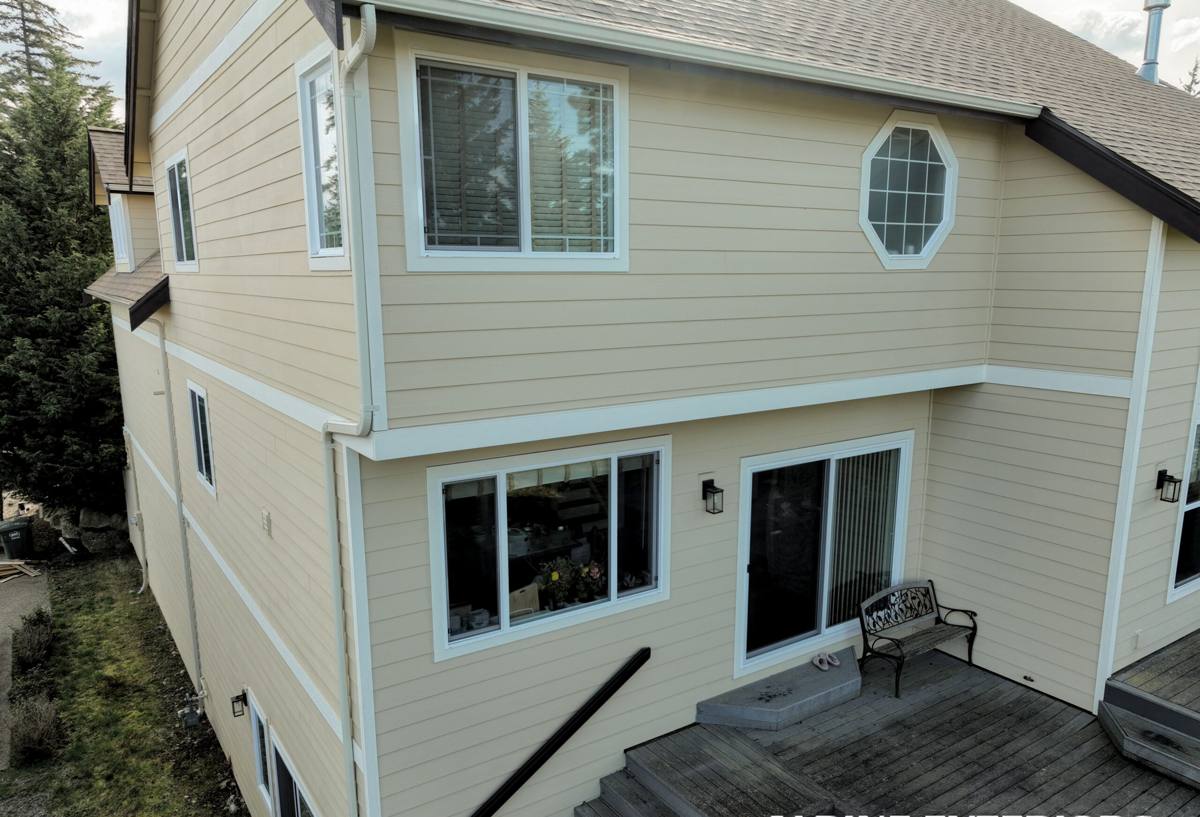
Why Wood Struggles Here, and Where Composite Actually Wins
The Wood Problem in a Humid Climate
Pressure-treated wood decking is cheaper up front, but Hillsborough County's climate is hard on it. Constant humidity keeps boards from ever fully drying out between rain events, which accelerates warping, cupping, and splintering. UV exposure bleaches and dries the surface fibers, and the freeze-thaw cycle isn't the enemy here — it's wet-dry cycling, expansion and contraction that loosens fasteners and opens up cracks where water and mildew get a foothold. Keeping a wood deck looking right in this climate means sanding, staining, and sealing on a schedule most homeowners don't stick to.
Where Composite Holds Up
Quality composite decking (a blend of wood fiber and recycled plastic, usually with a protective cap layer) doesn't absorb moisture the way solid wood does, which matters a lot when your deck sits through months of humidity and sudden downpours. It doesn't need annual staining, resists UV fading far better over the long haul, and won't splinter, crack, or host the kind of surface mildew that wood decks in shaded, humid yards tend to grow. It's not maintenance-free — nothing outdoors in Florida truly is — but the maintenance burden is dramatically lower.
What a Correct Composite Deck Installation Actually Involves
The board material only does half the job. The other half is installation details that either protect the structure for 20-plus years or set it up to fail early, regardless of how good the decking brand is. This is where a lot of decks — composite or otherwise — go wrong, and it's rarely visible until years later.
- Ledger board flashing: Where the deck attaches to the house needs proper flashing to keep wind-driven rain from working its way behind the siding or into the rim joist. This is the single most common failure point on decks that develop rot or water damage at the house connection.
- Joist spacing and blocking: Composite boards have manufacturer-specified joist spacing requirements, often tighter than what's traditional for wood, especially on diagonal or picture-frame layouts. Spacing that's too wide leads to bounce, sag, and premature board stress.
- Hidden fastener systems vs. face screwing: Most quality composite systems use hidden clips that let boards expand and contract with heat without visible fastener pops. Getting the gap tolerances right matters more in a climate with big daily temperature swings between a hot afternoon and a cool, humid evening.
- Ventilation underneath: Composite decking still needs airflow beneath the deck surface to manage humidity and prevent moisture from being trapped against the substructure. Skipping proper under-deck ventilation is a common shortcut that causes problems years later.
- Structural framing material: The composite boards may resist moisture, but if the joists and beams underneath are untreated or under-protected wood, that substructure is still vulnerable. Correct framing material and hardware (corrosion-resistant fasteners and connectors) matter as much as the decking itself.
- Drainage and grading: Water needs somewhere to go. Decks built low to grade or without adequate slope trap moisture against the structure, which defeats a lot of the benefit of using composite in the first place.
Composite vs. Other Decking Options for Valrico Homes
| Material | Upfront Cost | Maintenance | Humidity/Storm Resistance | Typical Lifespan |
|---|---|---|---|---|
| Pressure-treated wood | Lowest | Annual staining/sealing recommended | Fair — prone to warping, splintering over time | 10-15 years before major repairs |
| Composite (capped) | Mid-to-high | Occasional washing, no staining | Strong — resists moisture absorption and fading | 25-30+ years |
| PVC decking | Highest | Very low | Strong, though can run hotter underfoot in direct sun | 25-30+ years |
| Uncapped composite | Lower than capped | More prone to staining/fading, needs occasional cleaning | Moderate — surface is more exposed to moisture and UV | 15-20 years |
We generally steer Valrico homeowners toward fully capped composite boards rather than uncapped composite. Uncapped products are less expensive, but without a protective outer layer they're more exposed to moisture penetration and UV degradation over time — the same forces that wear down wood decking, just at a slower rate. In a climate with this much sun and humidity, that difference shows up faster than it would somewhere drier.
Cost Factors on a Valrico Composite Deck
We don't publish flat per-square-foot pricing because too many variables affect the real number, but these are the factors that actually move the cost on most projects:
| Factor | Why It Matters |
|---|---|
| Deck size and layout complexity | Multi-level decks, curves, and diagonal board patterns increase labor and material waste |
| Board tier (capped vs. uncapped, brand line) | Composite pricing ranges widely by manufacturer and product line |
| Substructure condition | Replacing an existing deck's framing adds cost but is often necessary for a proper long-term result |
| Railing and fascia choices | Composite or aluminum railing systems cost more than basic wood but match the low-maintenance goal |
| Height and access | Elevated decks or difficult site access add labor time |
| Permitting requirements | Hillsborough County permitting and inspection requirements apply to most new deck construction |
Our Process for a Composite Deck Build or Replacement
- On-site assessment: We look at the existing structure (if there is one), grading, drainage, and how the deck connects to the house before quoting anything.
- Material selection: We walk through board options and tiers based on your budget and how the space is actually used — full sun exposure calls for different considerations than a shaded, covered deck.
- Permitting: We handle the Hillsborough County permitting and inspection process for new construction and major deck replacements.
- Demo (if applicable) and framing: Old decking and, where needed, compromised framing comes out first. We don't build new composite boards on top of a substructure that won't support them for the long term.
- Installation: Ledger flashing, joist layout, ventilation, and hidden fastener systems are installed to manufacturer spec, not shortcuts.
- Final walkthrough: We go over the finished deck and basic care with you directly before calling the job done.
Why a Crew That Already Works Valrico Matters
Composite decking installation isn't unique to Tampa, but the details that make it succeed or fail here are shaped by local conditions: how much sun a given lot gets, how the area's humidity affects framing choices, and what Hillsborough County inspectors expect to see on a permitted deck build. A crew that's already worked in and around Valrico has already dealt with the county's permitting process, understands typical lot layouts and grading in the area, and isn't learning local requirements on your project. That translates to fewer surprises, fewer inspection delays, and a deck built to actually hold up to the climate it's sitting in — not a generic install dropped into a hot, humid environment it wasn't planned for.
Maintaining a Composite Deck in a Tampa Bay Climate
Composite decking is low-maintenance, not no-maintenance. A little routine care goes a long way toward hitting the full lifespan of the material:
- Sweep or blow off debris regularly — trapped leaves and organic matter against the board surface can encourage mildew growth in humid weather.
- Wash the deck surface a few times a year with mild soap and water (or a manufacturer-approved composite cleaner) to prevent surface film buildup.
- Check under-deck ventilation areas periodically to make sure they haven't been blocked by landscaping, storage, or debris.
- Inspect railing posts, stairs, and ledger connections annually, especially after major storm activity.
- Avoid dragging metal furniture or grills directly across the board surface, which can scuff the cap layer over time.
- Keep gutters and downspouts near the deck clear so runoff isn't dumping extra water onto or under the structure.
Signs Your Existing Deck Needs Attention
If you already have a deck in Valrico — wood or composite — a few warning signs are worth acting on before they become structural problems: soft or spongy spots in decking boards, visible gaps or rot at the ledger board connection to the house, wobbly or loose railing posts, fasteners that have backed out or rusted, and standing water that doesn't drain off the surface after rain. Any of these can be a sign the substructure needs evaluation, not just a surface fix.
If you're planning a new composite deck or need an existing one evaluated, we're glad to take a look and give you a straightforward, no-pressure estimate — just fill out the form below.