 Tampa Roofing
 Board & Batten in a Neighborhood Built on Character
Temple Terrace has one of the more distinct housing stocks in the Tampa area — a mix of older ranch homes, mid-century construction, and a steady wave of remodels and infill builds that lean into craftsman and modern farmhouse styling. Board and batten siding fits that look well. The vertical panels with raised battens over the seams give a home a cleaner, more tailored profile than standard lap siding, and it reads especially well on gables, porch accents, and full front elevations where homeowners want something with more visual weight than flat horizontal boards.
That said, board and batten is not just a style choice. The way it's built — vertical panels, exposed seams covered by battens, more total linear joints than lap siding — makes material selection and installation quality more important, not less. In a coastal Gulf climate like Hillsborough County's, the wrong material or a sloppy install on this style shows problems faster than it would on a simpler siding profile.
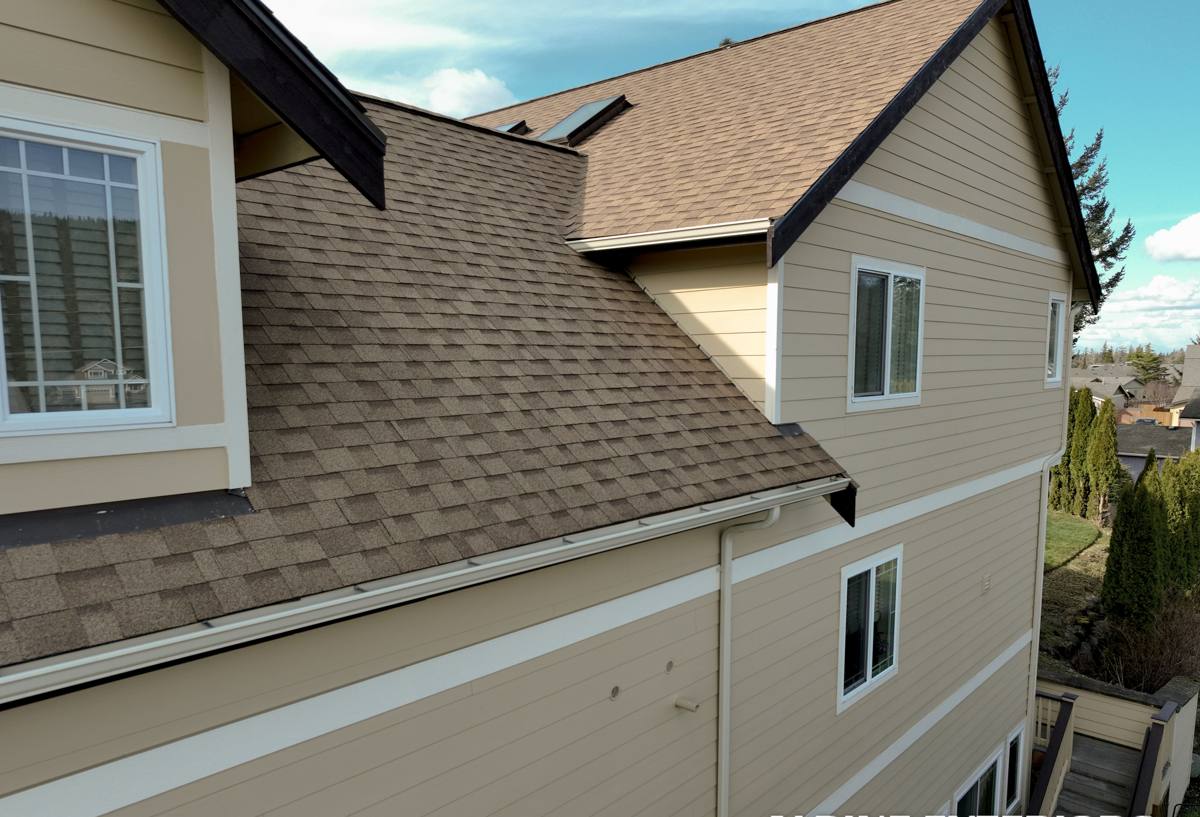
What Tampa's Climate Actually Does to Board & Batten Siding
UV and Heat
Florida sun is relentless almost year-round, and board and batten's vertical battens create more shadow lines and more painted or finished surface area exposed to direct light at different angles throughout the day. Cheaper coatings and unfinished wood substrates fade unevenly and chalk faster under this kind of exposure. A factory-applied finish designed to resist UV breakdown matters more here than it would in a milder climate.
Wind-Driven Rain and Hurricane Exposure
Temple Terrace sits inland from the coast but is still well within reach of tropical storm systems and hurricane-force wind events that come through the Tampa Bay area. Wind-driven rain doesn't just fall — it gets pushed sideways and upward under battens and behind panel edges if the flashing and fastening weren't done correctly. Board and batten has more seams than lap siding, which means more places for water to find a way in if the underlying water-resistive barrier and joint treatment aren't handled properly.
Salt Air and Humidity
Even away from the immediate coastline, salt-laden air moves inland across the Bay area and contributes to faster corrosion of exposed fasteners and faster breakdown of lower-grade caulks and sealants. Combined with Tampa's humidity, this is part of why some materials that perform fine in drier inland states don't hold up as well here.
Why the Material Underneath the Battens Matters
Because board and batten has more joints and more surface detail than plain lap siding, the material you build it from matters more, not less. Wood board and batten needs regular repainting and is vulnerable to moisture wicking at the panel edges and batten overlaps. Vinyl board and batten profiles can warp or distort in sustained heat, and the seams rely heavily on the installation being close to perfect since the material itself has little structural rigidity. Engineered wood products carry their own moisture-sensitivity requirements that installers have to follow closely, especially at cut edges and butt joints.
We install only James Hardie fiber cement siding, in board and batten and every other profile we offer. It's a decision we made based on how the material performs specifically in a climate like Hillsborough County's — not because other products are worthless, but because fiber cement's stability, moisture resistance, and factory finish hold up to sun, wind-driven rain, and salt air with less long-term maintenance than the alternatives. Non-combustible construction is also a real consideration for insurance and fire safety, independent of the weather factors.
How James Hardie Board & Batten Is Built
James Hardie's board and batten systems use HardiePanel vertical siding, installed with vertical battens over the panel joints, finished with the ColorPlus factory-applied coating system. A few specifics that matter for this region:
- HZ5 formulation, engineered for high-humidity, high-moisture climates like Florida's Gulf Coast
- ColorPlus finish is baked on at the factory under controlled conditions, rather than field-applied paint that depends on weather conditions during installation
- Fiber cement does not expand and contract with heat and humidity the way vinyl or wood does, which keeps panel and batten lines straight over time
- Class A fire rating, non-combustible core material
- A transferable limited warranty backing the product when it's installed to Hardie's specifications
The finish and formulation are only half the equation, though. Board and batten's performance in this climate comes down almost entirely to how it's installed.
What a Correct Installation Actually Involves
Water Management Behind the Siding
Before any panel goes up, the wall needs a proper water-resistive barrier, correctly lapped and sealed, with flashing integrated at every window, door, and penetration. Board and batten's vertical seams and batten overlaps have to shed water outward rather than trap it against the sheathing. This is the step that gets shortchanged most often on rushed jobs, and it's also the step that determines whether a home stays dry through a decade of Tampa storm seasons.
Fastening and Joint Treatment
Panels and battens need to be fastened per manufacturer spec — correct fastener type, spacing, and penetration depth — with joints treated so they don't become entry points for wind-driven rain. Batten placement has to align with the panel seams underneath, not just be spaced for looks.
Clearances and Expansion
Fiber cement still needs proper clearance at grade, roof lines, and other siding-to-trim transitions, and installers need to follow Hardie's specified gaps and sealant joints rather than butting everything tight. Skipping this is a common source of moisture problems that show up years later.
Our Process for a Temple Terrace Project
Every job starts with an on-site assessment of the existing wall condition, not just a quote based on square footage. For a board and batten project specifically, we're looking at:
- Condition of the existing sheathing and water barrier once old siding is removed
- Window and door flashing integration points
- Elevation and exposure — south- and west-facing walls take the most sun and wind-driven rain in this area and sometimes warrant extra attention at transitions
- Existing trim, soffit, and fascia condition, since board and batten transitions are visually and functionally tied to these details
- Permitting requirements through the applicable local building department, since siding replacement in this part of Hillsborough County typically requires a permit and inspection
From there we scope the job with a written plan covering material, fastening approach, flashing details, and finish color before any work begins — no surprises mid-project.
What Drives the Cost of a Board & Batten Project
| Factor | Why It Matters in Temple Terrace |
|---|---|
| Wall condition underneath existing siding | Storm and humidity exposure sometimes means sheathing repair is needed before new siding goes on |
| Amount of trim and transition detail | Board and batten often goes on gables, accents, or full elevations with more corners and transitions than a plain lap job |
| Height and accessibility | Two-story sections and steep rooflines affect labor and equipment needs |
| Color and finish selection | ColorPlus factory finishes come in a range of standard colors; custom field-painted finishes add cost and maintenance |
| Scope — full replacement vs. accent application | Many Temple Terrace homes use board and batten selectively on gables or porches rather than the whole exterior |
We give firm, itemized quotes after the on-site assessment rather than ballpark numbers over the phone, because wall condition varies enough between homes that a phone estimate isn't honest.
Maintaining Board & Batten in This Climate
One of the advantages of fiber cement over wood board and batten is a much lighter maintenance load, but "low maintenance" isn't "no maintenance" in a climate this demanding. A simple annual routine goes a long way:
- Rinse the siding down once or twice a year to clear salt residue, pollen, and airborne grime, especially after dry spells
- Inspect caulked joints at trim, windows, and batten terminations annually and before hurricane season
- Check for any sign of moisture staining at the base of walls or below windows after heavy storms
- Keep irrigation heads and sprinklers from spraying directly on the siding long-term, which can accelerate wear at the lowest courses
- Have any impact damage from debris — common during Florida storm season — assessed and repaired promptly rather than left open to moisture
Why Local Experience Matters for This Style
Board and batten isn't installed the same way in Temple Terrace as it would be in a dry inland climate. Crews that don't regularly work Tampa Bay area homes can get the flashing and joint details wrong in ways that don't show up until the first serious storm season. A crew that already works in Hillsborough County knows the wind exposure patterns on different home orientations, understands local permitting expectations, and has already seen how board and batten performs — or fails — on homes similar to yours after a few years of Florida weather. That experience is the difference between a job that looks right at handoff and one that's actually built to hold up.
If you're considering board and batten siding for your Temple Terrace home, we're happy to walk the property, look at what you're working with, and put together a straightforward, no-pressure estimate — no obligation, just an honest look at what the job actually involves.