 Tampa Roofing
 Why Temple Terrace Roofs Wear Out Differently
Temple Terrace sits just northeast of downtown Tampa, and its roofs deal with the same punishing mix every Hillsborough County home faces: intense year-round UV, sudden wind-driven downpours, and long stretches of humidity that never really let a roof dry out completely. What sets many Temple Terrace properties apart is the tree canopy. This is one of the more established, tree-lined communities in the Tampa area, and mature oaks mean more shade — which sounds like a benefit until you account for the constant leaf and pollen buildup in valleys, the moss and algae growth that thrives in shaded, damp areas, and the risk of limb strikes during a tropical system.
Add in the salt-laden air that drifts inland off Tampa Bay, and you get a roofing environment that ages fasteners, flashing, and shingle granules faster than a roof built the same way would age in a drier, cooler climate. None of this means Temple Terrace homes need exotic solutions. It means the replacement has to be done with these specific stresses in mind, not with a generic install that treats every roof the same.
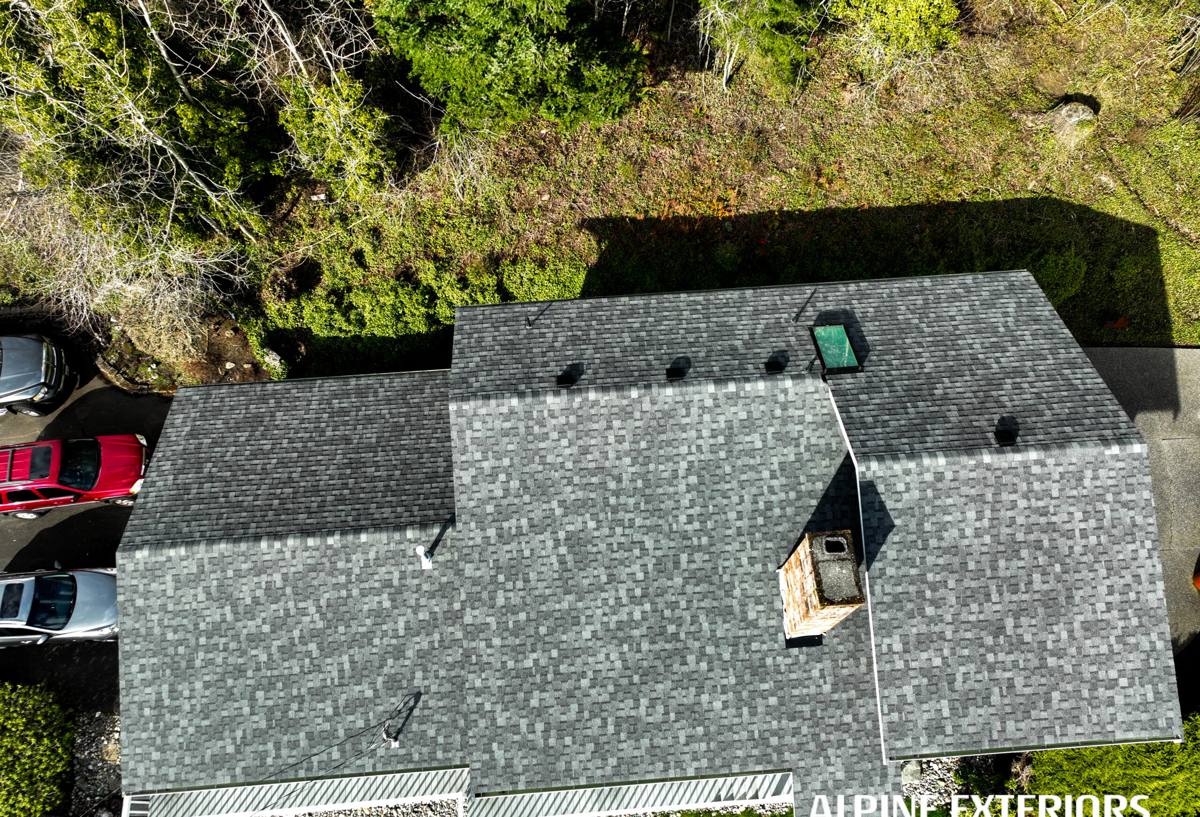
Signs a Temple Terrace Roof Needs Replacement, Not Another Repair
Roof repair has its place, and a good contractor will tell you when a repair is the honest answer. But there's a point where patching starts costing more than it saves. Here's what typically tips a Temple Terrace roof from "repair" to "replace":
- Shingles that are curling, cupping, or losing granules across large sections rather than one isolated spot
- Multiple past repairs in different areas of the roof, suggesting the underlayment and decking are failing broadly, not locally
- Soft or spongy decking found during inspection, usually from long-term moisture intrusion
- Persistent moss or algae staining that keeps returning after cleaning, especially on shaded slopes
- A roof approaching or past 20 years old (asphalt shingle) with no major upgrades since installation
- Visible daylight through the attic decking, or recurring leaks around penetrations and valleys
If a roof is showing two or more of these at once, replacement is almost always the more cost-effective path over the next five to ten years.
What a Correct Roof Replacement Actually Involves
Tear-Off and Deck Inspection
A proper replacement starts with full tear-off down to the deck — not a layover on top of old shingles. This is the only way to actually see the plywood or OSB underneath and catch rot, delamination, or soft spots before they're sealed under a new roof for another two decades. Any damaged decking gets replaced, not covered.
Underlayment and Water Management
Given how much wind-driven rain this area sees during Florida's wet season, underlayment choice matters. A synthetic underlayment, combined with self-adhered ice-and-water-shield-style membrane at eaves, valleys, and around penetrations, gives the roof a secondary water barrier if wind ever drives rain up under the shingle tabs.
Flashing and Ventilation
Flashing around chimneys, skylights, and wall intersections fails more often than shingles do — it's usually the real source of a "roof leak" that never shows up in the field of the roof itself. New flashing, properly step-flashed and sealed, is non-negotiable on a full replacement. Ventilation is the other piece homeowners tend to overlook: a hot, poorly ventilated attic bakes shingles from underneath and shortens their life regardless of how good the shingle itself is.
Wind-Rated Installation
Fastening pattern and nail placement determine a roof's actual wind rating far more than the shingle brand does. Hillsborough County's building code sets minimum wind resistance standards, and a correct install follows the manufacturer's high-wind nailing pattern, not just the minimum code nail count.
Choosing the Right Roofing Material
Most Temple Terrace homes are well served by architectural asphalt shingles, but the right choice depends on the home's age, roof pitch, HOA or neighborhood expectations, and budget. Here's how the common options compare for this climate:
| Material | Typical Lifespan | Wind Performance | Best Fit |
|---|---|---|---|
| 3-tab asphalt shingle | 15-20 years | Lower wind rating | Budget-focused replacements, rentals |
| Architectural (dimensional) shingle | 25-30 years | Higher wind rating, better in gusts | Most Temple Terrace homes |
| Metal (standing seam or shingle-style) | 40-50+ years | Excellent, especially in high wind | Homeowners planning to stay long-term |
| Concrete or clay tile | 40-50+ years | Very good when properly fastened | Homes built or re-roofed with tile originally |
We install and stand behind quality architectural shingles from established manufacturers because the trade-offs are honest: they hold up well to UV and wind, the warranty structures are straightforward, and repairs down the road are simpler than with more specialized systems. Products like Class 4 impact-resistant shingles or algae-resistant granule lines are worth discussing if your roof sees heavy shade or you want the added impact protection — we'll walk through whether that upgrade makes sense for your specific roof rather than upselling it by default.
Our Process, Start to Finish
- Inspection and estimate — We walk the roof, check the attic, and give you a written estimate with no pressure to sign on the spot.
- Material selection — We go over shingle options, colors, and any upgrades (impact rating, ventilation improvements) based on your roof, not a one-size pitch.
- Permitting — We pull the required Hillsborough County or City of Temple Terrace permit before work begins, as required by law.
- Tear-off and disposal — Old roofing material comes off completely and is hauled away; your property is protected during the process.
- Deck repair, underlayment, and flashing — Any deck issues get fixed, new underlayment and flashing go in before a single shingle is installed.
- Shingle installation — Installed to the manufacturer's high-wind nailing specification, not the bare code minimum.
- Final inspection and cleanup — We walk the site with you, run a magnetic sweep for stray nails, and confirm everything meets code before the permit closes out.
Permitting, Wind Mitigation, and Insurance
Every roof replacement in Hillsborough County requires a permit, and the finished work has to pass inspection before that permit closes. This isn't paperwork for its own sake — it protects you if there's ever a dispute with an insurer down the road. A new roof, installed correctly, is also the trigger for a wind mitigation inspection, which can lower your homeowners insurance premium significantly since Florida insurers price policies heavily around roof age and wind resistance features. We can point you toward what documentation you'll want for that inspection once the roof is done, though the inspection itself is handled by a licensed wind mitigation inspector, not the roofing contractor.
Why a Crew That Already Works Temple Terrace Matters
A roofing crew that's unfamiliar with this specific area is working blind on things that actually affect your project. Knowing the permitting turnaround at the local building department, understanding how mature tree canopy affects staging and debris cleanup, and being familiar with the mix of home ages and roof pitches common in this community all shorten the timeline and reduce surprises. It also means references and past work are close by — you can drive by finished jobs in your own neighborhood rather than taking a stranger's word for it.
Local crews are also easier to hold accountable. If a question comes up two years after installation, you're not chasing down a company that only worked in your area for one season.
Protecting Your Investment After Installation
A correctly installed roof still needs basic upkeep, especially under a tree canopy like Temple Terrace's. A short annual routine catches small issues before they become expensive ones:
- Clear leaves and debris from valleys and gutters at least twice a year, more often under heavy tree cover
- Trim back branches that overhang the roofline to reduce debris buildup and limb-strike risk
- Walk the attic after major storms and check for new water staining on decking
- Have the roof visually inspected after any named storm with sustained high winds
- Keep a copy of your installation paperwork and any manufacturer warranty registration in one place
None of this requires climbing on the roof yourself — most of it can be done from the ground or the attic, and it's the kind of maintenance that keeps a warranty valid and a roof performing for its full lifespan.
Get a Straight Answer on Your Roof
If your Temple Terrace roof is showing its age, curling shingles, granule loss, recurring leaks, or you're simply past the point where repairs make sense, we're happy to take a look and give you an honest read on where things stand. There's no pressure and no obligation — just a clear inspection and a straightforward estimate. Reach out below to schedule a free assessment.