 Tampa Roofing
 Why Temple Terrace Roofs Take a Different Kind of Beating
Temple Terrace sits inland from Tampa Bay, but "inland" in Hillsborough County doesn't mean sheltered. Homes here still deal with the same tropical weather pattern that defines the whole region: long, humid summers with near-daily afternoon thunderstorms, a hurricane season that runs June through November, and enough UV exposure year-round to break down roofing materials that aren't built for it. Add in the mature tree canopy that gives many Temple Terrace streets their character, and you've got a roof that's fighting sun, wind, water, and falling debris at the same time.
A roof that's correctly matched to this climate doesn't just look good going up — it holds its seams, its fasteners, and its finish through years of that cycle. That's the standard we hold every metal roofing job to, whether it's a full tear-off or a targeted section replacement.
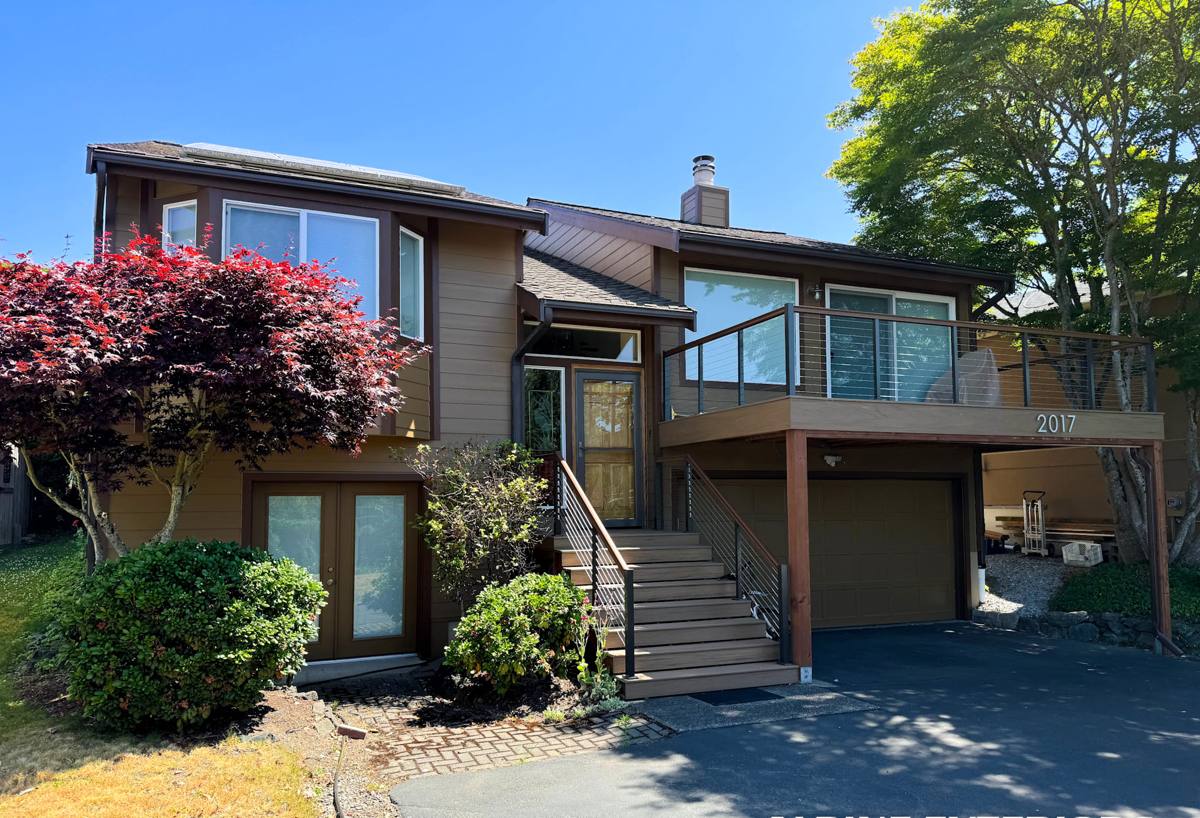
Why Metal Roofing Makes Sense for This Neighborhood
Temple Terrace has a lot of established, well-built homes — mid-century ranches, brick-and-block construction, and additions and renovations layered on over the decades. Metal roofing fits that housing stock well for a few practical reasons:
- Wind performance: A properly installed metal roof system is rated for far higher wind uplift than most aging shingle roofs, which matters when tropical storm and hurricane winds move through.
- Heat reflection: Metal reflects a significant share of solar radiant heat rather than absorbing it, which can ease the load on attic temperatures during Tampa's long cooling season.
- Debris resistance: With tree canopy comes falling branches and wind-blown debris. Metal panels, especially standing seam, shed and resist that kind of impact better than brittle or granule-based surfaces.
- Longevity relative to reroofing cycles: A well-installed metal roof is a long-term investment that reduces how often a homeowner has to go through the disruption of a full reroof.
None of that means metal is automatically the right call for every home — roof pitch, existing decking condition, budget, and HOA or architectural expectations all factor in. But for homeowners weighing durability against the climate they're actually living in, it's worth serious consideration.
Metal Isn't a One-Size-Fits-All Product
"Metal roofing" covers a range of systems with very different installation requirements and performance profiles. We walk homeowners through the real trade-offs rather than pushing one product for every roof.
| Panel Type | How It's Attached | Best Suited For | Trade-Offs |
|---|---|---|---|
| Standing seam | Concealed clips, no exposed fasteners | Homes wanting maximum wind and leak resistance | Higher material and labor cost |
| Exposed-fastener panel | Screws driven through the panel face | Budget-conscious projects, outbuildings, some main roofs | Fasteners need periodic inspection and re-torquing over time |
| Metal shingles/tiles | Interlocking panels mimicking shingle or tile look | Homeowners wanting a traditional look with metal's durability | More seams and details than standing seam; installation accuracy matters more |
What a Correct Metal Roof Installation Actually Involves
Metal roofing rewards good installation and punishes bad installation more visibly than asphalt shingles do. A poorly fastened panel or a skipped underlayment step doesn't just shorten the roof's life — it shows up as a leak, a rattle, or a panel that lifts in the next windstorm. The core steps we hold to on every job:
1. Deck Inspection and Repair
Before any panel goes down, the decking underneath gets inspected for rot, soft spots, or damage from prior leaks. Metal roofing is only as good as what it's fastened to — skipping this step is one of the most common sources of future problems.
2. Underlayment Selection
Given how much wind-driven rain the Tampa Bay area sees, underlayment isn't a place to cut corners. A synthetic or self-adhering underlayment rated for high-wind, high-moisture climates provides a secondary water barrier if wind ever drives rain up under a seam or lap.
3. Fastening and Attachment Method
Whether it's concealed clips for standing seam or exposed screws for panel systems, fastener spacing and torque are engineered to the local wind uplift requirements set by Hillsborough County's building code — not just eyeballed to "what usually works."
4. Flashing at Every Penetration
Chimneys, vent stacks, skylights, and valleys are where most roof leaks actually originate, metal or otherwise. Custom-formed flashing at these details, rather than generic off-the-shelf pieces, is what separates a roof that stays dry for decades from one that leaks within a few years.
5. Ventilation
Metal roofs perform best with proper attic and ridge ventilation. Without it, trapped heat and moisture can undercut the energy benefits of reflective metal and contribute to condensation issues underneath the deck.
How Hurricane Winds, UV, and Salt Air Specifically Affect a Metal Roof
It's worth being specific about what "climate durability" means in practice for a Temple Terrace roof:
- Wind uplift: During tropical storms and hurricanes, wind doesn't just push down on a roof — it creates uplift pressure at edges, ridges, and corners. This is why fastener pattern and edge detailing matter more than the panel material itself.
- UV degradation: Central Florida's UV load is intense nearly year-round. Paint finishes and coatings on metal panels are rated in different tiers for UV and fade resistance — a cheaper finish will chalk and fade noticeably faster than a premium coating system.
- Wind-driven rain: Rain that's being pushed sideways by wind behaves differently than rain falling straight down. It can work its way under laps and around fasteners that would never leak in calm conditions, which is exactly why underlayment and seam design matter so much here.
- Humidity and salt-tinged air: Even at Temple Terrace's inland distance from the Gulf and Bay, the region's overall humidity and occasional salt-laden air moving inland can accelerate corrosion on lower-grade fasteners and untreated cut edges over time.
Our Process, Start to Finish
- On-site inspection: We assess the existing roof, decking condition, ventilation, and any problem areas before recommending a system.
- Honest system recommendation: We walk through panel options, cost ranges, and trade-offs based on your roof's pitch, budget, and how long you plan to stay in the home.
- Permitting: Metal reroofs in Hillsborough County require permitting and inspection sign-off. We handle that process rather than leaving it to the homeowner.
- Tear-off and deck prep: Old roofing is removed, decking is inspected, and any damaged sections are replaced before underlayment goes down.
- Underlayment and flashing installation: The water-management layer goes in first, with special attention to valleys, penetrations, and edges.
- Panel installation: Panels are installed to the fastening and spacing specifications required for local wind ratings.
- Final walkthrough and inspection: We review the finished roof with the homeowner and coordinate the required county inspection.
What It Actually Costs — And What Drives the Price
Metal roofing costs more upfront than asphalt shingles, but the range varies a lot based on system type and roof complexity. Rather than quote a single number that doesn't apply to your home, here's what actually moves the price:
| Cost Factor | Why It Matters |
|---|---|
| Panel type (exposed-fastener vs. standing seam) | Standing seam requires more labor and material per square foot |
| Roof pitch and complexity | Steeper roofs, multiple valleys, and dormers all add labor time |
| Decking condition | Rot or damage found during tear-off adds repair cost before installation can proceed |
| Underlayment grade | Higher-wind-rated, self-adhering underlayment costs more than basic felt but performs significantly better here |
| Finish/coating tier | Better UV and corrosion-resistant coatings cost more but hold their appearance and protection longer |
| Ventilation upgrades | Adding or correcting ridge/soffit ventilation as part of the job affects both cost and long-term performance |
Generally, homeowners should expect metal roofing to run a meaningful premium over asphalt shingles per square foot — the payoff is in wind resistance, longevity, and reduced reroofing frequency. We give a written, itemized estimate so you can see exactly what you're paying for and why.
Maintaining a Metal Roof in This Climate
Metal roofs are lower-maintenance than shingles, but "low-maintenance" isn't "no-maintenance," especially with Tampa's storm frequency. A simple annual routine goes a long way:
- Visually inspect after major storms for lifted panels, loose fasteners, or debris caught in valleys
- Clear leaves and branches from valleys and around penetrations to keep water moving off the roof
- Check exposed-fastener systems periodically, since screws can back out slightly over time and temperature cycles
- Keep gutters clear so water isn't backing up under roof edges
- Have flashing around chimneys, vents, and skylights checked every couple of years, since these are the most common leak points regardless of roofing material
- Trim back tree limbs that hang over the roofline to reduce impact and debris buildup
Why Hiring a Crew That Already Works in Temple Terrace Matters
Roofing code requirements, wind-rating standards, and permitting processes in Hillsborough County aren't generic — they're specific to this region's storm exposure. A crew that already works locally knows the inspection process, understands how the area's tree canopy and older home construction affect a metal roof installation, and isn't learning the local requirements on your roof. That local familiarity shows up in fewer surprises during permitting, fewer callbacks for missed details, and a roof that's actually built for the storms it's going to face rather than a generic installation dropped in from somewhere else.
If you're weighing whether metal roofing is the right move for your Temple Terrace home, we're happy to take a look and give you a straightforward, no-pressure assessment. Use the form below to request a free estimate — we'll walk your roof, answer your questions honestly, and give you a real number to work from.