 Tampa Roofing
 Asphalt Shingle Roofing Built for Temple Terrace
Temple Terrace sits inland from Tampa Bay but doesn't escape what the Gulf and the Florida sun do to a roof. Between hurricane-season wind events, near-daily summer thunderstorms, and UV exposure that runs strong almost year-round, an asphalt shingle roof here works harder than the same roof would in most other parts of the country. A roof that's installed correctly for this climate will hold up. One that's installed with shortcuts, or with materials and details suited to a milder climate, tends to show problems within a few years — granule loss, curling, leaks at the flashing, or shingles that lift in a stiff afternoon storm.
This page is about one job, done right, in one area: asphalt shingle roofing for homes in Temple Terrace, in Hillsborough County. Not a general overview of every roofing option — just what actually matters for this specific job in this specific place.
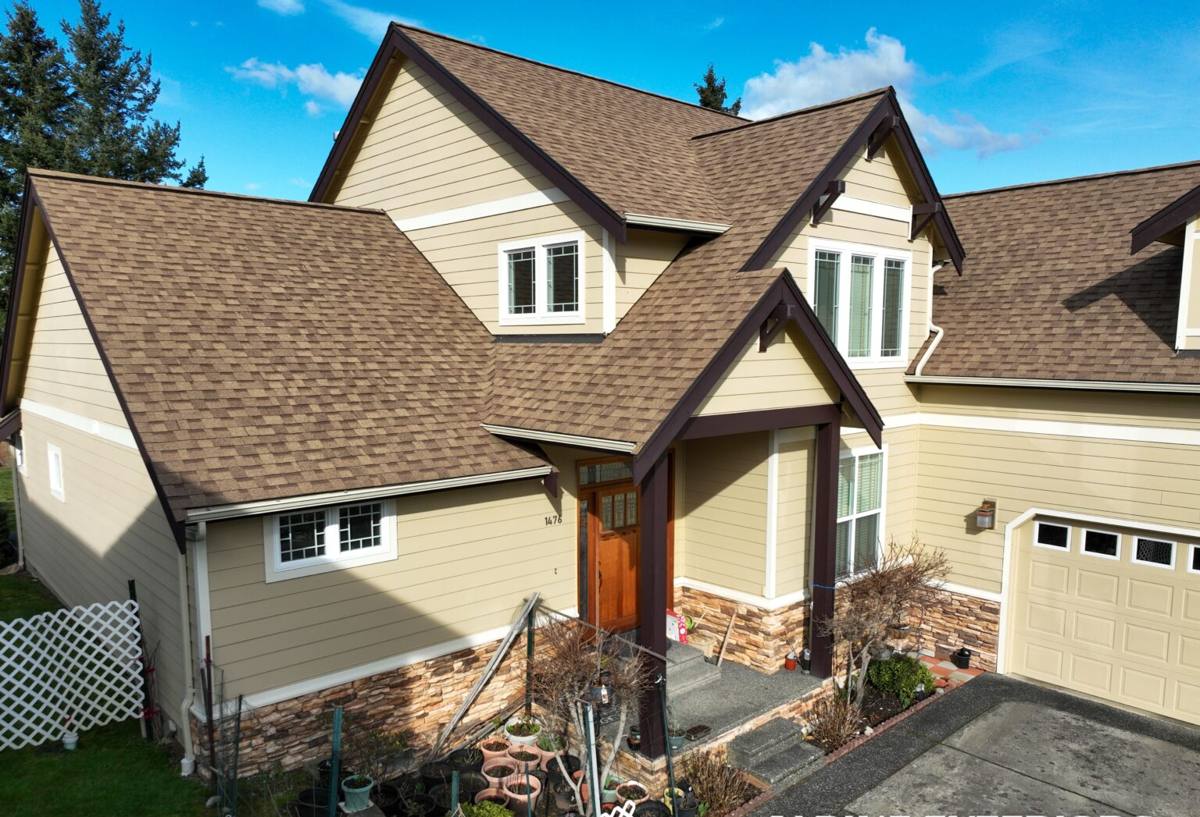
What Tampa Bay Weather Actually Does to a Shingle Roof
It helps to understand the specific stresses a Temple Terrace roof is under, because it explains why certain installation details aren't optional here even if they'd be fine elsewhere.
UV and Heat
Florida's sun is intense for most of the year, and roof surface temperatures regularly run far hotter than the surrounding air. Over time, UV breaks down the asphalt binders in shingles and degrades the granules that protect them, which is why shingle products rated for southern climates and proper attic ventilation both matter more here than in cooler states.
Wind-Driven Rain and Storms
Hillsborough County sees regular thunderstorms with gusty winds, and during hurricane season, the risk of sustained high winds and wind-driven rain goes up significantly. Wind doesn't just tear shingles off — wind-driven rain gets pushed sideways and upward under edges, ridge caps, and flashing that isn't sealed correctly, causing leaks that show up nowhere near where the wind damage actually occurred.
Humidity and Moisture Cycling
Tampa Bay's humidity means roofs rarely get a long, dry stretch to fully release trapped moisture. Underlayment quality, attic ventilation, and proper deck preparation all matter more in a climate that stays humid most of the year, since a roof system that can't manage moisture will show it in the form of deck rot, mold, or premature shingle failure.
Salt Air Influence
Temple Terrace is inland relative to the immediate coastline, but Tampa Bay's salt air still reaches homes well inland, especially with onshore winds. Salt-laden air accelerates corrosion on exposed metal — fasteners, flashing, and vent boots — which is part of why fastener and flashing material choice matters even for homes that aren't waterfront.
What a Correct Asphalt Shingle Installation Involves Here
A shingle roof is a system, not just a layer of shingles nailed to plywood. Skipping or shortcutting any part of the system is where most premature failures come from.
Deck Inspection and Prep
Before anything goes down, the roof deck needs to be checked for soft spots, delamination, or rot — common in older homes where past leaks went unnoticed. Any bad decking gets replaced before new roofing goes on top of it; covering a compromised deck just hides the problem.
Underlayment
In a climate with this much wind-driven rain, underlayment is a real second line of defense, not a formality. Self-adhered or synthetic underlayment, especially at eaves, valleys, and around penetrations, gives the roof a backup layer if wind ever lifts a shingle edge.
Nailing Pattern and Fastening
Florida Building Code sets wind-resistance requirements that affect how many nails go into each shingle and where. Correct nail placement — not too high, not too few — is one of the most common things done wrong on rushed jobs, and it's a major factor in whether shingles stay put during a windy storm.
Flashing and Edge Details
Leaks almost never happen in the middle of a shingle field. They happen at valleys, chimneys, skylights, wall intersections, and roof edges. Properly formed and sealed flashing at every one of these transitions is what actually keeps water out, regardless of how good the shingles themselves are.
Ventilation
A hot, poorly ventilated attic shortens shingle life from underneath, cooking the deck and the shingles above it. Balanced intake and exhaust ventilation helps regulate attic temperature and moisture, which matters for shingle lifespan and for keeping cooling costs down in a house that already runs its air conditioning hard most of the year.
Choosing the Right Shingle for This Climate
Not every asphalt shingle product is built the same, and the right choice depends on budget, wind rating needs, and how long you plan to stay in the home.
| Shingle Type | Typical Wind Rating | Best For | Trade-Offs |
|---|---|---|---|
| 3-Tab | Lower end of the range | Budget-conscious replacements | Shorter lifespan, less wind resistance, thinner profile |
| Architectural (Laminated) | Mid to upper range | Most Temple Terrace homes | Higher upfront cost than 3-tab, but better durability and appearance |
| Impact-Rated / Class 4 | Highest available | Homes prioritizing storm resilience or insurance credits | Higher material cost; check with your insurer on actual premium impact |
We don't push one product line as a one-size-fits-all answer. What we do is explain the honest trade-offs — installation sensitivity, warranty structure, how a given product behaves in heat and humidity over time — so the decision fits your roof, your budget, and how long you plan to be in the house.
Signs a Temple Terrace Roof Needs Attention
Most roof problems give warning signs well before a full leak shows up inside the house. Worth checking for, especially after a windy storm:
- Shingles that look curled, cupped, or are missing granules (bald patches or granules collecting in gutters)
- Cracked, torn, or lifted shingles, especially near ridges, valleys, or roof edges
- Soft or discolored ceiling spots, particularly after heavy rain
- Visible daylight or gaps around chimney, vent, or skylight flashing
- Sagging areas anywhere on the roof plane
- Granules building up faster than usual in gutters or downspouts
- A roof approaching or past the 15-20 year mark without a full inspection
Any one of these alone isn't necessarily an emergency, but they're worth having looked at before the next storm rather than after.
Our Process for Temple Terrace Homeowners
The process is straightforward and doesn't change based on how big or small the job is:
- Inspection. We look at the whole roof system — deck, flashing, ventilation, shingle condition — not just the parts visible from the ground.
- Honest assessment. We tell you what actually needs to happen: full replacement, repair, or something in between, and why.
- Clear estimate. A written quote that spells out materials, scope, and timeline, with no vague line items.
- Permitting. We handle the permit process with Hillsborough County so you don't have to navigate it yourself.
- Tear-off and deck check. Old roofing comes off and the deck gets inspected before anything new goes on.
- Installation. Underlayment, flashing, ventilation, and shingles installed to code and to manufacturer specification — not just "close enough."
- Final walk-through. We review the finished roof with you and clean the property before we consider the job done.
Permits, Codes, and What Applies Locally
Hillsborough County requires permits for roof replacement, and the Florida Building Code sets wind-resistance and installation standards that apply throughout the region. Temple Terrace homes aren't in the state's High-Velocity Hurricane Zone (that designation applies to Miami-Dade and Broward counties), but Tampa Bay is still within a defined wind-speed design zone under the statewide code, which affects fastening patterns, underlayment requirements, and, in some cases, shingle wind rating. A crew that pulls permits in this county regularly knows what inspectors are actually checking for, which avoids delays and re-inspections.
What Affects the Cost of a Shingle Roof Here
| Factor | Why It Matters |
|---|---|
| Roof size and pitch | More surface area and steeper slopes increase material and labor |
| Number of layers to remove | Tear-off of existing layers adds labor and disposal cost |
| Deck condition | Rotted or soft decking needs replacement before new roofing goes down |
| Shingle grade chosen | 3-tab, architectural, and impact-rated products carry different material costs |
| Roof complexity | Valleys, dormers, chimneys, and skylights all add flashing work |
| Ventilation upgrades | Adding or correcting attic ventilation is sometimes needed alongside reroofing |
Every one of these varies house to house, which is why we walk the roof and give a real number instead of a phone estimate.
Why It Matters to Hire a Crew That Already Works in Temple Terrace
Roofing crews that regularly work Hillsborough County know the local permitting process, understand how the area's older tree-lined neighborhoods and mature roof lines tend to be built, and have already seen how different shingle products actually perform through a Tampa Bay summer and hurricane season — not just on paper. That local track record shows up in fewer surprises during the job: fewer permit delays, fewer callbacks for missed flashing details, and a crew that shows up again if a storm causes a problem after the fact. A roof is a long-term investment in the house, and it's worth having someone install it who plans to still be around the neighborhood in ten years.
If you're dealing with an aging roof, storm damage, or just want an honest read on where your roof actually stands, we're happy to take a look. Reach out for a free, no-pressure estimate using the form below.