 Tampa Roofing
 Roof Repair Built Around Temple Terrace Conditions
Temple Terrace sits inland from Tampa Bay but doesn't escape what the bay throws at it. Roofs here deal with the same hurricane-force wind events that hit the rest of Hillsborough County, plus a heavier tree canopy than most surrounding neighborhoods. That combination — wind stress, shade, and moisture that lingers under mature trees — creates repair patterns that look different from a roof out in open sun on the other side of town. A repair that ignores those local realities tends to fail again within a season or two.
We work on roofs across the Tampa area, and Temple Terrace jobs consistently show the same fingerprint: wind-lifted shingle tabs along ridge and hip lines, granule loss and soft spots in shaded valleys where debris and moisture sit longer than they should, and flashing that's corroded faster than the shingles around it because salt-laden air off the bay doesn't stop at the city line. Understanding that pattern before we ever get on the roof is what separates a repair that lasts from one that's just a patch.
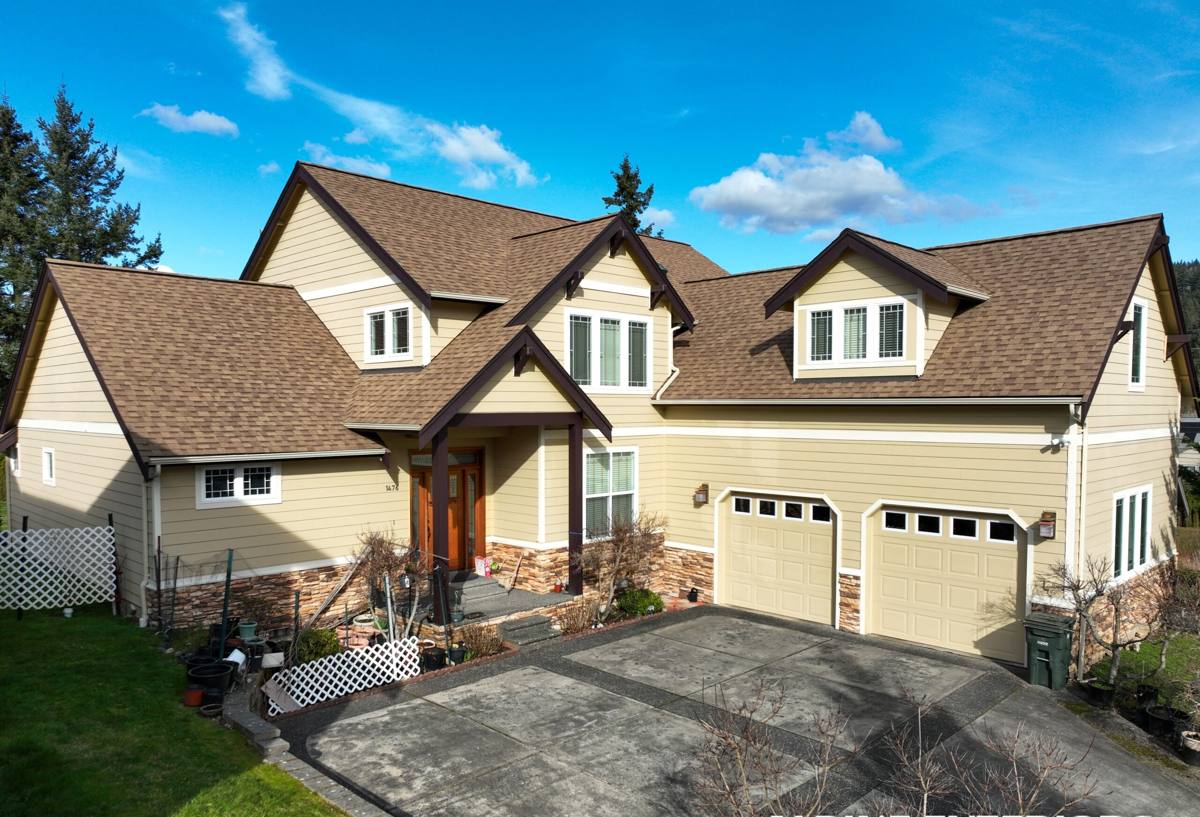
Why Temple Terrace Roofs Take Extra Abuse
Wind and Storm Exposure
Hillsborough County sits squarely in the path of Gulf tropical systems, and even a storm that doesn't make direct landfall can send hurricane-force gusts through the area. Wind doesn't just tear shingles off — it works underneath tabs and flashing edges, loosening the seal a little more with every event until a section finally gives way during the next storm.
Year-Round UV Exposure
Florida's sun is intense in every season, not just summer. UV breaks down asphalt shingle oils and dries out sealant strips over time, which is why roofs in this region age faster than the same materials would in a cooler, cloudier climate. Once shingles lose flexibility, they crack instead of flexing under wind load.
Wind-Driven Rain
Rain that comes in sideways during a storm finds every gap a repair might have missed — lifted shingle edges, undersized nail patterns, or flashing that was caulked instead of properly integrated. Wind-driven rain is usually what turns a small, unnoticed defect into an active leak.
Salt Air and Tree Cover
Being a few miles inland reduces salt exposure but doesn't eliminate it — metal flashing, fasteners, and vent components still corrode faster here than they would further from the coast. On top of that, Temple Terrace's mature tree canopy means more roofs sitting under partial shade, holding onto moisture, leaf debris, and moss growth longer after a rain than a roof in full sun would.
Signs a Temple Terrace Roof Needs Repair
Most roof failures don't happen all at once — they show warning signs for months before a leak actually shows up inside the house. Homeowners who catch these early save money, because a targeted repair now is almost always cheaper than water damage remediation later.
- Missing, cracked, or curling shingles, especially along ridges and hips where wind pressure is highest
- Granules collecting in gutters or at downspout outlets
- Dark streaks, moss, or algae patches, particularly in shaded or tree-covered sections of the roof
- Soft or spongy spots underfoot when walking the roof deck
- Rusted, lifted, or visibly corroded flashing around chimneys, skylights, and roof-to-wall joints
- Water stains on interior ceilings or in the attic, even if they're small or have dried
- Daylight visible through the roof deck from inside the attic
- Debris buildup in valleys that doesn't clear on its own after rain
The Repair Issues We See Most Often
Wind-Lifted and Missing Shingles
This is the most common call we get after any significant wind event. The fix isn't just nailing the shingle back down — if the sealant strip has failed, the shingle needs to be re-sealed or replaced outright, or it will lift again in the next storm.
Flashing Failure
Flashing around chimneys, skylights, pipe boots, and wall intersections is where the vast majority of leaks actually originate, even when the shingles nearby look fine. Corroded or improperly lapped flashing is a frequent finding on older Temple Terrace roofs, especially on homes that have been through several storm seasons without an inspection.
Valley and Debris-Related Wear
Roof valleys under or near tree cover collect leaves and organic debris that hold moisture against the shingles far longer than an open roof plane would. Over time this accelerates granule loss and can rot the underlayment beneath, which is why valley repairs on tree-covered lots are often more involved than they first appear.
Pipe Boots and Penetrations
Rubber pipe boot collars are one of the shortest-lived components on any roof in this climate — UV exposure cracks the rubber well before the shingles around it show wear. A cracked boot is a small, cheap fix if caught early, and a source of hidden interior water damage if it isn't.
What a Correct Repair Actually Involves
A roof repair is only as good as the diagnosis behind it. Patching the spot where water appeared inside the house often means fixing the wrong location, because water travels along the roof deck and framing before it drips through the ceiling. A proper repair starts above the stain, not at it.
Diagnosis Before Anything Gets Touched
We trace the actual entry point by inspecting the shingles, flashing, and underlayment in the area above and around any reported leak or damage, not just the spot where it surfaced indoors.
Matching Materials and Technique
Repairs should match the existing roofing system in material, color, and installation method wherever possible, both for appearance and so the patched section performs the same as the rest of the roof under wind load.
Rebuilding the Water Path, Not Just Sealing It
Underlayment, flashing laps, and shingle courses are layered to shed water in a specific direction. A repair has to rebuild that layered path correctly — caulk and sealant are a supplement to good flashing work, never a substitute for it.
Repair or Replacement? How We Help You Decide
Not every roof problem calls for a full replacement, and not every leak should be treated as "just a patch." The right call depends on the roof's age, how widespread the damage is, and what's happening underneath the surface layer.
| Factor | Points Toward Repair | Points Toward Replacement |
|---|---|---|
| Roof age | Under 12-15 years, otherwise in good condition | Nearing or past the material's expected service life |
| Extent of damage | Isolated to one section or a few components | Widespread across multiple slopes or the whole roof |
| Deck condition | Solid, dry decking beneath the damaged area | Soft, rotted, or repeatedly wet decking |
| Repair history | First or second repair on this roof | Recurring repairs to the same or nearby areas |
| Shingle match availability | Matching shingles still available or close enough | Discontinued profile or badly weathered/faded existing roof |
We'll walk you through where your roof falls on this list honestly. If a repair genuinely solves the problem, that's what we'll recommend — a roof that doesn't need replacing yet shouldn't be sold one.
Our Roof Repair Process
1. Inspection and Diagnosis
We get on the roof, not just in the attic or on a ladder from the ground. That's the only way to properly trace flashing, valleys, and shingle condition rather than guessing from photos or a driveway look.
2. Clear, Written Estimate
You get a written scope of what's being repaired and why, before any work starts — no vague line items and no surprise add-ons once we're on the roof.
3. The Repair Itself
Work is done to match the existing roof system's materials and installation method, with attention to the flashing and underlayment layers that actually stop water, not just the visible shingle surface.
4. Cleanup and Walkthrough
We clear debris and old materials from the property and go over the completed repair with you before we consider the job done.
Why It Matters to Hire a Crew That Works Temple Terrace Regularly
A roofer who works this specific part of Hillsborough County regularly has already seen how local tree cover, wind exposure, and building age patterns show up on roofs here. That familiarity shortens diagnosis time and avoids guesswork on things like which flashing details tend to fail first on homes of a certain era, or which roof sections take the worst of prevailing storm winds.
It also matters for paperwork. If your repair is tied to a specific storm event, having clear documentation of wind or water damage helps if you're filing an insurance claim, and a contractor experienced in this market knows what adjusters typically want to see. For homes carrying Florida's wind mitigation discounts, we're also careful that repair work doesn't inadvertently compromise the features tied to that inspection, like roof-to-wall connections or secondary water barriers.
Materials We Repair and Work With
Most Temple Terrace homes we work on are asphalt shingle, with some tile and a smaller number of metal roofs. Our approach to each is a little different:
- Asphalt shingle: The most common and generally the most straightforward to repair, provided a reasonably close material match is available.
- Tile: Repairs require care not to crack surrounding tiles and attention to the underlayment beneath, which does the real waterproofing work on a tile roof.
- Metal: Repairs focus heavily on fastener condition and seam integrity, since that's typically where leaks originate rather than the panels themselves.
Whatever the material, our standard is the same: we repair to hold up under the next storm, not just to look finished today.
Between Repairs: Simple Maintenance That Helps
A few habits go a long way toward stretching the time between repair calls, especially on a tree-covered lot:
- Keep gutters and valleys clear of leaves and debris, especially after storms
- Trim back branches that overhang or rub against the roof surface
- Have the roof looked at after any major wind event, even if nothing looks obviously wrong from the ground
- Address small issues, like a cracked pipe boot or a lifted shingle tab, before the next rainy season rather than after
If you're noticing signs of wear, dealing with a leak, or just want an honest read on where your roof stands, we're happy to take a look. Reach out for a free, no-pressure estimate using the form below.