 Tampa Roofing
 Why Temple Terrace Homes Need Windows Built for This Climate
Temple Terrace sits close enough to Tampa Bay that its homes feel the full range of what Central Florida weather can do in a single year: months of intense subtropical sun, sudden afternoon downpours that come in sideways on gusty wind, and the real possibility of a tropical system or hurricane pushing through Hillsborough County during the June-through-November season. Windows are one of the hardest-working parts of a house here, and they take that punishment every day whether anyone notices or not.
A lot of the tree-canopied, established neighborhoods in and around Temple Terrace have homes from an era when window technology, sealants, and installation standards were simply different than what's available and required today. That's not a knock on the original builders — it's just a reason older windows in this area tend to show their age faster than the same windows would in a milder climate. If yours are original to the house, drafty, foggy between the panes, or hard to open, you're not imagining it.
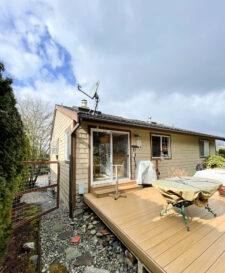
What Tampa Bay Weather Actually Does to Windows Over Time
UV Exposure, Year-Round
Florida gets strong sun essentially every month of the year, not just in summer. That constant UV load breaks down vinyl frames, dries out and cracks old glazing compounds, and fades or warps wood trim. Homeowners often notice the frames yellowing or the caulk lines around the window turning brittle and pulling away years before the glass itself fails.
Wind-Driven Rain and Moisture Intrusion
Tampa's rain rarely falls straight down. Storms in this area frequently come with enough wind to drive water sideways into any gap in the flashing or weatherstripping. Once water finds a path behind an old window frame, it doesn't dry out quickly in our humidity — that's how you end up with soft wood, stained drywall, or a musty smell near a window that "looks fine" from the outside.
Hurricane and Tropical Storm Wind Loads
Hillsborough County windows have to be able to handle real wind pressure, not just look sturdy. Older single-pane or aluminum-frame windows were rarely engineered for the wind loads current Florida Building Code requires, which means they can flex, leak, or fail under pressure well before code-compliant modern windows would.
Salt Air, Even Away from the Coastline
Temple Terrace isn't beachfront, but salt-laden air still moves inland across the Tampa Bay area, especially on windier days. Over years, that salt content accelerates corrosion on hardware, hinges, and metal components — one more reason older aluminum windows in this region tend to get stiff, pitted, or hard to lock long before their glass gives out.
Signs a Temple Terrace Home Needs Window Replacement
Not every window problem means a full replacement — but a combination of the issues below usually does. Walk your home and check for:
- Fogging or a permanent haze between panes of double-pane glass (a sign the seal has failed)
- Windows that are difficult to open, close, or lock, or that no longer sit square in the frame
- Visible daylight, drafts, or outside noise coming through around the sash
- Soft, discolored, or bubbling wood or drywall around the window frame
- A noticeable jump in cooling costs with no other explanation
- Chalky, faded, or brittle exterior caulk and weatherstripping
- Rattling or whistling during windy weather
- Visible corrosion or pitting on aluminum frames or hardware
If you're seeing two or three of these at once, it's usually cheaper in the long run to replace than to keep patching — repeated caulking and hardware repairs on a failing frame rarely hold up through another Florida storm season.
What a Correct Window Replacement Job Actually Involves
Removal and Structural Inspection
A proper job starts by removing the old window carefully and actually looking at what's behind it — the rough opening, the sheathing, and any framing members. In a humid climate like ours, this is the step that catches hidden water damage before it becomes a much bigger (and more expensive) repair down the line.
Flashing and Waterproofing Before the Window Ever Goes In
This is the step that separates a window that survives a decade of Tampa storms from one that leaks within a year or two. Correct flashing tape and sealant placement — installed in the right order, around the full opening — is what actually keeps wind-driven rain out. It's invisible once the job is done, which is exactly why it's the step some lower-bid installers rush or skip.
Proper Fastening and Anchoring
Windows need to be anchored according to their engineering specifications and the local wind zone requirements, not just "screwed in until it feels solid." Shims have to be placed correctly so the frame stays square and doesn't bind or leak once the house settles.
Sealing, Trim, and Final Weatherproofing
The visible caulk line is the last line of defense, not the first. A quality install seals both the interior and exterior properly, insulates the gap between the frame and the rough opening, and finishes the trim so it sheds water rather than trapping it.
Choosing the Right Window for a Temple Terrace Home
There's no single "best" window for every house — the right choice depends on your home's age, orientation, budget, and how much of the sun and weather that side of the house actually takes. Here's how the common options generally compare for this climate:
| Frame Type | How It Handles Our Climate | Maintenance |
|---|---|---|
| Vinyl | Good UV and moisture resistance; won't corrode; energy-efficient options widely available | Low — occasional cleaning |
| Aluminum | Strong and slim-profile, but prone to salt-air corrosion and heat transfer over time | Moderate — hardware and finish need attention |
| Fiberglass | Excellent stability in heat and humidity, holds paint well, higher upfront cost | Low |
| Wood/Wood-Clad | Classic look, but vulnerable to moisture and rot without diligent upkeep in this humidity | High |
For most Temple Terrace homes, we lean toward vinyl or fiberglass frames with impact-rated or laminated glass, simply because they hold up with the least ongoing maintenance in our combination of heat, humidity, and salt air. We'll always walk you through the honest trade-offs for your specific house rather than pushing one product line.
Impact-Rated Windows and Florida Code Considerations
Hillsborough County falls under the wind-borne debris and wind-speed provisions of the Florida Building Code, and requirements can vary depending on your home's exact wind zone and whether you're doing a like-for-like replacement or a larger renovation. Impact-rated windows — built with laminated glass that stays intact even when cracked — offer real advantages beyond storm protection: they also cut down significantly on outside noise and add a layer of security.
Impact glass isn't automatically required on every replacement project in this area, but it's worth a real conversation rather than a default assumption either way. We'll review what applies to your specific home and permit requirements before you commit to a product.
Our Window Replacement Process
- On-site visit and measurement. We look at every window being replaced, check the surrounding structure, and measure precisely — no guessing from a phone photo.
- Honest product recommendation. We walk you through frame and glass options suited to your home's exposure, budget, and the Tampa climate, without upselling products your house doesn't need.
- Permitting. Window replacement in Hillsborough County typically requires a permit; we handle that paperwork so you don't have to chase it down.
- Installation day. Careful removal, inspection of the opening, correct flashing and sealing, proper anchoring, and finish trim work.
- Final walkthrough. We check operation, seals, and cleanup with you before we consider the job done.
What Affects the Cost of Window Replacement Here
| Factor | Why It Matters Locally |
|---|---|
| Impact vs. non-impact glass | Impact-rated glass costs more upfront but reduces storm risk and can lower insurance premiums |
| Frame material | Vinyl and aluminum are typically less expensive than fiberglass or wood-clad options |
| Number and size of openings | Larger or custom-sized windows require more material and labor |
| Extent of hidden damage found | Rot or moisture damage discovered behind an old frame adds repair time before the new window goes in |
| Permitting and code requirements | Wind-zone-specific requirements can affect which products qualify |
We're upfront that window replacement is an investment, but we'll give you a clear, itemized estimate so you know exactly what you're paying for and why — no vague lump sums.
Why Hiring a Crew That Already Works in Temple Terrace Matters
A contractor who regularly works in this specific part of Hillsborough County already understands the common construction styles and window sizes found in local homes, knows what the county permitting process actually requires, and has seen firsthand what Tampa Bay humidity and storm exposure do to different products over time. That local track record means fewer surprises, faster permitting, and a crew that isn't learning the region's quirks on your project.
We treat every Temple Terrace home differently based on its age, orientation, and current condition — there's no one-size-fits-all package here, just an honest assessment of what your windows actually need.
If your windows are drafty, foggy, hard to operate, or you're simply planning ahead of the next storm season, we're happy to take a look. Fill out the form below for a free, no-pressure estimate on your Temple Terrace window replacement project.