 Tampa Roofing
 Building Decks for Davis Islands Homes
Davis Islands sits close to the water on nearly every side, which means any deck built here lives in a tougher environment than a deck built ten miles inland. Salt-laden air moves across the island constantly, afternoon sun bakes exposed wood and composite decking for most of the year, and the same low-lying position that makes the neighborhood desirable also means decks take on more wind-driven rain and occasional storm surge exposure than homes further from Tampa Bay. A deck that's built the way it would be built in a landlocked subdivision doesn't hold up the same way out here.
Tampa Roofing Co has worked on homes throughout Hillsborough County long enough to know that "deck building" isn't one job — it's a different job depending on how close you are to salt water, how much direct sun a yard gets, and what the local permitting office expects to see on a plan set. This page is about what deck building actually looks like for a Davis Islands property specifically, not a generic overview.
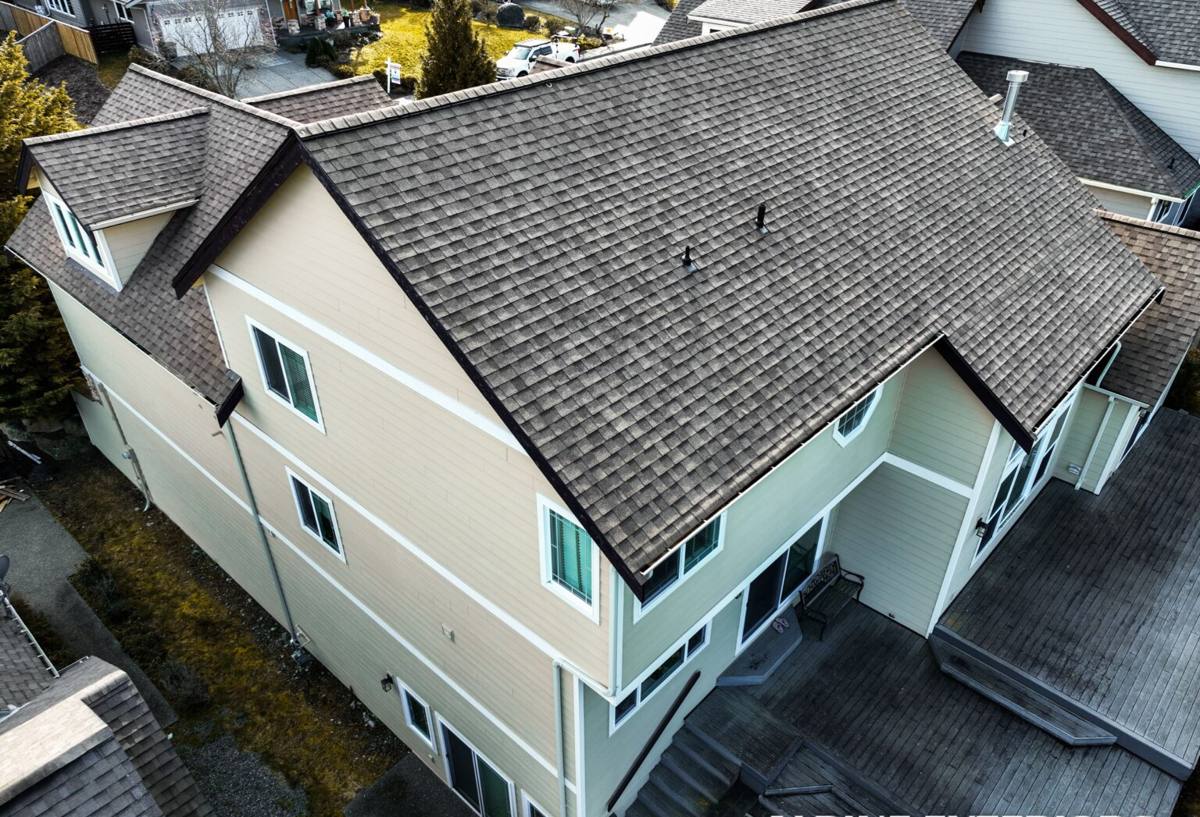
What the Climate Does to a Deck Here
Salt Air and Hardware Corrosion
The single biggest difference between a Davis Islands deck and one built further inland is what the air does to metal. Salt-laden humidity accelerates corrosion on fasteners, joist hangers, and structural connectors. A deck built with standard interior-grade hardware can start showing rust streaks and weakening connections years before a comparable deck inland would. This is a structural issue, not a cosmetic one — corroded joist hangers and fasteners are how decks fail.
UV Exposure Year-Round
Florida doesn't really have an off-season for sun. Wood decking greys and checks (small surface cracks) faster under sustained UV than most homeowners expect, and composite decking that isn't rated for high-UV climates can fade unevenly or become brittle at the surface over time. Finish selection and decking material both need to account for essentially twelve months of strong sun rather than a shorter northern summer.
Wind-Driven Rain and Storm Loads
Hurricane-force wind events are a real design consideration for any outdoor structure in this part of Florida, and a low-lying barrier-adjacent neighborhood like Davis Islands sees wind-driven rain pushed into structures that wouldn't be exposed the same way further from the water. That affects how we flash a deck ledger board against the house, how we space and fasten decking boards, and how railings and posts are attached. It also affects footing depth and connection hardware, since wind uplift on a deck structure is a real load path engineers and inspectors both look at.
What a Correct Deck Build Involves
A deck is a structure, not just a surface to walk on. The parts that matter most are mostly the parts a homeowner never sees once the job is done.
Footings and Framing
Footings need to be sized and set to local frost-and-load requirements (frost isn't a Tampa concern, but bearing capacity and hurricane uplift are), and framing lumber should be pressure-treated and rated for ground contact where it's near or in soil. Joist spacing depends on the decking material chosen — composite and PVC decking often call for tighter joist spacing than solid wood to avoid sagging over time.
Ledger Attachment
Where a deck attaches to the house is the single most common failure point on decks nationally, and it's also the point most exposed to wind-driven rain in a coastal climate. A correct ledger attachment uses proper flashing to keep water from getting behind the band board and into the house structure, plus structural fasteners or bolts rated for the load — not just nails.
Hardware Grade
Given the salt air, we treat hardware selection as a real decision rather than an afterthought — stainless steel or heavy hot-dip galvanized connectors and fasteners cost more up front than standard coated hardware, but on an island property that difference shows up as years of extra service life before anything needs attention.
Railings and Guards
Railings need to meet code height and baluster spacing requirements, and railing posts need a connection to the frame that can take lateral load — this matters more on a windy, exposed island lot than it would in a sheltered inland yard.
Decking Material Choices for This Environment
There's no single "best" decking material — there's a best material for a given budget, maintenance appetite, and exposure level. Here's how the common options compare for a Davis Islands property specifically.
| Material | Salt Air / UV Behavior | Maintenance | Typical Lifespan Here |
|---|---|---|---|
| Pressure-treated wood | Needs sealing to resist UV greying and moisture cycling; hardware should be corrosion-resistant | Re-seal or stain every 1-2 years | 10-15 years with upkeep |
| Composite decking | Look for products rated for high-UV / coastal use; lower-end composites can fade or chalk faster in this sun | Occasional washing, no sealing/staining | 20-25+ years |
| PVC/capped polymer decking | Strong UV and moisture resistance; doesn't absorb salt spray the way wood fibers can | Occasional washing | 25+ years |
| Tropical hardwood (e.g., ipe-type species) | Naturally dense and rot-resistant, but still needs oiling to prevent surface checking in constant sun | Annual oiling recommended | 20-25+ years with upkeep |
We'll walk through these trade-offs honestly during an estimate — the right call usually comes down to how much upkeep you actually want to do versus how much you want to spend up front.
Our Process on a Davis Islands Project
- On-site assessment — we look at the lot, sun exposure, proximity to water, drainage, and how the deck ties into the existing structure.
- Design and material selection — sizing, layout, and decking/hardware choices matched to budget and how exposed the site is.
- Permitting — deck additions in the City of Tampa and unincorporated Hillsborough County generally require a permit and inspection; we handle the plan submission and scheduling of inspections.
- Footings and framing — structural work built to code load and wind requirements, inspected before decking goes down.
- Decking, railing, and finish work — installed per manufacturer spacing and fastening specs for the chosen material.
- Final walkthrough — we go over care and maintenance expectations specific to the material you chose.
Permitting and Local Requirements
Deck construction in Hillsborough County, whether inside Tampa city limits or not, typically requires a building permit, a plan showing footing sizes and framing layout, and inspections at the footing/framing stage and again at final completion. Coastal and flood-zone considerations can also come into play for properties close to the water, which affects footing elevation and sometimes decking height above grade. We handle this paperwork as part of the job rather than leaving it to the homeowner to sort out — it's part of what "deck building" means when it's done properly, not an optional add-on.
Maintenance Realities for This Location
Whatever material you choose, a Davis Islands deck needs a maintenance rhythm built around salt exposure and sun, not the generic schedule you'd find in a national how-to article. A practical seasonal checklist:
- Rinse the deck surface periodically to clear salt residue, especially after storms with onshore wind
- Inspect visible hardware (railing brackets, stair connections) once or twice a year for early rust or loosening
- Check the ledger flashing area at the house connection for any signs of water intrusion after heavy rain
- Re-seal or re-oil wood decking on the schedule the product calls for — don't stretch it out in this sun
- Clear debris from between boards so moisture doesn't sit and promote mold or wood rot
- Watch for soft spots or movement in the frame, which can signal hardware corrosion below the surface
Why a Crew That Already Works This Island Matters
A contractor who mostly builds decks in dry, inland subdivisions will size hardware, flashing, and material choices around a different set of assumptions than a crew that regularly works barrier-island and near-shore properties. We've built and repaired exterior structures across the Tampa Bay area long enough to know which hardware grades actually hold up here, which decking products handle Florida UV without complaint, and how local inspectors expect a deck plan set to look. That local track record is the difference between a deck that needs attention in five years and one that's still solid in twenty.
If you're planning a new deck or replacing an aging one on Davis Islands, we're happy to come take a look, walk the site with you, and put together a straightforward estimate — no pressure, no upsell script, just an honest read on what your property needs. The form below gets you a free on-site estimate whenever you're ready.