 Tampa Roofing
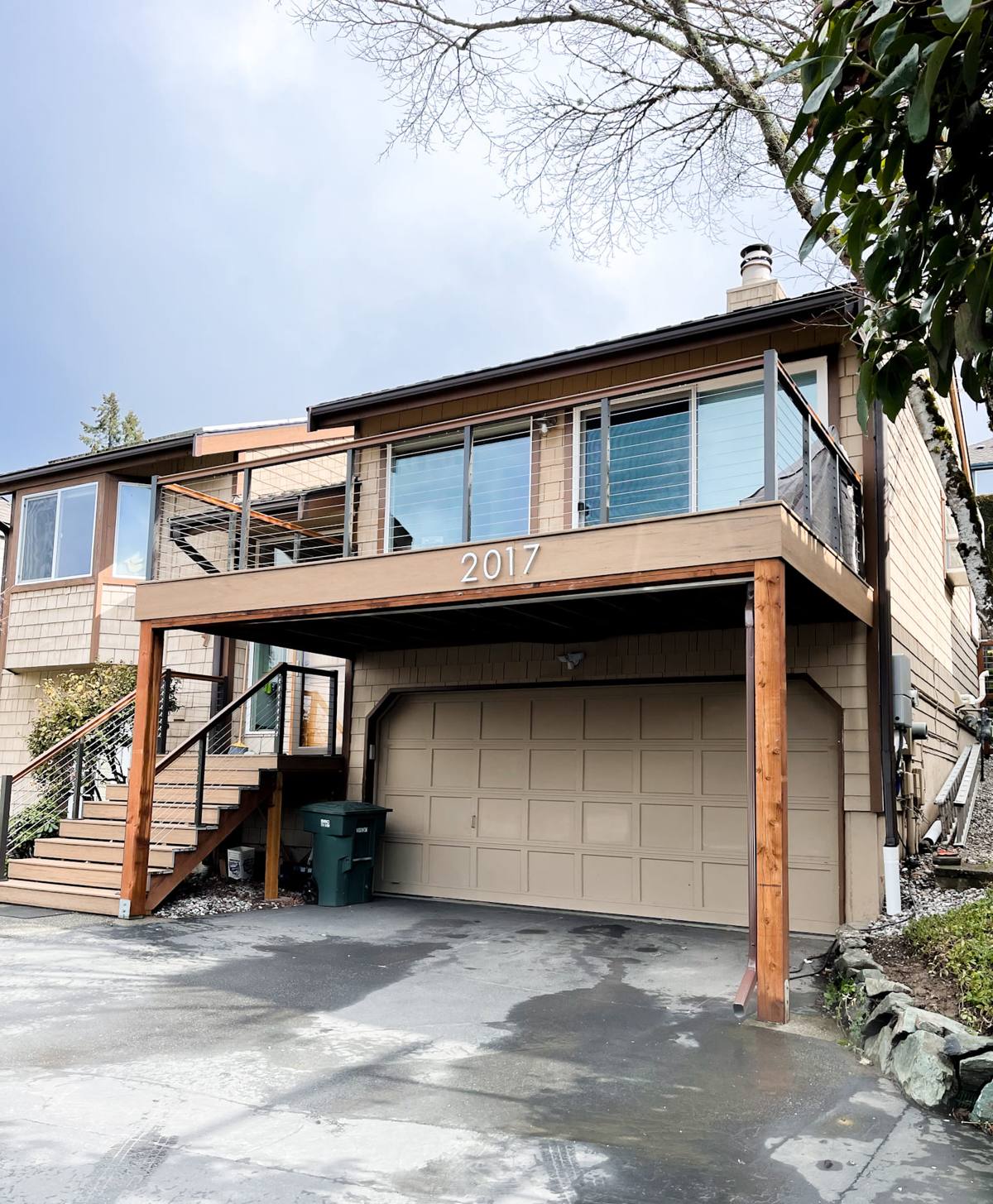
 Deck Replacement in Hyde Park: A Different Kind of Job
Hyde Park is one of Tampa's older, established neighborhoods, and that shows up in the decks we get called out to look at. Many of these homes are decades old, sit close to the water, and have decks that were built or last rebuilt long before anyone was thinking seriously about Florida's wind load requirements or how fast Gulf Coast humidity chews through untreated lumber. Replacing a deck here isn't just swapping old boards for new ones. It's an opportunity to fix the structural shortcuts that were normal thirty years ago but won't pass inspection, or hold up, today.
We treat deck replacement in Hillsborough County as a structural project first and a cosmetic one second. A deck that looks fine from the yard can still have a rotted ledger board, undersized footings, or corroded fasteners hiding underneath. In a neighborhood as close to Tampa Bay as Hyde Park, those problems tend to move faster than they would inland.
What Tampa Bay Weather Does to a Deck
Every deck in this region is fighting the same combination of stresses, and Hyde Park's proximity to the water makes most of them worse, not better.
Sun and Heat
Tampa gets intense, near year-round UV exposure. On horizontal wood surfaces like deck boards, UV breaks down surface fibers, dries out natural oils, and accelerates checking and splitting far faster than the same wood would age in a milder climate.
Humidity and Wind-Driven Rain
Afternoon storms don't just wet the top of a deck, wind-driven rain gets pushed sideways and underneath, soaking joists, ledger boards, and post bases that were never designed to dry out quickly. Add Florida's humidity and you get a structure that's damp more often than it's fully dry, which is exactly the condition wood rot and fastener corrosion need.
Salt Air
Hyde Park's location near the bay means a steady low-level exposure to salt-laden air. Salt accelerates corrosion in metal fasteners, brackets, and structural hardware, sometimes years before the visible wood shows any problem. A deck can look structurally sound while the connectors holding it together are quietly failing.
Hurricane-Force Wind
Decks attached to the house have to resist uplift and lateral load during tropical storms and hurricanes, not just support foot traffic. Undersized ledger attachment or missing hurricane hardware is one of the most common issues we find on older decks in this area, and it's not something you can see just by walking on the surface.
Signs a Hyde Park Deck Needs Replacement, Not Repair
Not every tired-looking deck needs a full teardown, but there are warning signs that mean patching individual boards is just delaying a bigger problem.
- Soft, spongy, or bouncy spots when you walk across the deck
- Visible gaps, cracking, or splitting concentrated around fastener locations
- Rust staining bleeding out around screws, nails, or brackets
- A ledger board that shows soft wood, gaps, or water staining where it meets the house
- Wobble or movement in the railing posts when pushed
- Visible sagging between joists or along the outer rim board
- Any post sitting directly in soil or a cracked, heaving footing
- A deck that was never permitted or built to current wind load requirements
If you're seeing more than one or two of these, repair usually turns into a patchwork of fixes that never fully resolves the underlying issue. A full replacement lets us rebuild the structure correctly once, rather than chasing symptoms every season.
Choosing the Right Materials for This Climate
Material choice matters more in Hillsborough County than in drier, milder climates, because sun, moisture, and salt air are working against the deck every single day of the year. There's no single right answer for every homeowner, but there are real trade-offs worth understanding.
| Material | Strengths | Trade-offs in This Climate |
|---|---|---|
| Pressure-treated pine | Lower upfront cost, widely available, easy to repair in sections | Needs regular sealing or staining; UV and humidity will still cause checking and warping over time |
| Composite decking | Resists rot, doesn't need staining, consistent appearance over the years | Higher upfront cost; surface heat can be an issue in direct summer sun; installation sensitivity around ventilation and fastening matters |
| Tropical hardwoods | Naturally dense and rot-resistant, attractive appearance | Highest material cost; requires periodic oiling; can be harder to source and repair |
| Structural framing (joists, beams, posts) | Not usually visible, but determines the deck's real lifespan | Should always be rated for ground contact and fastened with corrosion-resistant, coastal-rated hardware regardless of what decking surface you choose |
Whatever surface material you pick, we treat the framing underneath as non-negotiable. Corrosion-resistant fasteners and connectors rated for coastal exposure cost more than standard hardware, but replacing rusted brackets in five years costs a lot more than that.
What a Correct Deck Replacement Actually Involves
A deck is only as good as what's underneath it. A proper replacement addresses every layer of the structure, not just the boards you walk on.
Demolition and Inspection
We remove the old deck fully and inspect the ledger board attachment, the condition of the house's rim joist behind it, and the soil or footing conditions below. This is often where hidden moisture damage from wind-driven rain shows up.
Ledger Board Attachment
The ledger board, where the deck ties into the house, is one of the most important structural connections on the entire deck and one of the most common failure points during high wind events when it's not properly flashed and fastened.
Footings and Posts
Footings need to sit below the frost line requirements that apply locally and be properly sized for the load and soil conditions. Older Hyde Park decks were sometimes built with undersized or shallow footings that don't meet current standards.
Framing and Fasteners
Joists, beams, and posts should use lumber rated for the exposure, connected with corrosion-resistant hardware suited to this coastal air, not standard interior-grade fasteners.
Flashing and Waterproofing
Proper flashing at the ledger board and around any posts keeps wind-driven rain from working its way into the structure, which is one of the most overlooked details on older decks in this area.
Decking, Railing, and Code Compliance
The visible surface goes on last, along with railings and guards built to current code height and spacing requirements, which matters both for safety and for passing final inspection.
Permits and Hillsborough County Requirements
Deck replacement in Tampa generally requires a permit, and for good reason. Permitted work means the structural connections, footing depth, and railing requirements are checked by someone other than the crew that built it. We handle the permitting process as part of the job, and we build to the load and wind requirements that apply in Hillsborough County, not just to what the previous deck happened to have.
If your current deck was never permitted, replacing it is also a chance to bring the whole structure up to current standards rather than carrying forward decisions made before those standards existed.
Our Process From Estimate to Finished Deck
- On-site evaluation of the existing deck, ledger attachment, and any visible moisture or structural damage
- Honest recommendation on repair versus full replacement, with the reasoning explained plainly
- Material discussion based on your budget, maintenance preference, and how the deck will actually be used
- Written estimate covering demolition, structural work, materials, and permitting
- Permit filing and scheduling, coordinated around Tampa's weather patterns where possible
- Demolition, structural rebuild, decking, and railing installation
- Final walkthrough and inspection sign-off before we consider the job done
Why a Crew That Already Works Hyde Park Matters
Hyde Park's mix of historic homes, mature landscaping, and tighter lots creates real, practical challenges that a crew unfamiliar with the neighborhood hasn't already worked through. Material staging and access often have to be planned around narrow driveways, established trees, and neighboring properties set close together. Older homes in this part of Tampa also frequently have rim joists, siding, or foundation details that are different from newer construction, which affects how the ledger board connection has to be handled.
A crew that has already done this work in the neighborhood knows what to expect before pulling up the first board, which means fewer surprises, fewer change orders, and a more accurate estimate from the start.
Keeping Your New Deck Ahead of the Weather
A correctly built deck still needs some upkeep in this climate. Wood surfaces benefit from resealing or restaining on a regular schedule to fight UV breakdown. Composite surfaces should be cleaned periodically to prevent salt residue and organic buildup from dulling the finish. Hardware and fasteners are worth a visual check after major storms, since loosened connections are easier to fix early than after they've caused secondary damage. None of this is complicated, but skipping it is how a well-built deck ends up needing early repairs anyway.
If your Hyde Park deck is showing its age, or you're not sure whether it's a repair or a replacement situation, we're happy to take a look and give you a straight answer. Fill out the form below for a free, no-pressure estimate.