 Tampa Roofing
 Why Ybor City Siding Takes More Punishment Than Most
Ybor City sits close enough to Tampa Bay, and squarely enough in a hurricane-prone corridor, that its homes deal with a combination of stresses most siding materials were never designed to handle at once. It isn't one bad season — it's the cumulative effect of wind, sun, rain, and salt working on the same wall year after year.
Hurricane-Force Wind and Wind-Driven Rain
Tropical systems and the strong squall lines that move through Hillsborough County don't just push wind against a wall — they drive rain sideways into every seam, joint, and fastener hole. Siding that isn't installed with the right clearances, flashing, and fastener pattern will let that water behind the cladding, where it can sit against sheathing and framing long after the storm passes.
Intense, Year-Round UV
Florida's sun load is relentless and doesn't really take a season off. Painted wood and many composite siding products chalk, fade, and become brittle under that kind of constant UV and heat cycling. A finish that looks fine at installation can start failing within a few years if it wasn't formulated for this climate.
Salt Air and Humidity
Ybor City's proximity to Tampa Bay means a steady dose of salt-laden, humid air. Salt accelerates corrosion of fasteners and trim, and humidity keeps organic siding materials damp longer between rain events, which is exactly the condition mold and rot need to take hold.
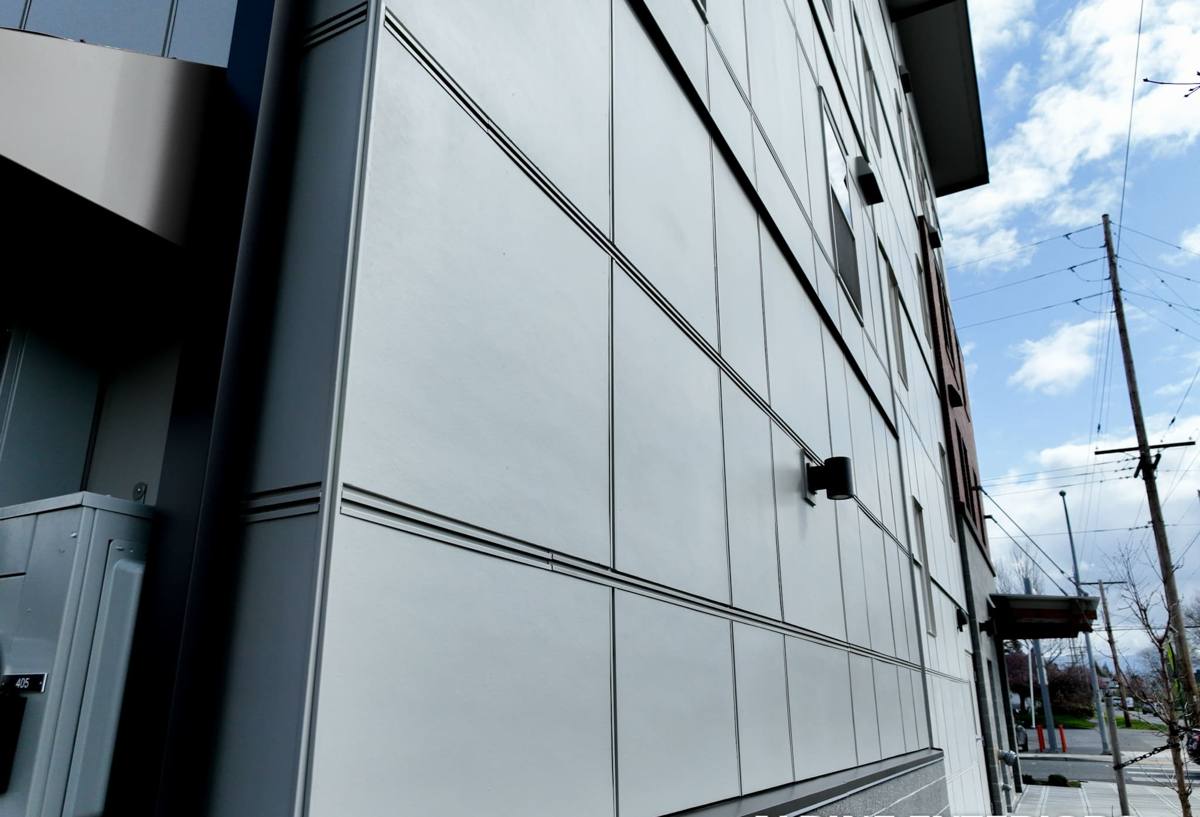
Ybor City's Housing Stock Adds Its Own Wrinkles
Ybor City is one of Tampa's oldest neighborhoods, known for its historic bungalow and shotgun-style homes originally built for the area's cigar-industry workforce. That history matters when it comes to siding work:
- Many of these homes were originally sided in wood, and some have since been covered with vinyl or other retrofit siding that's now past its useful life.
- Lots tend to be narrow, with homes set close together, which affects staging, access, and how flashing and trim details tie into neighboring structures.
- Portions of Ybor City fall within a designated historic district, which can mean additional review before you change exterior materials, colors, or trim profiles. If your home is in that district, it's worth confirming what's required before any siding work begins — we can help you figure out whether your property falls under those guidelines.
None of this makes siding replacement harder in a bad way — it just means the job needs to be planned with the house's age and neighborhood context in mind, not treated like a generic re-side.
Why We Install Only James Hardie Fiber Cement Siding
We don't install LP SmartSide, vinyl, Cemplank, Allura, or primed wood siding. That's a deliberate standard, not a lack of options. On a coastal, storm-exposed, high-UV market like Tampa, the trade-offs of those products — moisture sensitivity, UV degradation, or field-applied finishes that depend heavily on installer skill — show up faster than they would somewhere milder. James Hardie's fiber cement is what we've standardized on because it holds up to exactly the conditions Ybor City throws at it:
- Non-combustible material — fiber cement won't ignite from embers or radiant heat, which matters during Florida's dry season.
- HZ5 climate-engineered formulation — Hardie's HZ product line is engineered for regions with high humidity and moisture exposure, which describes the Tampa Bay area well.
- ColorPlus factory finish — baked-on, UV-cured color applied under controlled factory conditions holds up better against constant sun exposure than most field-applied paint, and it comes backed by its own finish warranty.
- Rigid, dimensionally stable board — it doesn't expand, contract, or warp with humidity swings the way wood and some composites do, which keeps joints and caulk lines intact longer.
- Strong, transferable warranty — when installed to Hardie's specifications, the product carries a long-term warranty that can transfer to a future owner, which is worth something if you ever sell.
What a Correct James Hardie Installation Actually Involves
Fiber cement siding is only as good as the installation behind it. Hardie's own published installation requirements are specific, and skipping steps is where most siding failures — of any brand — actually start.
Before the Siding Goes Up
Old siding and any compromised sheathing need to come off so the crew can actually see the wall. Rotted sheathing or framing gets replaced, not covered up. A code-compliant weather-resistive barrier goes over the sheathing, with all penetrations and seams properly sealed and lapped so water sheds downward and outward.
Flashing and Water Management
Every window, door, and roof-to-wall transition needs proper flashing integrated with the barrier system — this is the detail that determines whether wind-driven rain stays out or finds its way behind the siding. Bottom starter strips and correct clearances above grade, decks, and roof lines keep water from wicking up into the boards.
Fastening and Joints
Hardie specifies fastener type, spacing, and placement, and those specs get tighter in higher wind zones like ours. Board joints get treated per Hardie's requirements — not just butted and caulked — and expansion gaps are respected so the material can perform the way it's engineered to.
Trim and Finish Details
Corner boards, trim, and caulking are the details that either blend into the house or telegraph a rushed job. On older Ybor City homes especially, matching trim profiles to the home's existing character matters for how the finished product actually looks.
What Drives the Cost of a Siding Project
Every home is different, but these are the main factors that move the price up or down on a typical Ybor City siding job:
| Factor | Why It Matters |
|---|---|
| Home size and wall complexity | More square footage, gables, and dormers mean more material and labor |
| Condition of existing sheathing | Rot or water damage found during tear-off adds repair scope before new siding goes on |
| Removal of old siding | Stripping old wood or vinyl takes more time than working over a fresh wall |
| Trim and architectural detail | Bungalow and shotgun-style trim, porch details, and corner work add labor |
| Historic district requirements | Homes in Ybor's historic district may need specific materials, profiles, or colors reviewed before work starts |
| Color and finish selection | Factory ColorPlus finishes vary in cost by line and color depth |
Our Process, Start to Finish
- On-site inspection — we look at your current siding, trim, and sheathing condition, and take note of anything historic-district-related that applies to your property.
- Written estimate and product selection — we walk you through Hardie's lines, colors, and trim options that fit your home.
- Tear-off and prep — old siding comes off, damaged sheathing gets replaced, and the weather barrier goes on correctly.
- Installation to Hardie's written specifications — fastening, flashing, clearances, and joint treatment done to spec, not shortcuts.
- Trim, caulking, and final finish — details that make the house look intentional, not patched.
- Final walk-through — we go over the finished work with you before we consider the job done.
Questions Worth Asking Before You Hire Anyone
Whether you call us or someone else, these are the questions that separate a contractor who knows fiber cement from one who's guessing:
- Are you installing to the manufacturer's written specifications for this climate zone, not just "how we always do it"?
- What weather-resistive barrier and flashing details are you using at windows, doors, and roof lines?
- What's your fastener schedule, and does it account for our local wind exposure?
- Is my home in a historic district, and if so, what do I need approved before work starts?
- What does the warranty actually cover, and is it transferable if I sell the house?
Why a Crew That Already Works Ybor City Matters
Siding work in an older, historically significant neighborhood isn't the same as siding a new-construction subdivision. A crew that already works in Ybor City understands the mix of building ages, knows to check whether a property falls under historic district guidelines before ordering materials, and is familiar with how Hillsborough County permitting and wind-zone requirements apply to this specific area. That familiarity shows up as fewer surprises mid-project — not a change order because nobody checked the district rules first, and not a callback because the flashing wasn't detailed for our storm pattern.
If you're thinking about re-siding a home in Ybor City, we're happy to take a look and walk you through what your specific house needs — no pressure, no obligation. Request a free estimate and we'll give you a straight answer on scope, materials, and cost.