 Tampa Roofing
 Asphalt Shingle Roofing for Lutz Homes
Lutz sits in the northern part of the Tampa Bay area, and roofs here take a different kind of beating than roofs a few hundred miles inland. Between the tropical humidity, the long stretch of intense UV exposure, seasonal tropical storm and hurricane risk, and the wind-driven rain that comes with Gulf Coast weather systems, an asphalt shingle roof in this area has to do more than just shed water. It has to hold together under wind uplift, resist granule loss from constant sun, and keep moisture out of the deck even when rain is coming in sideways.
Asphalt shingles remain one of the most practical roofing choices for this area when they're specified and installed correctly. They're cost-effective, widely available, easy to repair in sections, and — with the right underlayment and fastening — can meet the wind ratings this region calls for. The problems we see almost always trace back to installation shortcuts, not the material itself: wrong nailing pattern, missing or undersized starter strip, poor ventilation, or underlayment that wasn't rated for the wind and rain this area actually gets.
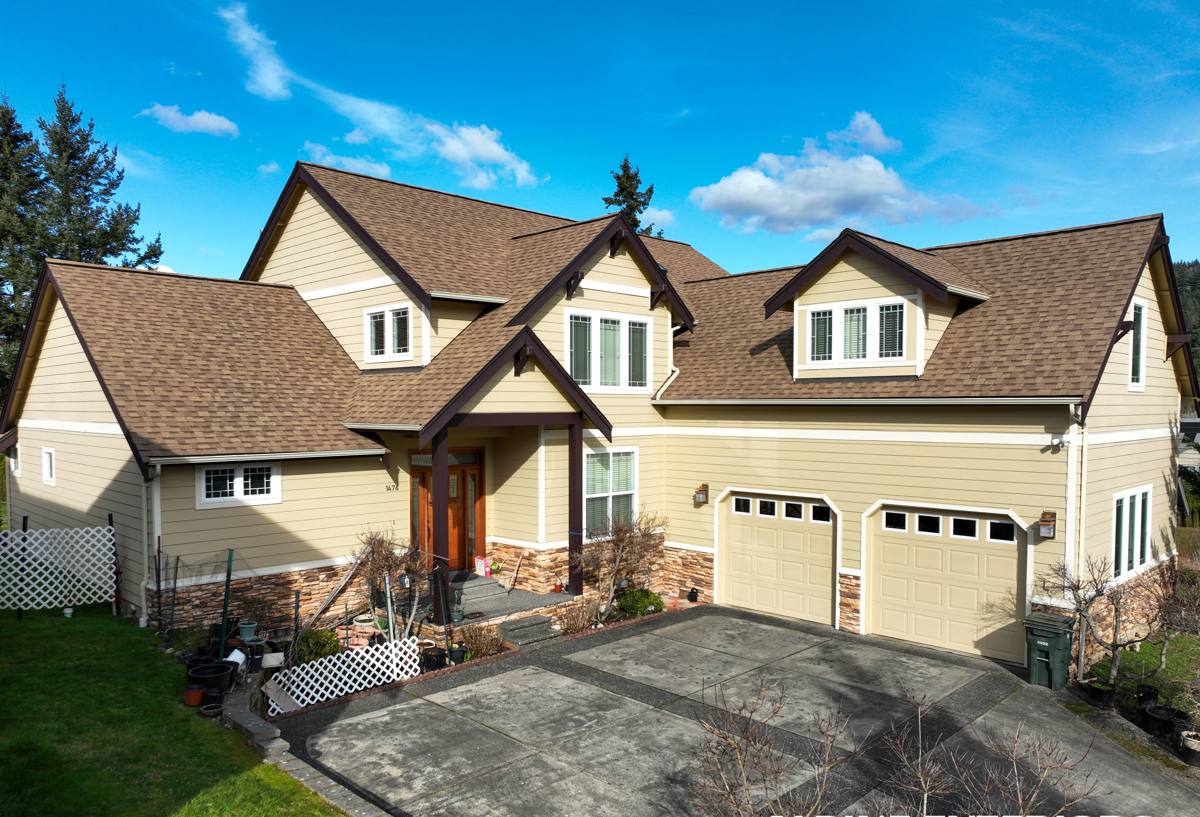
What Hillsborough County's Climate Does to a Shingle Roof
Understanding the failure points helps explain why the installation details matter so much here.
Wind
Tampa Bay is squarely in a hurricane-influenced wind zone. Shingles are wind-rated, but that rating only holds if every shingle is nailed in the correct location with the correct number of fasteners, and if the starter course and hip/ridge caps are sealed and secured properly. A roof that looks fine in a light storm can lose shingles in a strong one if the install cut corners.
UV and Heat
Central Florida gets sun exposure most of the year. UV breaks down asphalt oils over time and degrades the granules that protect the shingle mat underneath. Attic heat compounds this — a poorly ventilated attic can push shingle temperatures well above ambient, accelerating aging from underneath as well as from the sun above.
Wind-Driven Rain
It's not just how much rain falls here, it's the angle it comes in at during storms. Wind-driven rain can work its way under shingles and through fastener penetrations that would be fine in a calmer climate. This is where underlayment choice and flashing detail work matter more than the shingle brand itself.
Humidity and Moisture
Consistent humidity means any moisture that does get past the shingle layer has a harder time drying out. Trapped moisture in a deck leads to rot, and rot is what turns a simple reroof into a structural repair.
What a Correct Asphalt Shingle Roof Installation Involves
A shingle roof is a system, not a single layer. Skipping any part of the system shortens the life of the whole roof, no matter how good the shingles themselves are.
Deck Inspection and Prep
Before anything goes down, the deck gets inspected for soft spots, delamination, and rot — especially around any prior leak areas. Bad decking gets replaced, not covered up. Nailing new shingles over a compromised deck doesn't hold, and it hides a problem that gets worse.
Underlayment
This is the roof's real waterproofing layer, and it's what stands between the deck and any wind-driven rain that gets past the shingles. For this climate, that generally means a synthetic underlayment rated for the wind exposure, with self-adhering membrane at eaves, valleys, and other vulnerable transitions.
Flashing
Chimneys, walls, skylights, and roof-to-wall transitions are where most leaks actually originate — not the open field of shingles. Flashing has to be formed and installed correctly at every one of these points, not just caulked and hoped for.
Ventilation
Proper intake and exhaust ventilation keeps attic temperatures down and lets moisture escape instead of condensing under the deck. This directly affects both shingle lifespan and the comfort/energy cost of the home below it.
Nailing Pattern and Starter Strip
Manufacturer specifications exist for a reason, and in a wind-driven region they're not optional. Correct nail count, placement, and a properly sealed starter strip at the eaves are what actually determine the roof's real-world wind performance — regardless of what the shingle's rated for on paper.
Choosing a Shingle for a Wind- and Sun-Exposed Climate
Not every shingle line is built the same way, and the right choice depends on budget, wind exposure, and how long the homeowner plans to stay in the home.
| Shingle Type | Typical Wind Rating | Best Fit | Trade-Offs |
|---|---|---|---|
| 3-tab (standard) | Lower end of rated range | Budget-conscious reroofs | Shorter lifespan, less impact resistance, thinner profile |
| Architectural / dimensional | Mid-to-high, varies by line | Most Lutz homes | Higher upfront cost than 3-tab, better durability and appearance |
| Impact-resistant (Class 4) | High, plus impact rating | Homes prioritizing storm resilience or insurance credits | Highest material cost; check with your insurer on premium credit availability |
We'll walk through actual product lines, warranty terms, and installed pricing during the estimate — this table is meant to frame the decision, not replace that conversation.
Our Process, Start to Finish
- Inspection and estimate — we look at the deck, ventilation, flashing points, and current shingle condition, and give a straight answer on repair versus replacement.
- Written scope — materials, underlayment type, flashing work, and ventilation changes are spelled out before any work starts, so there are no surprises mid-job.
- Deck repair — any soft or rotted decking is replaced before underlayment goes down.
- Underlayment and flashing install — the waterproofing layer and all transition points are completed and checked before shingles go on.
- Shingle installation — installed to manufacturer spec for this wind zone, including starter strip, nailing pattern, and hip/ridge detail.
- Cleanup and walkthrough — magnetic sweep for nails, debris removal, and a final walkthrough so you know exactly what was done.
Signs a Lutz Roof Needs a Look
Most shingle roof problems give warning signs well before a full leak shows up inside the house. Worth checking for:
- Granules collecting in gutters or at downspout outlets
- Shingles that look curled, cupped, or cracked, especially on the sun-exposed side of the roof
- Missing shingles or exposed nail heads after a storm
- Dark streaking or staining across the shingle surface
- Soft spots underfoot or sagging in the roofline
- Water stains on interior ceilings, especially near chimneys, skylights, or wall transitions
- Visible daylight through the attic decking or soffit
Any one of these is worth a professional look before the next heavy rain or storm system moves through.
Maintenance That Actually Extends Roof Life Here
Asphalt shingle roofs in this climate benefit from a light annual check rather than a wait-until-it-leaks approach. Clearing debris from valleys, keeping gutters flowing so water doesn't back up under the eaves, trimming overhanging branches that scrape shingles in wind, and having flashing points checked after major storms all add real years to a roof's service life. None of this replaces a full inspection, but it catches small issues — a lifted shingle edge, a gap in sealant — before they become deck-level problems.
Why a Crew That Already Works This Area Matters
Roofing code requirements, permitting, and wind-zone specifications are tied to Hillsborough County, and a crew that works this area regularly already knows what inspectors look for and what actually holds up here versus what just looks good on a spec sheet. Familiarity with local suppliers also means fewer delays getting the right underlayment or shingle line in stock, which matters when a storm has damaged a roof and the home needs to get dried in quickly. There's no substitute for a crew that's already installed and repaired roofs on homes like yours, in this same wind and rain exposure.
Cost Factors to Expect
| Factor | Why It Affects Cost |
|---|---|
| Roof size and pitch | More surface area and steeper slopes increase labor and material |
| Deck condition | Rotted or soft decking requires replacement before shingles go on |
| Shingle tier | 3-tab, architectural, and impact-rated products carry different material costs |
| Number of penetrations | Chimneys, skylights, and vents each require additional flashing work |
| Layers to remove | Tear-off of existing layers adds labor beyond a single-layer install |
| Ventilation upgrades | Adding or correcting intake/exhaust vents adds scope but improves lifespan |
We won't quote a number without seeing the roof — anyone who does is guessing. What we can tell you is that the line items above are what actually move the price, and we'll break each one out in the written estimate so you know what you're paying for.
If your Lutz home is due for a new roof or you're seeing early warning signs on the one you have, we're happy to take a look and walk you through what we find — no pressure, no obligation. Use the form below to request a free estimate.