 Tampa Roofing
 Storm Damage Roof Repair Built for New Tampa
New Tampa sits inland from the bay but still takes a direct hit every hurricane season. Tropical systems, spin-off tornadoes, and the summer thunderstorm pattern that rolls through Hillsborough County almost daily from June through September all put wind, hail, and wind-driven rain on the same roofs, sometimes several times in one season. A roof that looks fine from the driveway can be hiding lifted shingles, cracked tile, or a compromised underlayment that only shows itself as a ceiling stain weeks later. Storm damage repair in New Tampa isn't a one-size-fits-all job — it starts with knowing what this specific climate does to a roof over time and inspecting for it accordingly.
This page covers what we actually do when a New Tampa homeowner calls after a storm: what we look for, how we document it, how repairs get done correctly the first time, and what to expect from the insurance side of things.
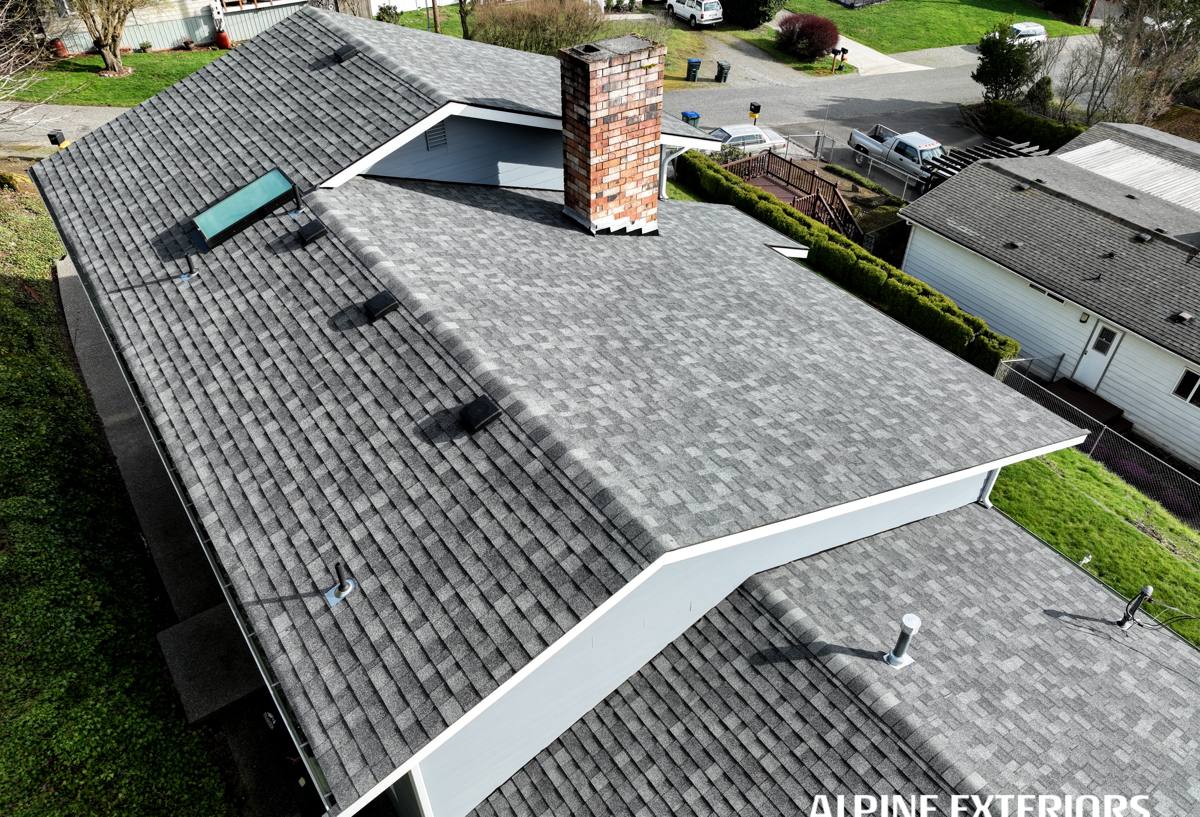
What Tampa-Area Storms Actually Do to a Roof
Wind
Sustained tropical-storm and hurricane-force winds don't just rip shingles off outright — more often they work underneath the tab seal, break the adhesive bond, and leave shingles loose but still nailed down. That looks fine until the next storm finishes the job, or rain starts working its way under the loosened tab. On tile roofs, wind uplift can crack tiles at the nail or foam-set point, or shift entire courses out of alignment without a single tile visibly missing.
Wind-driven rain
Straight-down rain is rarely the problem here — it's rain coming in sideways during a storm that finds every gap in flashing, every lifted shingle edge, and every aging pipe boot. Wind-driven rain can push water uphill under shingles and past standard flashing details that would hold up fine in a calmer climate.
Hail
Hail isn't as constant a threat in this area as it is farther north, but Hillsborough County does see hail-producing storms, and even pea- to marble-sized hail can bruise asphalt shingles, knocking granules loose and softening the mat underneath. That damage is often invisible from the ground and shows up years later as premature wear in exactly the spots that got hit.
UV and heat
Between storms, Tampa's near year-round intense sun is doing its own slow damage — baking out the oils in asphalt shingles, making them brittle and more prone to cracking under wind stress, and accelerating the breakdown of sealants at flashing and penetrations. A roof that's already UV-stressed takes storm damage worse than a newer one, which is part of why age matters as much as the storm event itself.
Salt and humidity
New Tampa is inland relative to the bay, but Hillsborough County's overall humidity and periodic salt-laden air still contribute to faster corrosion on exposed metal — nail heads, flashing, and vent stacks — which is one more thing we check after any significant wind event.
Signs of Storm Damage Worth Getting Checked
- Shingles that look curled, lifted at the corners, or visibly out of line with the surrounding field
- Granules collecting in gutters or at downspout outlets after a storm
- Cracked, slipped, or missing roof tiles, even just one or two
- New or worsening ceiling stains, especially near exterior walls or around chimneys and skylights
- Soft spots when walking a flat or low-slope section
- Bent, lifted, or missing flashing around chimneys, vents, and roof-to-wall joints
- Debris punctures or dents on metal roofing or vent caps
- Visible daylight through the attic decking, or damp insulation
Any one of these is a reason to get a professional look before the next storm turns a minor repair into a full deck or interior repair.
Our Storm Damage Repair Process
1. Rapid assessment
After a storm, we prioritize active leaks and safety hazards — exposed decking, damaged flashing, loose material that could become debris in the next wind event. We inspect the whole roof system, not just the obviously damaged section, because wind and hail damage is often scattered.
2. Emergency tarping when needed
If there's an active leak or exposed decking, we get it weather-tight first. A properly installed tarp — secured correctly, not just draped and screwed at random points — buys time without creating new penetration points that cause their own leaks later.
3. Documentation
We photograph and document damage in a way that holds up for insurance review: close-up and wide shots, clear notes on location and extent, and a written scope of what's damaged versus what's simply aged. This step matters as much as the repair itself if you're filing a claim.
4. Repair plan and code compliance
We write up what actually needs to happen — spot repair, larger section replacement, or in some cases a recommendation that full replacement is the more honest answer once repair costs approach replacement value. All repair work is done to current Florida Building Code requirements for this wind zone, not just matched to what was there before.
5. The repair
We match materials and installation method to what the existing roof needs — correct nailing pattern, proper flashing integration, and underlayment that's actually tied into the surrounding roof system rather than patched on top of it. A storm repair that isn't integrated into the roof correctly just becomes the next leak point.
Repair vs. Replacement: How We Help You Decide
| Factor | Leans Toward Repair | Leans Toward Replacement |
|---|---|---|
| Roof age | Under half of expected service life | Nearing or past expected service life |
| Damage extent | Isolated to one section or a few penetrations | Scattered across multiple slopes |
| Underlayment condition | Intact where exposed during inspection | Brittle, torn, or failing in multiple spots |
| Prior storm history | First significant event on this roof | Multiple storms with cumulative unaddressed wear |
| Insurance scope | Adjuster approves repair-level scope | Adjuster or contractor documentation supports full slope or full roof |
We'll give you a straight answer on which side of that table your roof falls on — we don't push replacement when a repair genuinely solves the problem, and we won't recommend a patch job on a roof that's clearly at the end of its useful life.
Working With Your Insurance Company
Hillsborough County homeowners deal with insurance claims after storms often enough that most people already know the basics, but a few things matter specifically for storm damage repair: adjusters need to see damage that's clearly tied to a specific storm event, not general wear presented as storm damage. That's why our documentation focuses on distinguishing the two honestly. We'll meet an adjuster on-site if that's useful, and we'll provide a detailed written scope and photos your insurer can review — but we don't inflate estimates or claim damage that isn't there. An honest scope holds up better under review than an inflated one, and it's the right way to do this regardless.
Why a New Tampa-Familiar Crew Matters
New Tampa has a lot of newer construction and a lot of HOA-governed communities, which means roof repairs sometimes come with specific material or appearance requirements on top of the building code baseline. A crew that already works in this area knows to check for those before starting, not after a homeowner gets a letter from their HOA. We're also familiar with Hillsborough County permitting requirements for roof repair work, which keeps the job compliant and avoids problems if you sell the home later and a buyer's inspector asks for permit history.
Beyond paperwork, local experience means we've already seen how New Tampa's specific mix of tile, dimensional shingle, and metal roofing on both older and newer builds tends to fail after wind events in this area — which makes the initial inspection faster and more accurate.
What a Correct Storm Repair Includes
- Full-roof inspection, not just the section that looks damaged from the ground
- Attic check for water intrusion, staining, or damp insulation
- Flashing inspected and resealed or replaced at every roof penetration in the repair area
- Matching or appropriately compatible materials, correctly fastened to current code
- Underlayment tied into surrounding roof, not just patched over
- Written scope and photo documentation you can keep for insurance or resale records
- A clear explanation of what was repaired and why — no vague invoice line items
Preventing the Next Round of Damage
Once a storm repair is done, a few habits keep New Tampa roofs holding up better against the next event: keep gutters clear so wind-driven rain has somewhere to go, trim back tree limbs that could come down on the roof in high wind, and get a roof checked after any named storm even if nothing looks obviously wrong. Given how much UV exposure this area gets, an annual inspection outside of storm season is also worth it — catching a brittle seal or a loose tab before hurricane season starts is a lot cheaper than an emergency tarp call during one.
If your New Tampa roof took a hit in a recent storm, or you just want a professional set of eyes on it before the next one, we're glad to come take a look. Reach out for a free, no-pressure estimate using the form below.