 Tampa Roofing
 What Westchase Homes Actually Need From Their Siding
Westchase sits inland from Tampa Bay in northwest Hillsborough County, and homeowners there sometimes assume that distance from open water buys them a break from Florida's harder weather. It doesn't buy much. The same storm systems that push wind-driven rain across the bay keep moving once they cross the shoreline, hurricane-force gusts don't stop at a subdivision line, and the sun beating down on a Westchase roofline in July is the same sun cooking a house on the water. Siding here has to manage four things at once: sustained high wind loads during storm season, UV exposure that runs nearly twelve months a year, rain that hits walls sideways instead of falling straight down, and a persistent film of salt-tinged, humid air that settles into fastener heads, caulk joints, and anything not built to shrug it off.
Most siding problems we see on Hillsborough County homes aren't sudden failures — they're slow ones. A caulk joint that dries out and cracks under UV, a fastener that starts to corrode, a panel edge that never quite dried out after the last tropical system. None of that shows up on a drive-by inspection. It shows up five or ten years later as a soft spot behind the wall. Getting the installation right the first time is what keeps that timeline from ever starting.
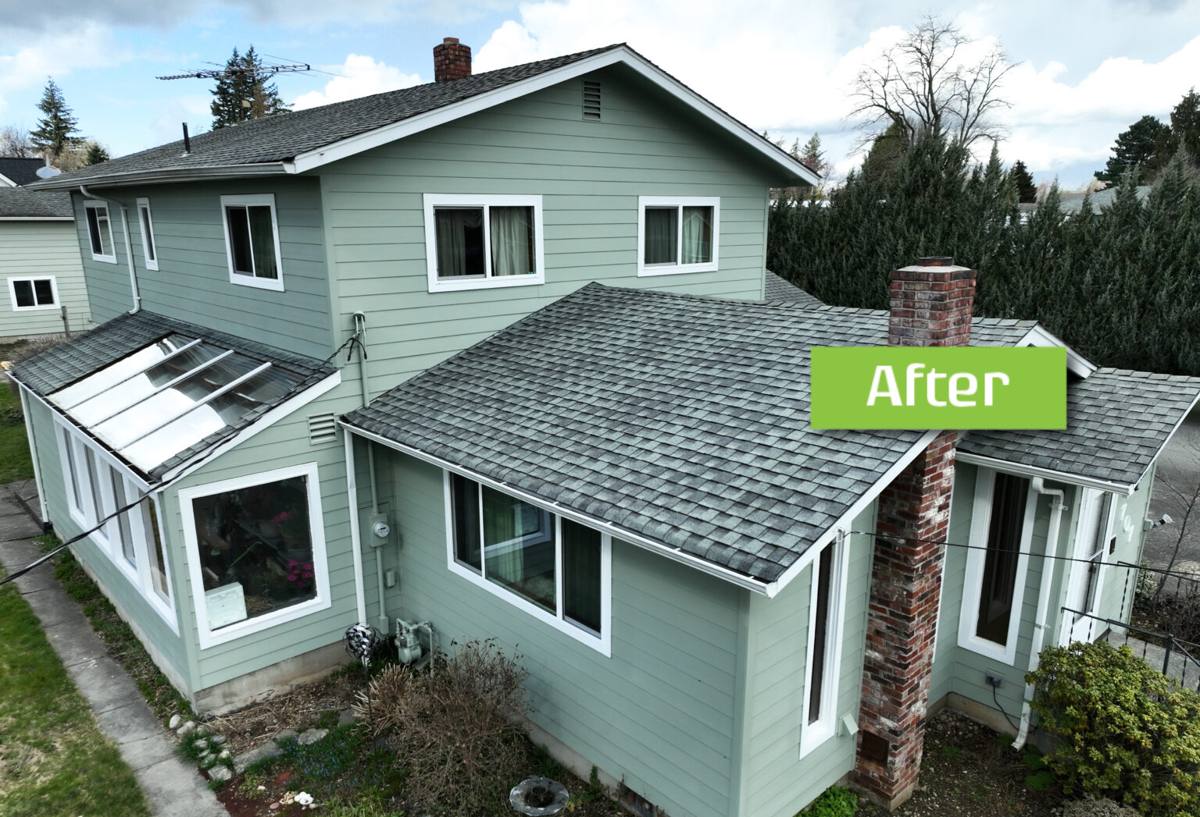
Westchase's Housing Stock and What It Means for a Siding Job
Construction Style and Age
Westchase is a planned community built out mostly from the 1990s into the 2000s, which means most homes share a similar era of Florida construction: wood-frame walls with stucco or original siding over house wrap, concrete block on the ground floor in many two-story plans, and roof-to-wall details that were built to the code of their decade rather than today's wind standards. A siding replacement is a chance to correct anything that era's building practices got wrong — but only if the crew doing the work actually looks for it instead of covering old problems with new material.
HOA and Architectural Standards
Like most master-planned communities in this part of Hillsborough County, Westchase neighborhoods generally operate under homeowners' association architectural guidelines that govern exterior color palettes, trim details, and sometimes the material itself. A contractor unfamiliar with that process can turn a straightforward siding job into a paperwork delay — submitting the wrong color documentation, missing an approval step, or picking a finish that gets flagged after the crew has already started. Knowing the approval process before the estimate is even finished is a small thing that saves real time.
What a Correct Siding Installation Actually Involves
"Siding installation" sounds like one task, but it's really four or five disciplines stacked on top of each other, and skipping any one of them is what turns a 30-year product into an eight-year problem.
Tear-Off and Sheathing Assessment
Old siding has to come off cleanly, and whatever's underneath — sheathing, house wrap, framing — has to be inspected before anything new goes up. In a humid climate like Tampa's, it's common to find sheathing that's absorbed moisture slowly over years without any visible sign from inside the house. A contractor who prices siding without ever planning to look underneath is pricing a guess, not a job.
Moisture Barrier and Flashing
A properly lapped water-resistive barrier behind the siding, plus flashing at every window, door, and roof-to-wall intersection, is what actually keeps wind-driven rain out of the wall assembly. The siding itself sheds most of the water; the barrier and flashing behind it handle what gets past that first layer, which in a storm-prone market is not a rare event. These details don't appear as their own line item on a bid, but they're the difference between a wall that performs through hurricane season and one that doesn't.
Fastening for Wind Resistance
Siding rated for high-wind zones only performs to that rating if it's fastened the way the manufacturer specifies — correct fastener type, spacing, and depth, driven into solid framing rather than just sheathing. An overdriven or misplaced fastener doesn't just look sloppy; it's a point where the whole panel can fail under a sustained gust. In a county that sits in an active hurricane corridor, this is not a detail to leave to whichever crew member has the nail gun that day.
Trim, Clearances, and Finish Work
Clearances off the roofline, decking, and grade keep siding from wicking water at its most vulnerable edges. Corner boards, window and door trim, and soffit and fascia work usually get bundled into the same project, and how cleanly those transitions are cut and sealed is often the most visible sign of a careful installer versus a fast one.
Comparing Siding Materials for a Tampa Climate
Homeowners in Westchase typically compare the same handful of options. Here's an honest look at how each one actually holds up under sustained Florida sun, humidity, and storm wind — not just what it costs to put up.
| Material | Relative Installed Cost | How It Holds Up in Tampa's Climate |
|---|---|---|
| Vinyl siding | Lowest | Can soften, warp, or fade under sustained heat and intense UV; panels can loosen or blow off under high wind loads |
| LP SmartSide (engineered wood) | Moderate | Wood-strand substrate depends on every cut edge and fastener hole staying sealed; year-round humidity gives it little time to dry out between rain events |
| Primed cedar or spruce | Moderate to high | Genuine wood look, but repaint cycles run short in intense UV and humid, storm-prone conditions |
| James Hardie fiber cement | Moderate to high | Non-combustible, factory-baked ColorPlus finish, HZ10 formulation engineered specifically for hot, humid, storm-exposed climates like Tampa Bay |
None of the lower-cost options are defective products — they're built for a range of climates, and some of them perform fine in milder markets. Tampa Bay isn't a mild market. It's sustained heat, near-constant UV, humidity that rarely lets up, and a storm season that tests every seam and fastener on the house. That combination is exactly why we standardized on one product instead of offering several.
Why We Only Install James Hardie Fiber Cement
We made a deliberate decision years ago to stop installing multiple siding brands and put our crews, training, and inventory behind one manufacturer. The reasoning is straightforward: a crew that installs five different products is splitting its attention across five different spec sheets, and in a climate this demanding, the installation details matter as much as the material itself.
James Hardie's fiber cement is cement, sand, and cellulose fiber — an inorganic mix that doesn't rot, swell, or feed insects, and it's non-combustible. The company engineers its HZ10 product line specifically for hot, humid, hurricane-exposed regions, which is exactly the profile of Hillsborough County and the greater Tampa Bay area. The factory-applied ColorPlus finish is baked on under controlled conditions rather than brushed on at the jobsite, so it holds color and resists fading far longer than field-applied paint under Florida's UV load. It's backed by a strong, transferable manufacturer warranty, which matters if you sell the house before the siding's useful life is up.
We're not going to tell you vinyl or engineered wood are junk — they're not, and plenty of homes around the country wear them fine. What we will tell you is that after years of tear-offs and service calls in this exact climate, we stopped seeing a good reason to install anything else on a Westchase home, and we built our business around the one product that consistently held up to what this area actually throws at a house.
Our Process for a Westchase Siding Installation
- Site visit and assessment. We look at the existing siding, note visible trouble spots, and give you an honest read on what we expect to find once tear-off starts.
- Written estimate. Scope, product line, color, trim work, and warranty terms spelled out in writing — including HOA color documentation if your section of Westchase requires it.
- Tear-off and sheathing check. Old material comes off, and any soft or damaged sheathing gets identified and repaired before anything new goes up.
- Moisture barrier and flashing. Water-resistive barrier and flashing at every penetration and transition, photographed before it's covered by siding.
- Installation to manufacturer spec. Correct clearances, fastening pattern, and cut-edge sealing on every board, not just the ones that show.
- Final walkthrough and documentation. You get the manufacturer's warranty paperwork plus our own workmanship warranty in writing before we consider the job finished.
What Drives Cost on a Westchase Siding Project
A siding estimate is built from more than square footage. Here's what actually moves the number on a house in this area.
| Cost Factor | Why It Matters |
|---|---|
| Home size and wall complexity | Gables, dormers, and multiple wall planes add cutting, trim, and flashing work beyond a simple rectangular footprint |
| Condition of existing sheathing | Hidden moisture damage found during tear-off requires repair before new siding can go up correctly |
| Story count and access | Two-story sections, common in many Westchase floor plans, require more scaffolding and staging time |
| Trim and architectural detail | Corner boards, window and door trim, and soffit/fascia work vary widely between otherwise similar-sized homes |
| HOA-driven color or material specs | Approved color documentation and any material restrictions can affect product selection and timeline |
| Fastener and flashing specification | Corrosion-resistant fasteners and full flashing details cost more upfront but matter more in this climate than in a drier, milder one |
Why Local Experience in Westchase Matters
A crew that's already worked in Westchase knows the practical realities before the estimate is finished: how the HOA architectural approval process typically runs, what permitting looks like through Hillsborough County, and how to schedule a project so a wall isn't left exposed during an active weather window. That's not a marketing point — it's the difference between a project that moves smoothly and one that stalls on paperwork or gets caught with an open wall when a storm rolls through.
Local experience also means knowing which failure patterns to look for on tear-off in this specific area versus a drier or more sheltered market. A crew that's mostly worked inland, low-humidity climates doesn't automatically know what wind-driven rain does to a poorly flashed window head, or how quickly a small gap turns into a real problem when it's tested by a full Florida storm season instead of an occasional rain shower.
Questions to Ask Before You Hire
Whether you hire us or another contractor, here's what we'd want answered before signing anything:
- Are they licensed and insured in Florida? Verify it directly rather than taking a business card's word for it.
- Do they specialize in one siding product or several? A contractor spread across multiple brands is spread across multiple spec manuals.
- Can they describe their flashing and moisture-barrier approach in specific terms? Vague answers here are a bigger red flag than any price difference.
- Have they worked in Westchase or similar HOA communities before? They should be able to describe the approval process without guessing.
- Is the warranty — manufacturer and workmanship — provided in writing before you sign? Verbal assurances don't hold up if a problem shows up later.
- Do they document what's behind the siding before it's covered up? Photos of flashing and barrier work are a simple way to verify the job was done right.
If you're weighing a siding replacement for your Westchase home, we're happy to walk the property, give you a straight assessment of what we find, and provide a written estimate with no pressure attached. Use the form below to schedule a free estimate.