 Tampa Roofing
 Why Town 'n' Country Siding Wears Out Faster Than It Should
Homes in Town 'n' Country sit in one of the more demanding climates in the country for exterior materials. Hillsborough County gets hurricane-force wind gusts most years, not just during a named storm — squall lines and summer thunderstorms alone can push sustained winds hard enough to flex panels, work fasteners loose, and drive rain sideways into seams that were never meant to get wet. Layer on Tampa's near year-round UV exposure, which breaks down pigments, plastics, and adhesives faster than almost anywhere else in the continental U.S., and it's easy to see why siding that looks fine on a spec sheet can fail early once it's actually on a house here.
Salt air is the other factor homeowners underestimate. Town 'n' Country isn't waterfront, but Tampa Bay's salt influence carries well inland on prevailing winds, and it accelerates corrosion on fasteners, trim, and any material that isn't built to handle it. None of this means siding is a lost cause in this climate — it means the material and the installation both have to be matched to what the climate actually does to a house, not what the material does in a lab test somewhere else.
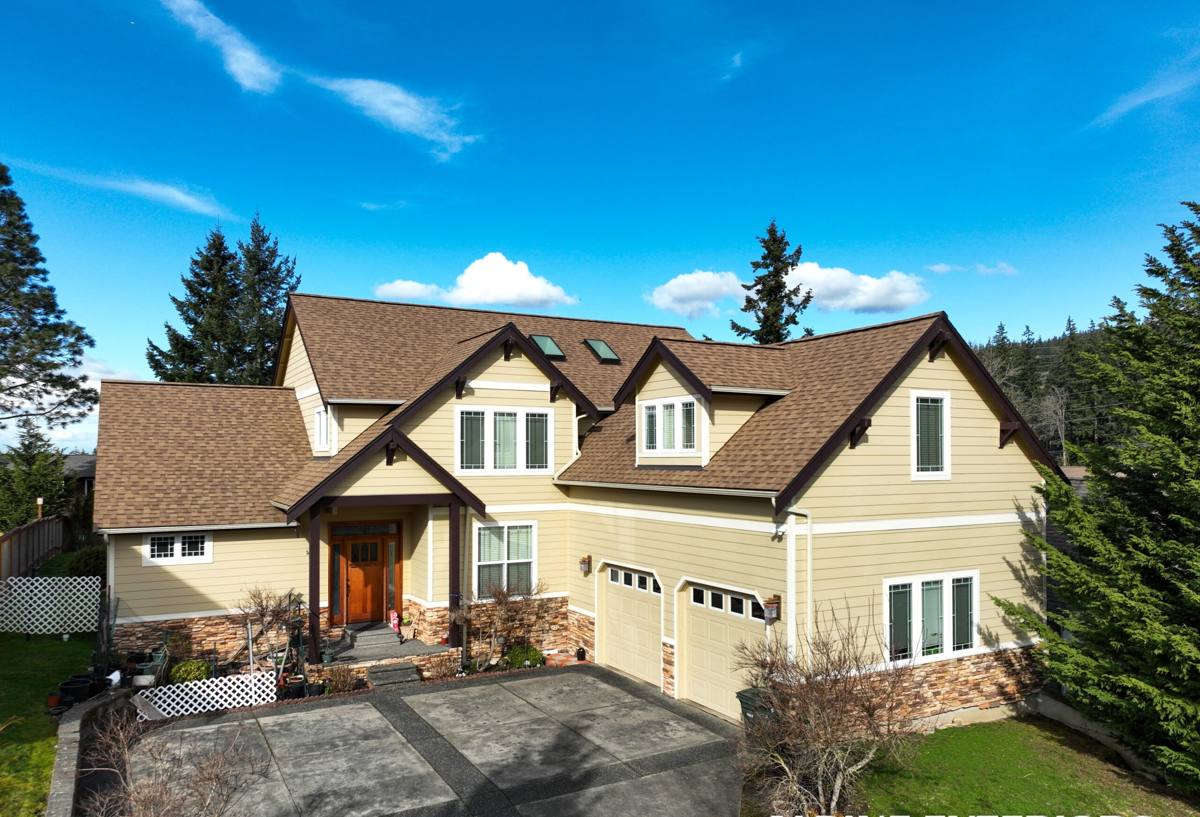
How Common Siding Materials Actually Perform Here
Every siding material has a marketing pitch. What matters is how it behaves after five, ten, twenty years of Tampa sun, wind, and moisture. A few patterns show up consistently:
- Vinyl siding can warp, buckle, or discolor under sustained UV and heat, and its panels rely on clips and expansion gaps that are more vulnerable to being torn loose or lifted in high wind than a mechanically fastened material.
- Untreated or minimally treated wood and cedar face constant moisture pressure in a humid climate, plus Florida's termite and wood-decay pressure, which shortens their practical service life without an aggressive maintenance schedule.
- OSB-core engineered wood products (like LP SmartSide) perform reasonably when every seam, cut edge, and fastener is sealed exactly to spec — but the core is wood-based, so any breach in that seal lets moisture in, and the damage isn't always visible until it's advanced.
- Primed spruce and other softwood trim products need repainting on a short cycle to keep water out, which is a real ongoing cost most homeowners don't budget for.
This is exactly why we standardized on one product rather than offering the full menu.
Why We Install Only James Hardie Fiber Cement
James Hardie fiber cement siding is engineered around cement, sand, and cellulose fiber rather than wood pulp or vinyl resin, which changes how it behaves in heat, humidity, and wind. It doesn't feed termites, it doesn't soften in the sun, and it's non-combustible — a real advantage in a state where wildfire-adjacent construction standards are becoming more common in coastal and county codes.
Climate-Engineered for This Region
Hardie makes region-specific formulations through its HardieZone system rather than a single national product, and the version specified for Gulf Coast Florida is built around resistance to high humidity and moisture cycling — the exact stress Town 'n' Country siding is under for most of the year. That's a meaningful difference from a generic siding product engineered for a drier or more moderate climate and shipped everywhere.
ColorPlus Finish
Most Hardie siding we install uses the factory-applied ColorPlus finish rather than field paint. It's baked on under controlled conditions rather than rolled or sprayed on-site, which gives more even coverage and better UV and fade resistance than a standard field-applied paint job — a real advantage under Tampa's sun exposure.
The Warranty Backing It
James Hardie backs its siding with a long-term, transferable limited warranty, and the ColorPlus finish carries its own separate finish warranty. That structure matters to us because it only holds up if the product is installed to Hardie's documented specifications — which is a large part of why we install this one system rather than several.
What a Correct Siding Replacement Actually Involves
Siding replacement is not just pulling off old panels and nailing up new ones. On a Tampa-area home, the work underneath the visible surface is what determines whether the job holds up through the next decade of storms. A correct job includes:
- Full tear-off of the old siding and a real inspection of the sheathing underneath for rot, water staining, or insect damage — not a quick visual pass from the ground.
- Repair or replacement of any compromised sheathing before anything new goes back on, since new siding over damaged sheathing just hides a problem that keeps getting worse.
- A properly lapped and sealed weather-resistive barrier, installed so water is directed out and down rather than trapped behind the siding.
- Correct flashing at every window, door, and penetration — the single most common point of failure on siding jobs done wrong.
- Fastening to Hardie's documented pattern for the local wind exposure category, using the correct fastener type and spacing rather than a generic nail schedule.
- Proper clearance between the siding's bottom edge and grade, roofing, decks, and other trim, so water doesn't wick up into the board.
- Field-cut edges sealed and touched up so the cut end of a board isn't left exposed to moisture.
Correct Installation vs. Common Shortcuts
| Step | Done Correctly | Common Shortcut |
|---|---|---|
| Sheathing | Inspected and repaired before re-siding | Covered over without inspection |
| Fasteners | Spec'd for wind exposure category, corrosion-resistant | Generic nail schedule, standard fasteners |
| Flashing | Integrated at every window, door, and penetration | Reused or skipped to save time |
| Cut edges | Sealed and touched up per manufacturer spec | Left raw or lightly caulked |
| Clearance | Proper gap from grade, roofline, and trim | Siding run tight to grade or roofing |
Our Process for Town 'n' Country Projects
1. On-Site Assessment
We walk the exterior, look at the existing siding and trim, and check for signs of moisture intrusion, prior storm damage, or sheathing issues before we ever talk product or price.
2. Product and Color Selection
We review Hardie's board profiles — lap siding, shingle-style panels, board-and-batten — and the ColorPlus palette against the home's style and any HOA guidelines that may apply in the neighborhood.
3. Permitting
Siding replacement in unincorporated Hillsborough County requires permitting, and we handle that process rather than leaving it to the homeowner, including the wind-load documentation the county expects for exterior work.
4. Installation
Tear-off, sheathing repair where needed, weather barrier, flashing, and siding installation follow in sequence, with each stage checked before the next begins rather than rushed to hit a closing date.
5. Final Walk-Through
We walk the finished job with the homeowner, confirm trim and caulking details, and handle site cleanup before calling the project done.
What Drives the Cost of a Siding Replacement
Every home is different, so we won't publish a number that doesn't apply to your house — but the real cost drivers are consistent from project to project:
| Factor | Why It Matters |
|---|---|
| Square footage of exterior wall | Sets the baseline material and labor quantity |
| Condition of existing sheathing | Hidden rot or water damage adds repair scope once uncovered |
| Siding profile and trim details | Board-and-batten, shingle accents, and custom trim take more labor than plain lap siding |
| Number of stories and accessibility | Second-story and hard-to-access walls take longer and need more equipment |
| Tear-off material | Some existing materials come off faster and cleaner than others |
| Color and finish selection | Factory ColorPlus finishes and specialty colors can affect material cost |
Maintaining Your Siding After Installation
One advantage of fiber cement over other materials is how little upkeep it actually needs when installed correctly — but "little" isn't "none." A short seasonal routine keeps it performing the way it's designed to:
- Rinse the exterior with a garden hose a few times a year to clear salt residue, pollen, and dust buildup.
- Walk the exterior after any major wind event and look for loose boards, cracked caulking, or dislodged trim.
- Check caulked joints around windows, doors, and corners annually and re-caulk any that have cracked or pulled away.
- Keep gutters clear and downspouts directed away from the wall line so water doesn't run down the siding constantly in one spot.
- Keep landscaping and irrigation heads from spraying directly on the siding or trapping moisture against it.
Why Hiring a Crew That Already Works in Town 'n' Country Matters
Siding installation isn't generic work — the right fastening pattern, wind detailing, and moisture management depend on the specific exposure conditions of the home's location, and a crew that already works this neighborhood has seen how these homes are actually built, from the mix of block construction with wood-framed additions to the range of home ages common in the area. That familiarity shows up in faster, more accurate assessments, fewer surprises once tear-off starts, and a permitting process that moves through Hillsborough County without unnecessary delays. It also means a shorter response time if a homeowner needs a post-storm inspection or follow-up down the road, rather than waiting on a crew that has to drive in from across the region.
If your siding is showing its age, took storm damage, or you're simply planning ahead of the next hurricane season, we're happy to take a look and walk you through what your home actually needs. Reach out for a free, no-pressure estimate — someone from our crew will assess the house in person and give you a straight answer, not a sales pitch.