 Tampa Roofing
 Why South Tampa Homes Put Extra Stress on Windows
South Tampa sits close enough to the bay and the Gulf that homes here take a different kind of beating than houses further inland. Between hurricane-force wind events, intense year-round UV exposure, wind-driven rain during summer storms, and the slow corrosive effect of salt air, windows in this part of Hillsborough County age faster than the manufacturer's brochure usually admits. A window that might give twenty trouble-free years in a drier, cooler climate can start failing at the seals or hardware in half that time here if it wasn't chosen and installed with this environment in mind.
That's the real argument for custom windows in South Tampa: not that "custom" sounds nicer, but that most homes in this area have openings, exposures, and structural quirks that off-the-shelf stock sizing and generic installation methods don't handle well over the long run.
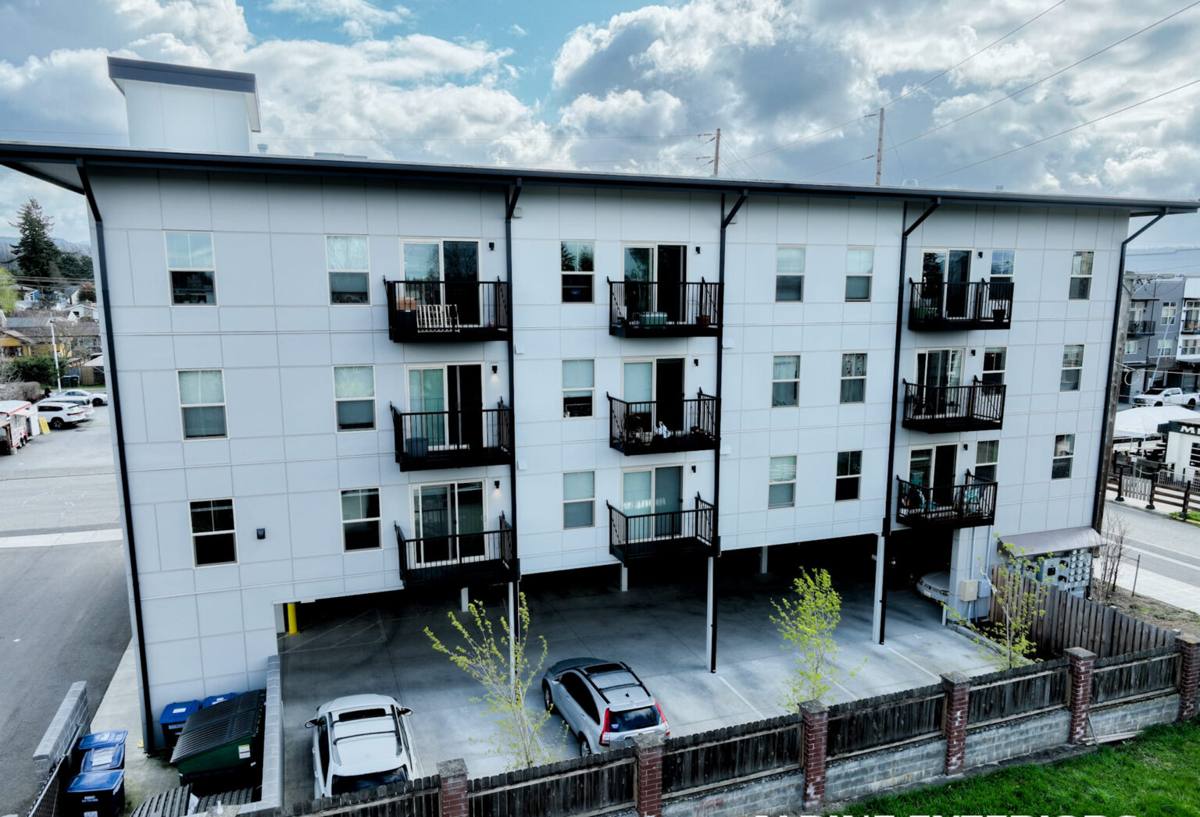
What "Custom" Actually Means for This Kind of Job
Openings That Aren't Standard Sizes
A lot of South Tampa housing stock predates modern standardized window sizing. Bungalows, older ranch homes, and additions built at different times often have openings that are slightly out of square, non-standard dimensions, or a mix of both within the same house. Custom windows are built to the actual opening after it's measured and assessed — not forced into a stock frame with shims and extra caulk to make up the difference.
Matching Product to Exposure, Not Just to Style
Custom also means matching the glass package, frame material, and hardware to which side of the house the window is on. A west-facing wall taking full afternoon sun for years needs a different glass spec than a shaded window on the north side. A window near ground level exposed to salt-laden air and lawn irrigation overspray needs different frame and hardware choices than one on a covered, upper-level wall.
Frame Materials: What Holds Up Here and What Doesn't
Every frame material has real trade-offs in a hot, humid, salt-air climate. None of them are bad products across the board — the question is whether a given material fits the specific exposure, budget, and maintenance appetite of the homeowner.
| Frame Material | Coastal/UV Performance | Maintenance | Typical Trade-Off |
|---|---|---|---|
| Vinyl | Good UV stability with quality-grade vinyl; won't corrode | Low — no painting, occasional cleaning | Can expand/contract more in extreme heat swings; limited to certain color ranges |
| Fiberglass | Excellent — stable in heat, resists warping | Low | Higher upfront cost than vinyl |
| Aluminum | Strong structurally, but standard aluminum can corrode faster in salt air unless properly coated | Moderate — coating and hardware need periodic checks | Thinner sightlines, but corrosion resistance depends heavily on coating quality |
| Wood-clad | Attractive, but the wood core is the most vulnerable to humidity and moisture intrusion if the cladding or seals fail | Highest — requires vigilance on seals and any exposed wood | Best for covered, low-exposure openings rather than direct salt/UV exposure |
We'll walk through which material actually fits each opening on your house rather than defaulting to one product line for the whole job. A shaded window on a covered porch and an exposed second-story window facing open air don't need the same answer.
Glass and Wind Performance: What Hillsborough County Requires
Florida's building code sets wind load and glazing requirements based on where a property sits relative to coastal wind zones, and South Tampa's proximity to the water means these requirements matter here more than they would twenty miles inland. Depending on your specific location and the permit requirements that apply to your address, this can mean impact-rated glass, laminated glass, or an approved protective system paired with standard glass.
We pull the actual permit requirements for your address rather than assuming — Hillsborough County's coastal wind provisions aren't identical block to block, and guessing wrong on this either costs you money on over-spec'd glass or creates a real problem if you ever need to file an insurance claim after a storm. Getting the wind rating and impact rating documented correctly at installation also matters for insurance premium credits, which is worth confirming with your carrier once the work is done.
Beyond Wind: UV and Heat Load
Even ignoring storm season, Tampa's UV exposure is intense enough that low-E glass coatings aren't a luxury upgrade here — they're what keeps interior finishes, flooring, and furniture from fading prematurely and keeps cooling costs from climbing every summer. We spec glass packages based on which direction a window faces, not a single blanket spec for the whole house.
Our Installation Process
- On-site assessment. We check each opening for square, look at existing flashing and water intrusion history, and note sun exposure per elevation.
- Measurement and product selection. Custom units are built to the actual opening; we walk through frame material, glass package, and hardware options per window, not as a single package deal.
- Permitting. We pull the correct permits for your address based on current Hillsborough County and Florida Building Code requirements before work starts.
- Removal and prep. Old units are removed carefully to expose the rough opening, and any rot, prior water damage, or improper flashing is addressed before a new window ever goes in — this step gets skipped more often than homeowners realize, and it's usually where the callback problems start.
- Installation and flashing. Correct flashing and sealant sequencing is what actually keeps wind-driven rain out — the window itself is only half the water-management system.
- Final inspection and cleanup. We confirm proper operation, weatherproofing, and code compliance, and pass county inspection where required.
Problems We Commonly Find in Older South Tampa Homes
Because so much of the area's housing stock is older, window replacement here often uncovers issues that a newer-construction job wouldn't:
- Rotted or moisture-damaged framing hidden behind old trim, especially near ground-level windows
- Openings that have shifted slightly out of square over decades of settling
- Prior installations with missing or incorrect flashing that let water into the wall cavity slowly over years
- Single-pane or early dual-pane units with failed seals, visible as fogging between the panes
- Aluminum frames with corrosion at the hardware or fasteners from long-term salt air exposure
None of these are reasons to panic, but they're reasons to have someone who's done this work in South Tampa specifically take a real look before you commit to a product or a price.
What Drives the Cost of a Custom Window Job
| Cost Factor | Why It Matters |
|---|---|
| Frame material | Fiberglass and wood-clad run higher than vinyl or standard aluminum |
| Glass package (impact-rated, low-E, laminated) | Wind and UV performance both add cost but reduce long-term risk and energy loss |
| Number and size of openings | Larger custom units and full-house jobs get better per-unit pricing than one-off replacements |
| Condition of existing openings | Rot repair, reframing, or correcting out-of-square openings adds labor beyond the window itself |
| Access and height | Second-story or hard-to-reach openings take more time and equipment |
| Permit and inspection requirements | Varies by property location within the county's wind zones |
We'll give you a real number for your specific house and openings rather than a per-window average that doesn't account for any of this.
Keeping Custom Windows Performing Long-Term in This Climate
- Rinse frames and hardware periodically to clear accumulated salt residue, especially on homes closer to open water
- Check and clean weep holes so water can drain properly during heavy rain
- Inspect exterior caulking and sealant lines once a year and have gaps re-sealed before rainy season
- Test locks and hardware for smooth operation — stiff hardware is often an early sign of frame movement or corrosion
- Watch for condensation between panes, which signals a failed seal on insulated glass units
Why It Matters That We Already Work in South Tampa
A contractor who works this specific area regularly already knows which wind zone provisions apply to which streets, has a working relationship with Hillsborough County's permitting process, and has seen firsthand how different frame materials and installations hold up here over years, not just on paper. That's different from a crew that installs windows across the whole region without much repeat exposure to this particular combination of salt air, storm exposure, and older housing stock. It shows up in fewer surprises during the job and fewer callbacks after a storm.
If you're weighing custom windows for a South Tampa home, we're happy to take a look and walk you through real options and real numbers for your specific openings. Request a free, no-pressure estimate using the form below.