 Tampa Roofing
 Decks in Ybor City Face a Tougher Climate Than Most
Ybor City sits close enough to Tampa Bay that salt-laden air, wind-driven rain, and the occasional direct hit from a tropical system are part of normal life, not rare events. Add in Hillsborough County's intense year-round UV exposure and you've got a combination that ages an outdoor structure fast if it wasn't built with that combination in mind. A deck that would hold up fine in a drier, cooler climate can start showing fastener corrosion, board cupping, or railing wobble within a couple of years here if the wrong materials or shortcuts were used.
That doesn't mean building a deck in Ybor City is complicated — it means the choices around material, hardware, and structure matter more than they would somewhere else. A deck built correctly for this area should handle summer humidity swings, direct sun for most of the day, and the higher wind loads that come with being in a hurricane-prone county, without turning into a maintenance headache.
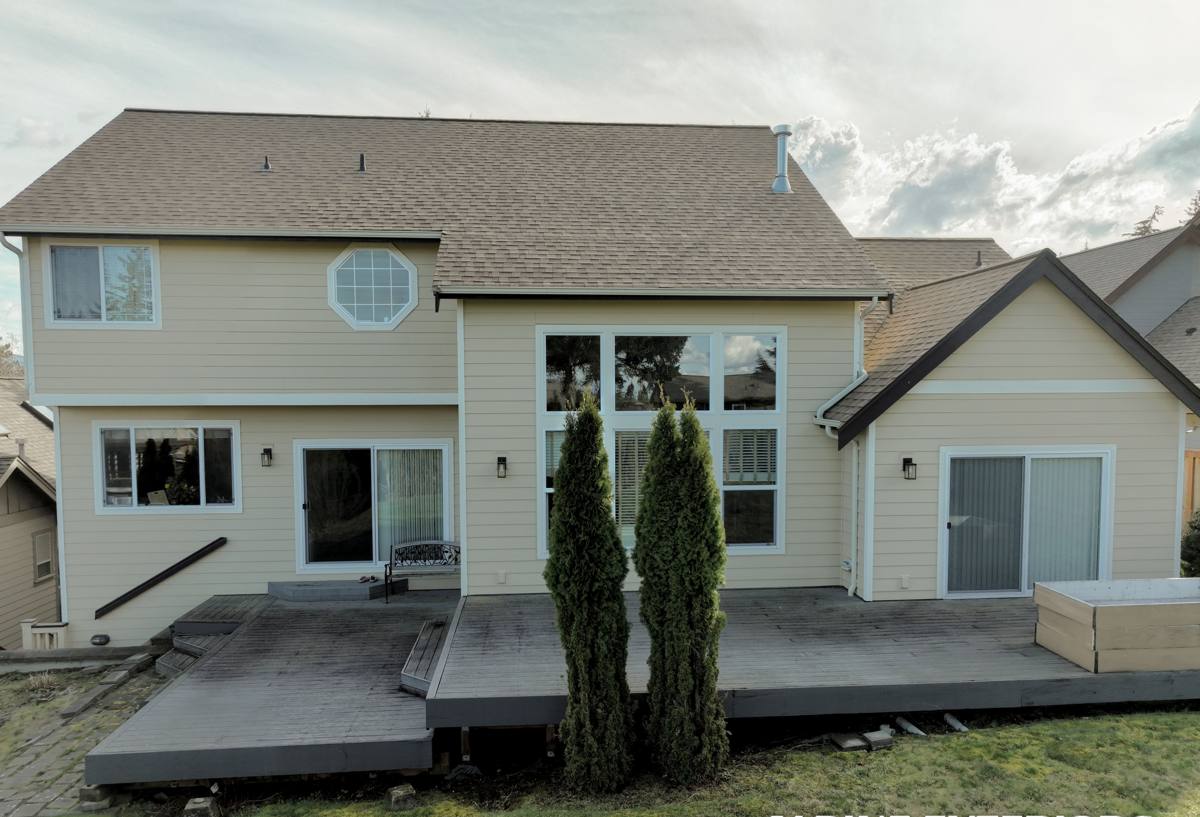
Choosing the Right Decking Material
The decking surface is the single biggest decision on the project, and it's where we see the most regret from homeowners who went with whatever was cheapest at the time. Here's how the common options actually perform in a Tampa-area climate:
| Material | Heat Underfoot | Moisture/Salt Air Resistance | Maintenance | Typical Lifespan Here |
|---|---|---|---|---|
| Pressure-treated pine | Moderate | Good if sealed regularly | Annual cleaning/re-sealing | 10–15 years |
| Composite (Trex, TimberTech, etc.) | Can run hot in direct sun | Excellent | Occasional washing | 25–30 years |
| PVC/capped polymer | Runs hottest of the group | Excellent, fully sealed surface | Very low | 25–30+ years |
| Tropical hardwood (ipe, cumaru) | Moderate | Very good naturally | Periodic oiling to maintain color | 20–25 years |
Pressure-treated lumber is still a reasonable, budget-friendly choice for Ybor City decks as long as the homeowner is realistic about the upkeep — it needs to be cleaned and sealed on a schedule, not just when it starts to look gray. Composite and PVC decking cost more up front but hold up to salt air and UV with far less attention, which is why we see more homeowners moving that direction for decks that get full sun exposure most of the day. Hardwoods look great and resist rot well, but they're dense, they move with humidity changes, and they're less forgiving to install — that's a job for a crew with hardwood experience, not a general handyman.
A Note on Heat Underfoot
Because Tampa gets strong, direct sun for most of the year, darker composite and PVC boards can get uncomfortably hot on bare feet in the afternoon. If the deck will see a lot of summer foot traffic, we'll talk through lighter color options and board profiles that vent heat better before you commit to a color.
Framing and Structure: Built to Handle Wind and Moisture
The decking boards get all the attention, but the framing underneath is what actually keeps a deck standing through a tropical storm or hurricane season. In Hillsborough County, that framing has to meet Florida Building Code wind-load requirements, which are stricter than what you'll find in most of the country. A few things we treat as non-negotiable on every Ybor City deck:
- Footings sized and set to the depth required for local wind uplift ratings, not just poured to "what's always worked"
- Ledger board attachment done with proper flashing so wind-driven rain can't work its way behind the siding and rot the house's rim joist
- Joist hangers and structural connectors rated for coastal/high-wind use, not standard interior-grade hardware
- Post-to-beam and beam-to-footing connections built to resist uplift, not just downward load
- Proper spacing and blocking so the frame doesn't rack or twist under sustained wind
A deck can look finished and solid the day it's built and still fail structurally within a few years if the framing underneath cut corners on any of these. Most of what goes wrong with decks in this climate isn't visible until it's already a problem — which is exactly why the framing stage matters more here than the decking material choice.
Railings, Fasteners, and Hardware: Small Parts, Big Difference
Salt air corrodes metal faster than most homeowners expect, even several miles inland from open water. Standard zinc-coated screws and brackets can start rusting and staining decking boards within a couple of seasons in this climate. We use stainless steel or coated fasteners rated for coastal exposure throughout the build, not just on the visible top surface — the connections you can't see are the ones that cause the most expensive failures later.
Railings need the same attention. Aluminum and composite railing systems generally outperform painted wood railings here because they don't need repainting to fight rust or rot, and they hold up better to the humidity swings between Tampa's wet and dry seasons. Cable railing looks great but requires periodic tension checks in a climate where materials expand and contract more than in cooler regions — worth knowing going in, not something you find out later.
Permits, Codes, and Ybor City's Historic Character
Any deck attached to a house, and most freestanding ones above a certain height, need a permit through Hillsborough County or the City of Tampa depending on the property's location, along with an inspection before it's signed off. Skipping this isn't a shortcut — it becomes a real problem at resale when a buyer's inspector or the title company flags unpermitted structural work.
Ybor City also includes areas within a recognized historic district, and homes in those overlay zones can be subject to additional design review before exterior changes, including decks, are approved. We don't guess on this — we check the property's specific zoning and historic status before designing anything, so you're not stuck redoing plans after a rejected permit application. This is one of the areas where local experience actually saves time and money, rather than just being a nice-to-have.
How Our Deck-Building Process Works
- On-site consultation: we walk the property, look at drainage, sun exposure, and how the deck will attach to the existing structure, and talk through how you actually plan to use the space.
- Design and material selection: we put together a layout and material plan based on your budget, maintenance preferences, and the site conditions — not a one-size-fits-all package.
- Permitting: we handle the permit application and any historic district review that applies, so you're not navigating county paperwork on your own.
- Footings and framing: footings are dug and inspected before framing goes up, using hardware and fastener specs built for coastal wind exposure.
- Decking, railing, and finish work: boards are installed per manufacturer spacing specs (composite and PVC expand and contract with heat, so gapping matters), railings go on, and any staining or sealing is done last.
- Final inspection and walkthrough: we get the county sign-off and walk the finished deck with you before calling the job done.
Maintenance Checklist for Tampa-Area Decks
Whatever material you choose, a little regular attention goes a long way in this climate. A reasonable seasonal routine looks like:
- Rinse off salt residue and pollen buildup every few weeks during peak season
- Check fastener heads and railing connections for early rust staining at least once a year
- Inspect ledger board flashing and the area where the deck meets the house for signs of moisture intrusion
- Re-seal pressure-treated or hardwood decking on the schedule recommended for the specific product — don't wait until it looks bad
- Clear leaves and debris from between boards so moisture doesn't sit and trap heat/mildew underneath
- After any major storm, do a quick visual check for loose railings, popped fasteners, or shifted footings
Signs Your Existing Deck Needs a Closer Look
If you already have a deck and you're not sure whether it needs repair or full replacement, a few warning signs are worth taking seriously rather than waiting on:
- Soft or spongy spots in the decking boards, especially near the house
- Visible rust streaking below fastener heads or brackets
- Railings that flex or wobble more than they used to
- Gaps or separation where the ledger board meets the house
- Boards that have cupped, warped, or split along their length
Any one of these can usually be addressed, but ignoring them in a climate with regular tropical storm activity is how a repair job turns into a full rebuild after the next big wind event.
Why Hire a Crew That Already Works in Ybor City
A lot of deck-building fundamentals are the same anywhere. What's different here is the combination of hurricane-rated structural requirements, Hillsborough County's permitting process, salt air's effect on hardware, and — for parts of Ybor City — historic district design review. A crew that already works this neighborhood knows which fastener specs actually hold up here, what the county inspector is going to check, and how to design around a historic overlay without a rejected permit costing you weeks.
We're not asking you to take that on faith — ask any contractor bidding your deck how they handle wind-uplift connections, what fastener grade they use, and whether they've pulled permits in your specific part of Tampa before. The answers tell you a lot more than the estimate does.
If you're planning a new deck or need an honest opinion on repairing an existing one, we're happy to take a look and walk you through your options. Fill out the form below for a free, no-pressure estimate.