 Tampa Roofing
 Why Westchase Roofs Take a Different Kind of Beating
Westchase is one of the more tightly planned communities in the Tampa area, and that consistency is part of what people like about living there. But underneath the uniform rooflines, every home in this neighborhood is fighting the same battle against Florida's climate: hurricane-force wind gusts during the June-through-November storm season, relentless year-round UV exposure, wind-driven rain that finds its way into anything less than a properly sealed roof system, and the slow corrosive effect of salt-laden air that drifts inland off Tampa Bay. An asphalt shingle roof installed without those specific stresses in mind will look fine for a year or two and then start showing problems — lifted shingle edges, granule loss, soft spots at valleys and penetrations — well ahead of schedule.
A shingle roof designed and installed correctly for Hillsborough County conditions is a different product than the same shingle installed the "standard" way in a milder climate. The material might be identical off the pallet, but the underlayment system, fastening pattern, flashing detail, and ventilation plan all need to account for what this region actually throws at a roof.
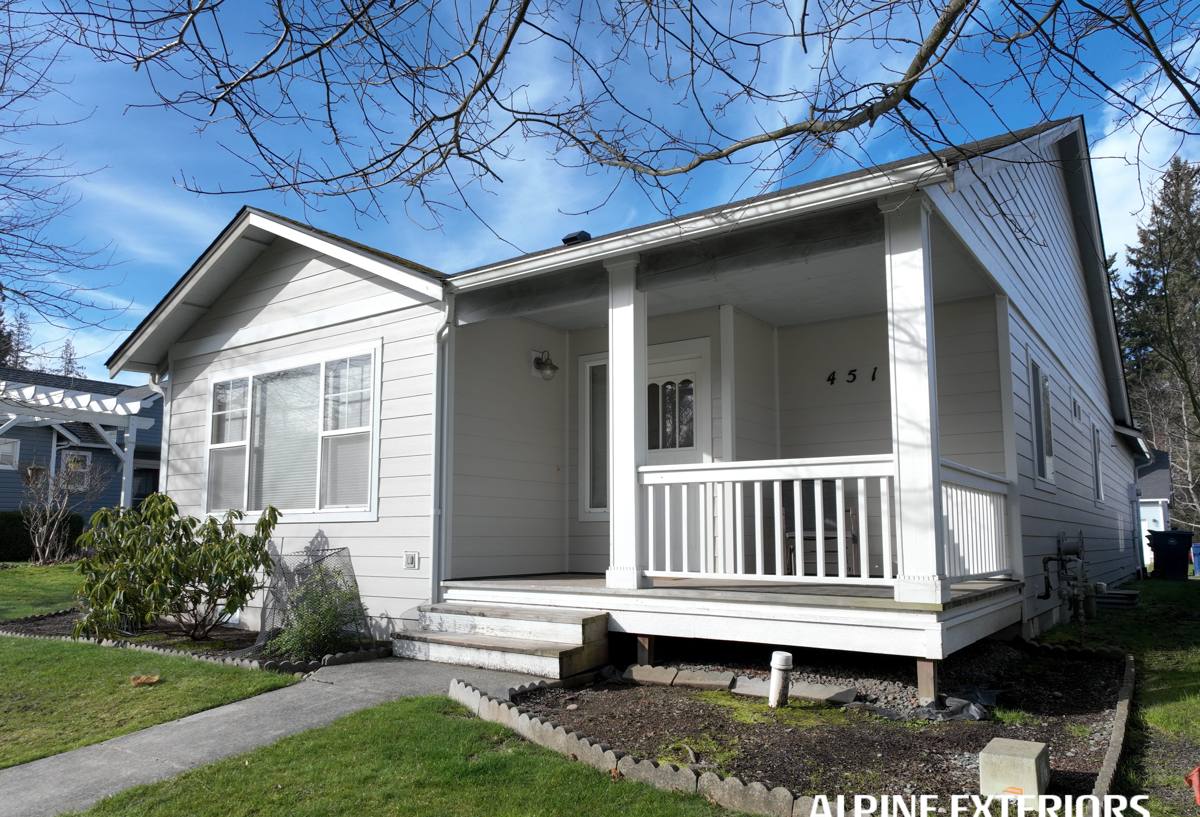
Hurricane Season and Wind Performance
What Wind Actually Does to a Shingle Roof
Most shingle failures during a tropical storm or hurricane don't start with the whole roof peeling off — they start small. Wind gets under one lifted shingle tab, usually at a rake edge, ridge, or a spot where the sealant strip never bonded properly, and from there it works like a lever. Once wind gets under the shingle field, uplift pressure multiplies fast, and a localized failure becomes a much bigger one, often with water intrusion right behind it.
What a Correct Install Does About It
Hillsborough County falls outside the state's designated High-Velocity Hurricane Zone, but it's still subject to Florida Building Code wind provisions that assume real hurricane exposure. A properly installed shingle roof in Westchase should reflect that:
- Shingles rated for high-wind performance (commonly 110-130 mph depending on product line), not a builder-grade product chosen for price alone
- Six-nail fastening patterns in the field, not the four-nail minimum some installers still default to
- Starter strip shingles at every eave and rake edge — the single most common spot we find missing or improperly installed on older roofs
- Enhanced sealant or hand-tabbing in high-exposure areas where wind uplift concentrates, such as ridges and hips
None of this shows up in a curbside photo. It shows up during the next named storm, which is exactly when you don't want to find out it was skipped.
Year-Round UV and Heat Exposure
Tampa doesn't get a real off-season for sun. Asphalt shingles rely on a layer of mineral granules to reflect UV and protect the asphalt layer underneath from drying out and becoming brittle. In this climate, that granule layer takes a beating twelve months a year, not just in summer. Roofs that face long, unbroken southern or western exposure — common on many Westchase lots depending on how the home sits — tend to show accelerated granule loss and premature aging on those slopes specifically, sometimes noticeably ahead of the rest of the roof.
Attic Ventilation Matters More Here Than People Think
Heat buildup in an under-ventilated attic doesn't just raise cooling costs — it bakes the underside of the roof deck and shingles from below, on top of the UV load hitting them from above. A correctly balanced intake-and-exhaust ventilation system (soffit vents paired with ridge or box vents, sized to the attic's actual square footage) extends shingle life and is one of the most overlooked parts of a "roof job" that's really just a shingle swap.
Wind-Driven Rain and Water Intrusion
Tampa's storms rarely deliver rain straight down. Wind-driven rain gets pushed sideways and upward under shingle tabs, around vent pipes, and along flashing edges that a light rain would never reach. This is why the underlayment and flashing details matter as much as the shingles themselves:
- Self-adhering waterproof underlayment at eaves, valleys, and rakes — the zones most exposed to wind-driven rain and the most common leak points on aging Tampa-area roofs
- Properly lapped synthetic underlayment across the full field, not felt paper installed with gaps or reverse laps
- New step flashing and counterflashing at every wall intersection and chimney — reused, dented, or rusted flashing is one of the fastest ways an otherwise good roof starts leaking
- Pipe boot replacement with UV-resistant collars, since standard rubber boots crack under Florida sun well before the shingles around them wear out
What a Correct Asphalt Shingle Roof Job Actually Involves
"Roofing" covers a wide range of workmanship, and the difference between a roof that performs for its full expected lifespan and one that underperforms often comes down to steps that are invisible once the shingles go down. A proper job on a Westchase home includes:
- Full tear-off to the deck — never a layover on top of existing shingles, which traps heat, hides deck damage, and can void manufacturer warranties
- Deck inspection and repair, replacing any wood that's soft, delaminated, or water-stained before anything new goes on top
- Drip edge installed at all eaves and rakes per current code
- Ice-and-water-style self-adhering membrane at vulnerable zones (even though we're not fighting ice here, this membrane is equally effective against wind-driven rain and standing water)
- Synthetic underlayment across the full deck
- New flashing at all penetrations, walls, and chimneys
- Balanced ventilation confirmed or upgraded
- Shingle installation with correct nail count, placement, and exposure per manufacturer specification
- Final walk-through and cleanup, including magnetic sweep for stray nails in the yard and driveway
Skipping or shortcutting any of these steps rarely shows up on day one. It shows up the first time a real storm tests the roof, or a few summers in when granule loss and leaks start compounding.
Repair or Replace: How to Think About It
Not every issue on a Westchase roof means a full replacement. The right call depends on the roof's age, how widespread the damage is, and whether the underlying deck and underlayment are still sound.
| Situation | Repair Usually Makes Sense | Replacement Usually Makes Sense |
|---|---|---|
| Roof age | Under 10-12 years, no prior major storm damage | Approaching or past typical shingle lifespan (roughly 18-25 years depending on product) |
| Damage pattern | Isolated to one slope, one flashing point, or a small number of shingles | Widespread granule loss, multiple leak points, or damage across several slopes |
| Underlayment condition | Still intact and sealed beneath the affected area | Visibly failed, brittle, or undocumented age |
| Insurance/storm claim | Localized wind or debris damage from a specific event | Adjuster or inspection finds systemic wear consistent with age, not a single event |
| Future plans | Selling soon and roof passes a standard inspection | Planning to stay long-term with a roof already near end of life |
An honest inspection should be able to tell you which category a given roof falls into — and if a contractor recommends full replacement without explaining why repair isn't a reasonable option, that's worth a second opinion.
Our Process on a Westchase Job
Inspection and Estimate
We start with a physical inspection of the roof deck, flashing, ventilation, and shingle condition — not just a drive-by estimate based on square footage. You get a written scope that spells out exactly what's being replaced or repaired and why.
Permitting and Neighborhood Considerations
Roofing work in unincorporated Hillsborough County requires a permit, and we handle that filing as part of the job. Many sections of Westchase are also part of an HOA with architectural guidelines that can affect shingle color or style choices — if your property is HOA-governed, it's worth confirming any approval requirements before work begins, and we're happy to help you work through that paperwork so it doesn't hold up your project.
Installation and Cleanup
Most single-family shingle roofs in this size range are completed in one to a few days depending on scope, weather, and any deck repairs found once the old roofing comes off. We protect landscaping and driveways during the tear-off, run a magnetic sweep for nails at the end of each day, and do a final walk-through with you before we consider the job finished.
Cost Factors Worth Understanding
Every roof is priced based on its own specifics, but the variables that move the number are consistent:
- Roof size and number of squares (100 sq. ft. per "square") to be covered
- Roof pitch and complexity — steep slopes and roofs with many valleys, dormers, or penetrations take longer and cost more per square than a simple gable
- Number of layers currently on the roof and whether deck repair is needed once they're removed
- Shingle product tier — standard three-tab versus architectural/dimensional shingles, which cost more up front but generally carry better wind ratings and longer warranties
- Ventilation and flashing upgrades needed to bring an older roof up to current standards
Be cautious of any quote that's dramatically lower than others you've collected — it's usually a sign that underlayment, flashing, or ventilation work is being left out of the scope, not that you found a better deal.
Maintaining an Asphalt Shingle Roof in This Climate
Even a well-installed roof needs periodic attention in a climate this demanding. A simple maintenance rhythm goes a long way:
- Visual inspection after any major storm, checking for lifted, missing, or displaced shingles
- Annual check of flashing around chimneys, vents, and wall intersections for gaps or rust
- Keeping gutters and valleys clear of debris so water doesn't pool or back up under shingles
- Trimming overhanging tree limbs that drop debris or create shade that keeps shingles damp longer than they should be
- Watching for granule buildup in gutters, which signals accelerated shingle wear
- Confirming attic ventilation isn't blocked by insulation or storage that's crept over soffit vents
Why It Matters to Hire a Crew That Already Works in Westchase
A contractor who regularly works this neighborhood already understands the permitting process with Hillsborough County, knows what HOA architectural review typically expects in terms of shingle style and color continuity, and has seen firsthand how the local climate ages roofs in this specific area versus other parts of the Tampa Bay region. That familiarity shows up in fewer surprises during the job — permits filed correctly the first time, flashing and ventilation details matched to what actually holds up here, and a finished roof that fits the look of the community without a fight over approvals.
If you're weighing a repair, a full replacement, or just want an honest read on where your current roof stands, we're glad to walk your roof with you and give you a straightforward assessment. The form below gets you a free, no-pressure estimate — no obligation, just a clear picture of what your roof needs.