 Tampa Roofing
 Board & Batten Siding for Lutz Homes
Lutz sits on the northern edge of the Tampa metro, close enough to the Bay for salt-laden air to reach it and far enough inland that summer storms build fast and hit hard. Homes here deal with the same stresses as the rest of Hillsborough County — intense year-round UV, wind-driven rain, and the occasional hurricane-force gust — but board and batten siding, with its vertical panels and raised battens, has its own set of failure points if it's not built for that environment. This page is about getting that detail right on a Lutz home, not a generic overview of the siding style.
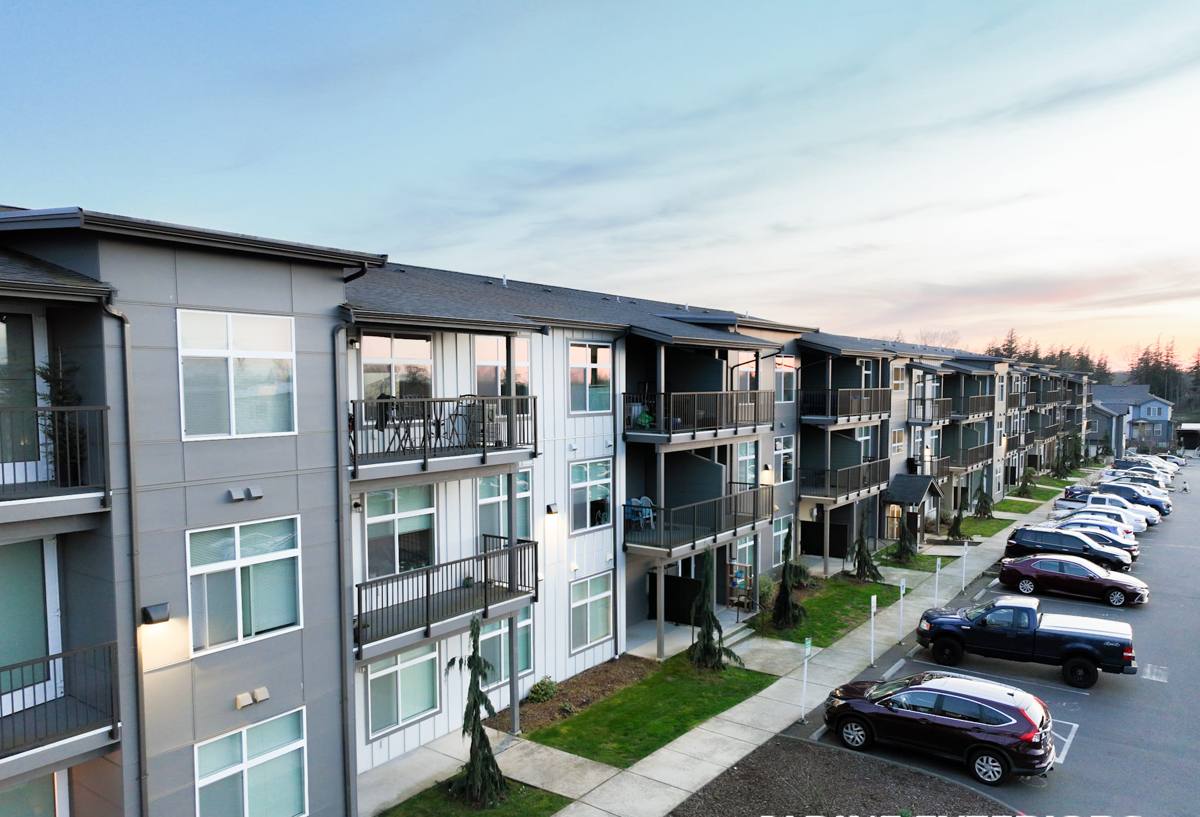
What Lutz's Climate Does to Board & Batten Siding
Board and batten looks simple: wide vertical boards with narrow strips covering the seams. But that seam-and-batten geometry is exactly where water tries to get in, and Lutz's weather gives it plenty of chances.
- Wind-driven rain gets pushed sideways during Tampa's summer storms and can work its way behind battens that aren't properly gapped and flashed.
- UV exposure is relentless nearly year-round here, and it breaks down paint film and low-grade substrates faster than in most parts of the country.
- Humidity keeps wood-based products damp longer between rain events, which is what drives rot, swelling, and delamination at the seams.
- Salt air, even this far from the water, accelerates corrosion on fasteners and trim if the wrong hardware is used.
None of this means board and batten is a bad choice for Lutz — it's a great look for the area's mix of ranch, farmhouse, and craftsman-style homes. It means the material and the installation both have to account for what the climate actually does, not just what looks right on install day.
Why We Install It Only in James Hardie Fiber Cement
We don't install board and batten in vinyl, LP SmartSide, primed spruce, cedar, or other fiber cement brands. That's a standard we hold across every job, not just in Lutz, and it comes down to how those materials perform once they're actually on a house in this climate.
Wood-based panel products, including engineered wood, depend on their factory coating and careful field-sealing at every cut and seam to keep moisture out. In a climate where humidity rarely lets up and afternoon storms are routine, that coating is under constant stress, and any gap in caulking or flashing becomes an entry point for rot. Vinyl board and batten is low-maintenance in mild climates, but it can distort in high heat, and its impact resistance in hurricane-force wind events is a real trade-off — cracked or blown-off panels are a common storm-damage callout.
James Hardie fiber cement is non-combustible, dimensionally stable in heat and humidity, and doesn't rot or absorb water the way wood-based siding does. Hardie's ColorPlus factory finish is baked on and warrantied against fading and peeling, which matters more here than almost anywhere given how much UV Lutz gets. Hardie's HZ5 product line is engineered specifically for high-humidity, hurricane-prone climates like ours — it's the version of the product built for exactly what Tampa Bay throws at a house.
What Correct Board & Batten Installation Involves
The board and batten look is achievable with Hardie panels and battens, or with Hardie lap-style vertical boards and separate batten strips, but the visible boards are only half the job. The parts nobody sees are what determine whether it holds up.
- Water-resistive barrier and drainage plane — a correctly lapped and taped weather barrier behind the panels, so any moisture that gets past the battens has somewhere to go besides the sheathing.
- Furring or rainscreen gap — board and batten performs best with a small air gap behind it, letting the assembly dry out after wind-driven rain instead of trapping moisture against the wall.
- Panel and batten spacing — Hardie specifies gap tolerances at joints and corners to allow for expansion; closing those gaps up to "make it look tight" is one of the most common installation mistakes we see and correct.
- Flashing at every penetration — windows, doors, hose bibs, and vents all need proper head flashing and sealant, not just caulk smeared over the gap.
- Corrosion-resistant fasteners — stainless or coated fasteners rated for coastal-influenced air, run at the correct depth so they don't crack the board or back out over time.
- Factory-cut edges kept intact — every field cut gets sealed per Hardie's specifications, since a raw cut edge is the fastest way for a fiber cement board to take on water.
Skip any one of these and the siding can still look right for a year or two. The failures show up later, as staining, soft spots at the base of boards, or battens that have started to separate — and by then it's a repair job instead of a five-minute fix during install.
Our Process on a Lutz Project
Every board and batten job we run in Lutz follows the same sequence, whether it's a full re-side or a single elevation.
1. On-site assessment
We look at the existing wall assembly, check for moisture damage behind the current siding, and confirm what's actually there before quoting anything. This catches problems — rotted sheathing, missing flashing — before they become surprises mid-project.
2. Design and material planning
We walk through Hardie's board and batten options, panel widths, batten spacing, and ColorPlus color choices, and plan the layout around the home's actual window and door placement so reveals and corners land cleanly.
3. Tear-off and substrate prep
Old siding comes off, sheathing gets inspected and repaired as needed, and the water-resistive barrier goes on correctly before a single board is hung.
4. Installation to spec
Panels and battens go up following Hardie's fastening and gapping requirements, with flashing detailed at every window, door, and penetration.
5. Final walkthrough
We check seams, corners, and trim with you before calling the job done, and explain what basic upkeep looks like going forward.
Board & Batten vs. Other Common Siding Profiles
| Profile / Material | Look | How It Handles Tampa Bay Climate |
|---|---|---|
| Board & Batten (Hardie fiber cement) | Bold vertical lines, farmhouse/craftsman feel | Non-combustible, holds paint finish, engineered HZ5 line for humidity and wind |
| Board & Batten (vinyl) | Similar look, lighter material | Can distort in heat; more vulnerable to cracking or blow-off in high wind |
| Board & Batten (wood/engineered wood) | Natural or wood-grain texture | Needs consistent sealing and maintenance to resist rot in humid, wet conditions |
| Traditional lap siding (Hardie) | Horizontal, classic | Same material advantages, more traditional appearance than board and batten |
Maintenance in a Salt-Air, High-UV Climate
Board and batten in Hardie fiber cement is genuinely low-maintenance compared to the alternatives, but "low-maintenance" isn't "no maintenance" anywhere in Hillsborough County. A rinse-down once or twice a year removes salt residue and airborne grime before it builds up, especially on the north- and west-facing walls that catch the most wind-driven rain. Keeping gutters clear and downspouts directed away from the base of the siding prevents water from wicking up into the bottom boards, which is the single most common cause of long-term siding problems we see on older Lutz homes.
Warning Signs Worth a Call
- Soft or discolored spots near the bottom edge of boards, especially near grade or sprinkler spray zones
- Battens or boards separating slightly at the seams
- Caulk that's cracked or pulled away around windows and doors
- Fading or chalking that looks uneven across different walls
- Any staining that tracks down from a window head or roofline
Why a Crew That Already Works Lutz Matters
Board and batten installation quality comes down to hundreds of small, correct decisions — spacing, flashing, fastener choice, gap tolerances — repeated consistently across the whole house. A crew that regularly works Lutz and the surrounding Tampa area already knows how the local humidity and storm pattern behaves against a wall assembly, has already worked through Hillsborough County permitting and inspection expectations, and isn't learning Hardie's climate-specific installation requirements on your house for the first time. That familiarity shows up in fewer callbacks and a siding job that's still doing its job ten and twenty years out, not just on the day it goes up.
If you're weighing board and batten for a Lutz home, we're happy to walk the property, talk through layout and color options, and give you a straight answer on scope and cost. Reach out for a free, no-pressure estimate using the form below.