 Tampa Roofing
 Board & Batten in a Neighborhood Built on Character
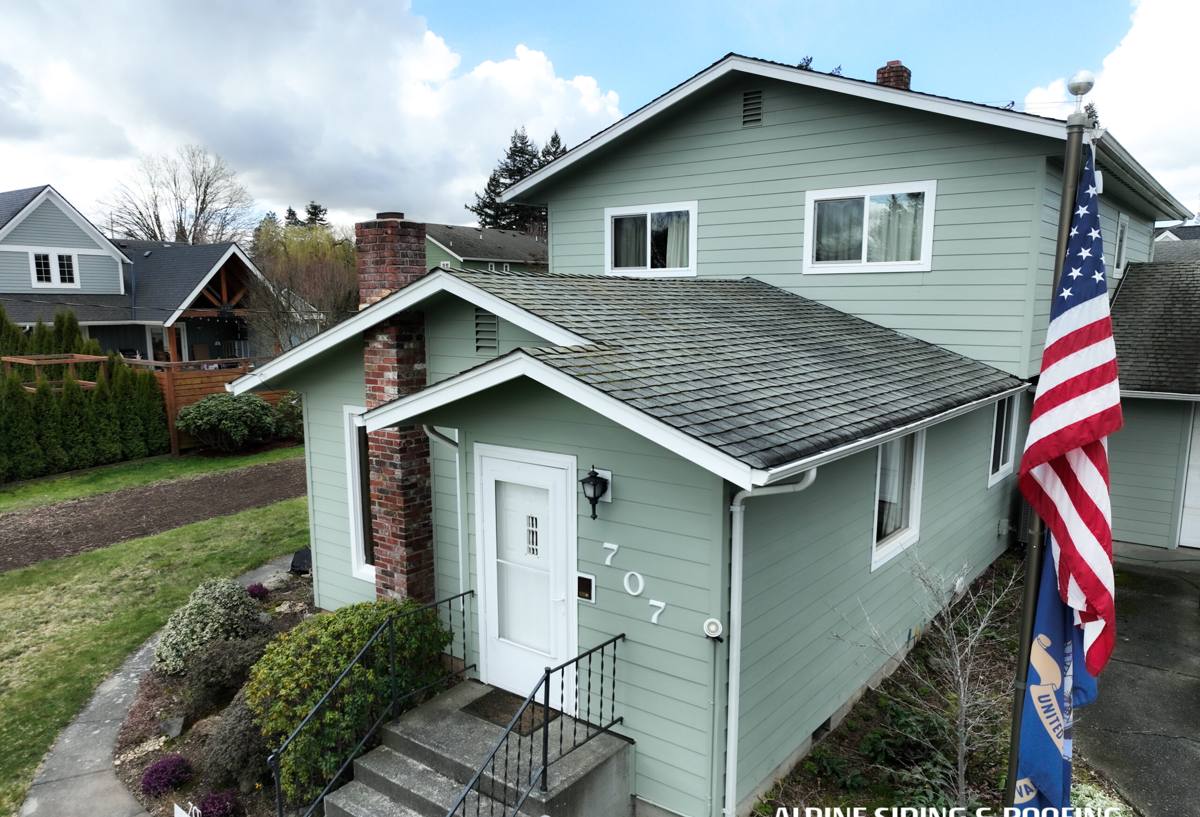
Seminole Heights is one of Tampa's older, more distinctive neighborhoods, known for its bungalow and craftsman-style homes with deep porches, pitched gables, and a scale that feels different from newer Hillsborough County subdivisions. Board and batten siding — vertical panels with raised strips covering the seams — has always paired naturally with that architecture. It reads as a period-appropriate accent on a gable end or porch wall, or as a full-elevation treatment on homes that want that clean, vertical, farmhouse-adjacent look.
The challenge in Seminole Heights isn't finding a style that fits. It's finding a material and installation approach that actually holds up on an older home, in a hot, humid, storm-exposed part of Florida, without turning into a maintenance project every couple of years.
What Tampa's Climate Actually Does to This Siding Style
Board and batten has more seams and more raised trim than flat lap siding, which means more edges for water, wind, and sun to work on. In Hillsborough County, that adds up over time:
Hurricane-Force Wind
Vertical panels and battens create more surface for wind uplift to grab, especially at corners and gable peaks. If the fastening pattern and panel attachment aren't rated for the exposure, battens can loosen or panels can flex during a tropical system, long before the storm is strong enough to cause structural damage elsewhere on the house.
Wind-Driven Rain
Tampa's storms rarely fall straight down. Rain gets pushed sideways and forced up under trim, and board and batten has a lot of vertical trim. Every batten strip is a potential entry point if it isn't sealed and fastened correctly — and once moisture gets behind the siding, it stays warm and humid back there for months.
Year-Round UV
Constant sun exposure fades paint and stresses caulk faster in Florida than in almost any other climate. On board and batten, the battens themselves — narrow, raised, and fully exposed — tend to show sun damage first, well before the flat panel field does.
Salt Air
Seminole Heights isn't beachfront, but Tampa Bay's salt air still reaches inland neighborhoods, especially with onshore wind patterns. Salt accelerates the breakdown of paint film and metal fasteners, which matters more on a siding style with this many exposed edges and attachment points.
Why We Install This Style in James Hardie Fiber Cement — and Nothing Else
Board and batten has a long history in wood, and it's also sold in vinyl and in engineered wood products like LP SmartSide. We don't install any of those, and on this particular siding style the reasoning is even more direct than usual.
Real wood board and batten looks great on day one, but every seam and batten strip is another place where moisture can enter end grain and start rot — and this style has far more seams per square foot than lap siding. Vinyl board and batten keeps cost down, but it's a thin material that can warp or crack under UV and impact stress, and it can't be painted to match a specific historic or custom color the way a factory-finished product can. Engineered wood products use wood fiber with a resin binder, which performs reasonably in dry climates but is more vulnerable to moisture-driven swelling at cut edges and seams — exactly the vulnerable points this style has the most of.
James Hardie's fiber cement is sand, cement, and cellulose fiber — it doesn't rot, it isn't wood-based, and it's manufactured in HZ5 formulations engineered specifically for high-humidity, high-moisture climates like the Gulf Coast. On a siding style built around vertical seams and exposed trim, starting with a material that doesn't degrade at the seam is the single biggest factor in whether the job still looks right in fifteen years. The factory-applied ColorPlus finish also matters here specifically: baked-on color resists the fading that hits exposed battens hardest, and it eliminates the repaint cycle that wood and some engineered products require.
| Material | Behavior at seams/battens | UV & color stability | Fits our install standard |
|---|---|---|---|
| Real wood | End grain at seams absorbs moisture, rot-prone over time | Repaint needed on a recurring cycle | No |
| Vinyl | Can warp/crack at fastening points under heat and impact | Fades, cannot be repainted to match | No |
| Engineered wood (e.g. LP SmartSide) | Resin-bonded fiber more sensitive to moisture at cut edges | Factory finish fades faster than fiber cement | No |
| James Hardie fiber cement | Non-combustible, moisture- and pest-resistant at seams | ColorPlus factory finish holds color for years | Yes |
What a Correct Board & Batten Job Actually Involves
This style punishes shortcuts more than plain lap siding does, because there's more trim, more fastening, and more places for water to find a path inward. A correct installation includes:
- A continuous, properly lapped weather-resistive barrier behind the panels, with no gaps at seams or penetrations
- Panel and batten spacing that follows manufacturer specification, not just what looks even
- Fastener type, spacing, and embedment matched to Hillsborough County wind exposure requirements
- Proper flashing at every window, door, and roof-to-wall intersection — the places board and batten most often fails first
- Correct gapping and sealant at butt joints and trim intersections, using products rated for sustained sun and moisture exposure
- Clearance from grade, decking, and roofing so battens and panel bottoms don't sit in standing water or constant splash-back
Skipping any one of these doesn't usually show up right away. It shows up two or three years later, as a soft spot behind a batten strip or a streak of moisture staining that wasn't supposed to happen on a fiber cement product.
How We Approach a Seminole Heights Project
1. On-Site Evaluation
We look at the existing wall assembly, sheathing condition, and whatever siding is currently on the house — this matters more in Seminole Heights than in newer construction, since many homes here have gone through multiple prior renovations and the substrate underneath isn't always what it appears to be from the street.
2. Scope and Product Selection
We walk through where board and batten makes sense — full elevations, gable accents, porch details — and which James Hardie panel and trim combination fits the home's existing lines, along with a ColorPlus color that suits the house and the block.
3. Tear-Off and Substrate Repair
Any water-damaged sheathing or framing gets addressed before new siding goes up. Covering a hidden problem with new material never actually solves it.
4. Installation to Specification
Weather barrier, flashing, panel and batten attachment, and sealant all follow James Hardie's published installation requirements for this climate zone — not a generalized approach borrowed from a different siding type.
5. Final Walkthrough
We review the finished work with the homeowner, including how the warranty is structured and what basic upkeep to expect.
What Board & Batten Realistically Costs
Pricing depends on the scope — full-house siding is a different project than accent gables or a porch feature — plus how much substrate repair is needed underneath. Rather than quoting numbers that don't apply to your specific house, here's what actually moves the price:
| Cost Factor | Why It Matters |
|---|---|
| Coverage area (full elevations vs. accents) | More square footage and more trim intersections mean more labor and material |
| Condition of existing sheathing | Rot or moisture damage found during tear-off adds repair scope before new siding can go on |
| Home height and access | Two-story gables and steep-pitched sections take longer to flash and fasten correctly |
| Trim and detail complexity | Window returns, corner boards, and transitions between siding styles add labor time |
| Color selection | Standard ColorPlus colors versus custom-matched finishes can affect lead time and cost |
Maintaining Board & Batten Once It's Installed
One of the advantages of doing this correctly the first time is how little upkeep follows. Still, a short seasonal routine keeps it performing:
- Rinse the siding periodically to clear salt residue and airborne grime, especially after dry spells followed by rain
- Walk the exterior after any tropical storm or hurricane watch/warning event and look for loosened battens or trim
- Check caulking at trim joints and penetrations annually — sealant is the first line of defense and the easiest to inspect
- Keep landscaping and sprinklers from spraying directly on the lower courses of siding
- Address any impact damage promptly rather than letting a small chip sit exposed through a full Florida summer
Why Local Experience in This Neighborhood Matters
Seminole Heights homes vary more than a typical newer subdivision — different eras of construction, different prior renovations, different roof and porch configurations. A crew that already understands the kinds of substrate conditions and architectural details common in this part of Tampa spots problems during the estimate instead of discovering them mid-project. That familiarity, combined with sticking to one manufacturer we install to spec every time, is what keeps a board and batten project from turning into a surprise-driven renovation.
If you're considering board and batten siding for a home in Seminole Heights, we're happy to take a look and walk you through what your specific house needs. Reach out for a free, no-pressure estimate using the form below.