 Tampa Roofing
 Board & Batten in a Neighborhood Built on Character
South Tampa is one of the few pockets of the metro where architecture still does a lot of talking — bungalows, cottages, and updated mid-century homes sit block to block with newer construction that's trying to match the neighborhood's scale and warmth. Board & batten siding shows up here because it does something a lot of flat lap siding can't: it adds vertical rhythm and shadow line without looking busy. On a porch gable, a dormer, or a full elevation facing a canal or a busy street, it reads as intentional rather than default.
But South Tampa's peninsula geography — bordered by Tampa Bay, Hillsborough Bay, and a web of canals — means every board and every batten on these homes is fighting a harder environment than siding installed forty miles inland. That's the part of the job most siding crews treat as an afterthought. We don't.
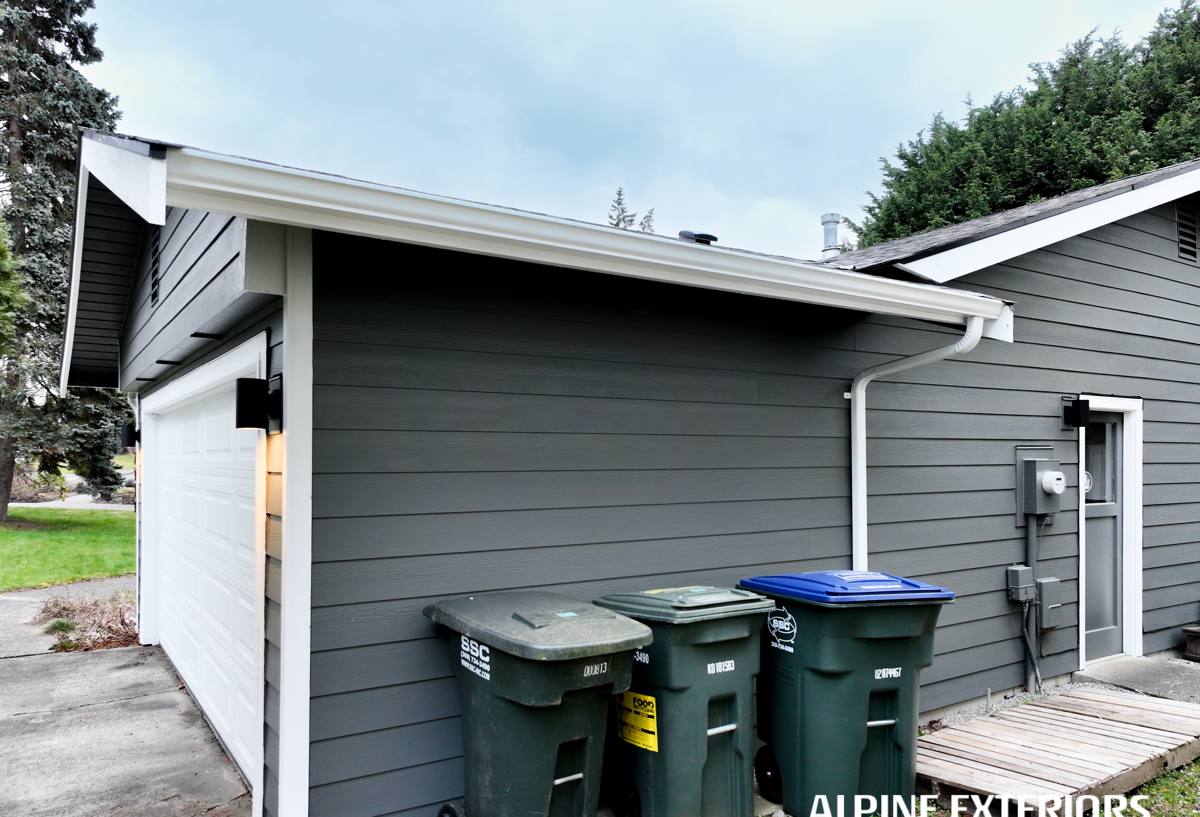
What This Climate Actually Does to Vertical Siding
Sun and Heat
Tampa sees intense, nearly year-round UV exposure. South- and west-facing elevations bake for hours a day, and vertical board & batten profiles create more distinct sun/shadow zones than horizontal lap siding — meaning uneven fading and heat stress show up faster if the finish underneath isn't built to handle it.
Wind-Driven Rain
Battens create a raised seam every 12 to 16 inches. Each seam is a place water can be forced sideways under wind pressure during a squall or tropical system, rather than simply running down and off. If the seam, the fastening, and the water-resistive barrier behind it aren't detailed correctly, that seam becomes an entry point instead of a design feature.
Hurricane-Force Wind
South Tampa sits in a wind-borne debris region, and board & batten's vertical boards and narrow battens present a lot of edges and fastener lines that have to hold under uplift and lateral load. Fastening pattern and substrate strength matter more here than on a calmer inland lot.
Salt Air
Being close to open water means a steady drift of salt-laden air onto exterior surfaces. Salt accelerates corrosion on fasteners and trim, and it degrades paint films and cheaper factory finishes faster than a typical inland environment would.
None of these are exotic problems — they're the normal, cumulative conditions any exterior product has to survive in this part of Hillsborough County. The difference between siding that looks good at year 3 and siding that looks tired at year 3 is almost always the material and the install, not luck.
Why We Only Install James Hardie for Board & Batten Here
We get asked to quote board & batten in cedar, primed spruce, LP SmartSide, and vinyl fairly often, because all of them are sold as board & batten options. We don't install any of them, and we think South Tampa homeowners deserve the honest reason why rather than a sales pitch.
| Material | How it holds up in this climate | Where it struggles |
|---|---|---|
| Cedar / primed spruce | Real wood look, can be beautiful when new | Absorbs moisture at cut edges and seams, needs recurring repainting, vulnerable to rot in humid, wind-driven-rain conditions |
| Vinyl | Low upfront cost, no painting | Softens and can warp under sustained heat/UV, brittle under wind-borne debris impact, seams are visually obvious on a vertical profile |
| LP SmartSide (engineered wood) | Better than raw wood, factory-treated | Still wood-based — edge swelling and moisture sensitivity at cut ends if sealing isn't perfect and maintained |
| James Hardie fiber cement | Non-combustible, engineered for hot/humid climates (HZ10 product line), factory ColorPlus finish resists fading and salt exposure, holds paint lines and shadow reveal crisply | Heavier material, requires correct fastening and joint detailing — installer skill matters |
James Hardie's HZ10 formulation is engineered specifically for high-humidity, high-UV climates like ours, and the ColorPlus factory finish is baked on rather than field-applied, which matters a lot in an environment that's hard on paint. It's also non-combustible, which is a real advantage against wildfire embers and doesn't hurt when insurance underwriters are asking harder questions about exterior materials than they used to. That combination — climate-engineered substrate, factory finish, strong transferable warranty — is why we standardized on it and stopped quoting the alternatives, even when a homeowner's inspiration photo shows cedar.
What a Correct Board & Batten Install Actually Involves
Substrate and Water Management First
Before a single board goes up, the wall needs a proper water-resistive barrier and, ideally, a drainage gap behind the siding. On a vertical profile especially, we don't want the boards sitting flush against a wet-prone surface — a rainscreen gap lets incidental moisture dry out instead of sitting against the sheathing.
Fastening Pattern
Board & batten needs fasteners placed and spaced to Hardie's published pattern for wind zone requirements, not a generic "every 16 inches" habit carried over from lap siding. Corrosion-resistant fasteners are non-negotiable this close to the bay.
Seams, Joints, and Flashing
Every horizontal joint, every window and door transition, and every inside/outside corner needs correct flashing and sealant detailing. This is the single biggest difference between a board & batten job that survives a decade of Tampa storms and one that starts showing staining and soft spots at the joints within a few years.
Batten Reveal and Spacing
Batten width and spacing should be planned to the elevation, not just repeated mechanically — window and door centerlines, gable peaks, and corner returns all affect how the pattern should land so it looks designed rather than accidental.
Finish
Because we install Hardie's ColorPlus prefinished product, there's no field-painting step to get wrong — the color is factory-cured and warrantied against fading and peeling, which removes one of the biggest long-term failure points of wood and site-painted siding.
Our Process for South Tampa Board & Batten Projects
- On-site assessment — we look at the existing siding or sheathing, check for moisture intrusion, rot, or prior storm damage, and confirm the wall's exposure to sun, prevailing wind, and salt drift.
- Scope and product selection — we walk you through board width, batten spacing, and ColorPlus color options suited to the home's style and elevation.
- Removal and prep — old siding comes off, sheathing is inspected and repaired as needed, and the water-resistive barrier and flashing details are installed or corrected before anything new goes up.
- Installation — boards and battens are hung to Hardie's fastening and clearance specs for our wind zone, with attention to every joint and penetration.
- Final walkthrough — we inspect seams, caulking, and trim details with you before calling the job finished, and go over the manufacturer's warranty paperwork.
Signs Existing Board & Batten Siding Is Failing
If you're evaluating a South Tampa home with existing board & batten — whether it's original wood, LP, or older fiber cement — these are the details worth checking before deciding between repair and replacement:
- Soft, spongy boards near the base of the wall or below window sills
- Dark staining or streaking running down from horizontal seams or batten joints
- Peeling or chalky paint, especially on south- and west-facing elevations
- Gaps opening up at butt joints or around window and door trim
- Visible rust bleeding from fastener heads
- Battens that have separated slightly from the wall or feel loose when pressed
Any one of these on its own might just need spot repair. Several together, especially combined with interior signs like musty smells or bubbling paint near exterior walls, usually mean moisture has been getting behind the siding for a while.
What Drives Cost on a Board & Batten Project
| Factor | Why it matters |
|---|---|
| Wall square footage and elevation count | More surface area and more corners/gables mean more material and labor |
| Existing substrate condition | Rotted sheathing or hidden water damage adds repair scope before new siding can go on |
| Board width and batten spacing | Narrower, more frequent battens take more install time than wider spacing |
| Trim and window/door count | Every opening needs flashing and trim detail, which adds labor |
| Access and site conditions | Tight lot lines, canal-side walls, or second-story gables affect scaffolding and staging |
| Color selection | Standard ColorPlus colors versus premium or custom-match options price differently |
We won't quote a number without seeing the walls in person — anyone who does is guessing. But these are the honest variables that move a bid up or down.
Living With Board & Batten in a Hot, Salty Climate
One advantage of factory-finished fiber cement over wood or field-painted alternatives is how little upkeep it asks for. There's no repainting cycle to plan around. What we do recommend for South Tampa homes specifically: an annual rinse-down to clear salt film and organic buildup off the surface, especially on elevations facing open water, and a walk-around after any named storm to check caulking at joints and trim for cracking or separation. Catching a failed sealant joint early is a five-minute fix; ignoring it through a full wet season is how water finds its way behind the siding.
Why a Crew That Already Works South Tampa Matters
Wind zone requirements, flood elevation quirks, and the practical realities of working on narrow lots near canals and busy corridors are all things a crew learns by doing repeated work in this specific part of Hillsborough County — not by reading a spec sheet once. We've priced, prepped, and installed siding on homes dealing with the same salt exposure, the same storm exposure, and the same mix of older and newer construction that defines South Tampa. That local repetition is what lets us catch a substrate problem, a flashing shortcut from a prior remodel, or an under-spec fastening pattern before it becomes your problem two years down the road.
If you're weighing board & batten for a South Tampa home — whether it's a full replacement or you're planning new construction — we're happy to take a look and talk through what the wall actually needs, no pressure attached. Reach out below for a free estimate.