 Tampa Roofing
 Brandon's Climate Is Hard on Stock Windows
Brandon sits inland from Tampa Bay in Hillsborough County, but "inland" doesn't mean sheltered. Homes here still take a beating from hurricane-force winds during tropical systems, wind-driven rain that gets pushed sideways into window frames, and some of the most intense year-round UV exposure in the continental United States. Add in the humidity swings between our wet and dry seasons, and you get a climate that ages ordinary, off-the-shelf windows faster than homeowners expect. Frames warp, seals fail, and glass units fog up from the inside years before they should.
Custom windows aren't a luxury upgrade in this environment — they're a practical response to how this specific climate treats a home's envelope. When we say "custom," we mean windows sized, specified, and installed to match your actual openings and your actual exposure, not a generic size pulled off a shelf and shimmed into place.
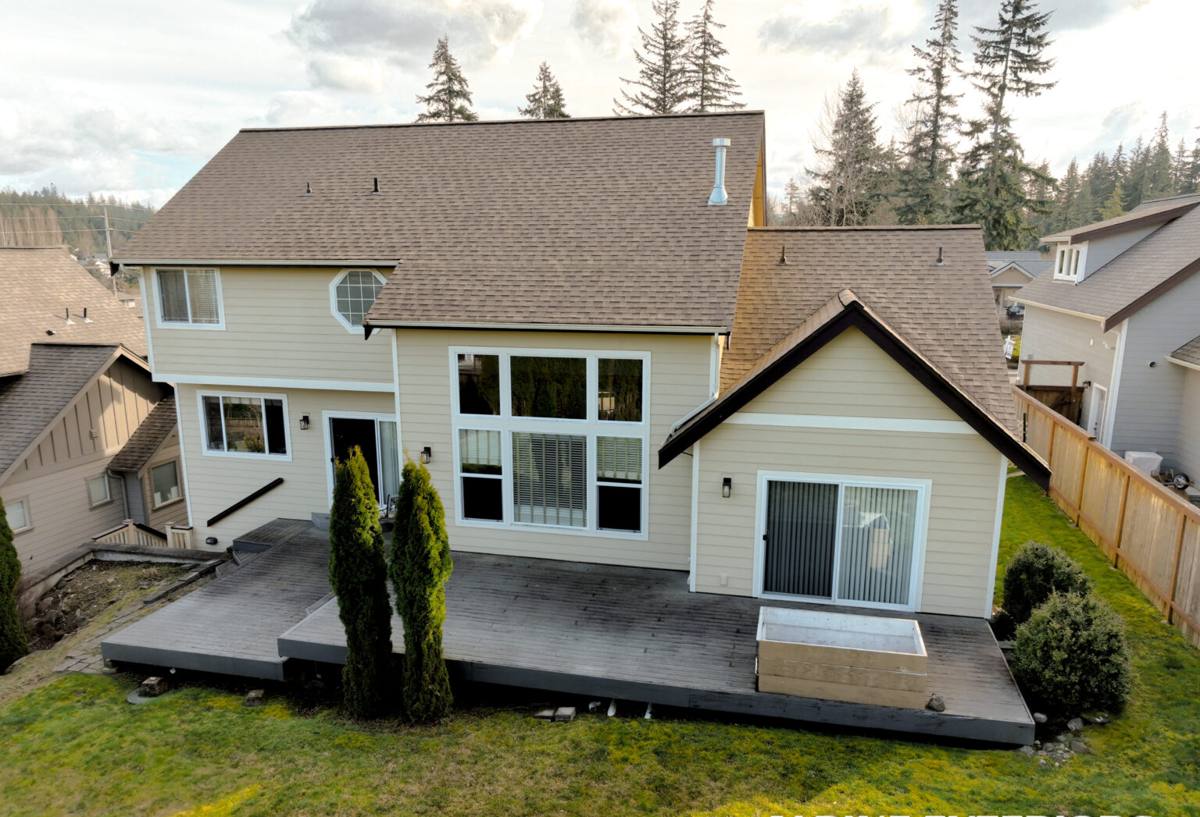
What "Custom" Actually Means
Matching Your Home's Openings, Not the Other Way Around
A lot of Brandon homes were built across different decades and by different builders, which means window openings are rarely a perfectly standard size — especially in additions, older ranch-style homes, or houses that have had prior renovation work. Stock replacement windows force a choice: either the window gets undersized and packed out with extra framing and caulk, or the opening gets cut and reframed to fit the window. Both approaches introduce weak points where wind-driven rain can find a way in.
Custom windows are manufactured to your exact rough opening dimensions. That means a cleaner installation, fewer field modifications, and a tighter seal around the entire perimeter — which matters a great deal when a summer storm is throwing rain horizontally against the west side of your house.
Frame Material Options
Vinyl, fiberglass, and aluminum are the three frame materials we work with most often in this market. Each has real trade-offs, and we'll walk through them honestly rather than push whatever happens to be in stock:
- Vinyl — lower upfront cost, good insulating properties, won't corrode from salt-laden air, but can flex more under extreme wind pressure at larger sizes.
- Fiberglass — very stable dimensionally in heat, holds paint well, handles the freeze-thaw-free but UV-heavy Florida sun with less expansion and contraction over time, generally a higher upfront cost.
- Aluminum — strong and slim-profile, historically common in Florida construction, but conducts heat and cold more than vinyl or fiberglass unless it's thermally broken.
Impact Glass and Building Code in Hillsborough County
Hillsborough County is not designated a High-Velocity Hurricane Zone the way Miami-Dade and Broward are, but it still falls under Florida Building Code wind provisions that require windows to meet specific wind-load and impact standards depending on your exact wind speed line and exposure category. For most Brandon properties, that means either impact-rated glass or an approved protective system paired with code-compliant windows.
Impact glass uses a laminated interlayer between panes, similar in concept to a windshield, so the glass can crack under debris impact without opening a hole in the building envelope. It also has a side benefit a lot of homeowners don't expect: because it's laminated and often paired with a low-E coating, it blocks a meaningful share of UV transmission, which helps protect flooring, furniture, and window treatments from sun fading — relevant when your home gets Tampa's level of year-round sun exposure.
We pull permits and specify products to match your home's wind zone and exposure requirements. This isn't optional paperwork — it's what determines whether the installation will pass inspection and, just as importantly, whether it will actually perform in the next storm.
Signs Your Current Windows Are Already Failing
Because window failure in this climate tends to happen gradually, a lot of homeowners live with the early symptoms for years before deciding to replace. Common signs we see on service calls in and around Brandon include:
- Fogging or a visible haze between panes on double-pane windows — the seal has broken and the insulating gas has escaped
- Frames that feel soft, chalky, or show cracking, especially on the south and west-facing sides that take the most sun
- Difficulty opening, closing, or locking — often a sign the frame has warped slightly out of square
- Visible daylight or a draft at the frame perimeter when the window is closed and latched
- Water staining on interior sills or the wall below the window after heavy rain
- A noticeable jump in cooling costs during peak summer months with no other explanation
- Condensation forming on the interior glass regularly, even when the AC is running normally
Any one of these on its own might just need a repair. Several at once, especially on a home more than 15-20 years old, usually points to windows that are past the point where patching makes sense.
How Our Installation Process Works
We keep the process straightforward and try to avoid surprises, because most homeowners are trusting us with a job that affects both the look and the weather-tightness of their home for years to come.
- On-site measurement and assessment. We measure every opening individually, check for existing water intrusion or framing damage, and note your home's orientation and exposure so we can talk through the right glass and frame options for each elevation.
- Product selection and quote. We walk you through frame material, glass package, and impact-rating options with real trade-offs explained, not just a single "best" recommendation.
- Permitting. Window replacement in Hillsborough County typically requires a permit, and impact-rated or wind-load-rated products need documentation matched to your specific address's wind zone. We handle this step.
- Removal and prep. Old windows and any damaged framing or sill material are removed, and the opening is inspected and prepped — this is also when hidden moisture damage sometimes turns up, and we'll flag it before proceeding rather than seal it in.
- Installation and flashing. New windows are set, shimmed level and square, and properly flashed and sealed around the full perimeter. Flashing detail is where a lot of Florida window failures actually start, so we don't treat it as an afterthought.
- Final inspection and walkthrough. Every window is operated, checked for square, and inspected for a clean seal before we consider the job finished. Where a permit inspection is required, we coordinate that as well.
What Drives the Cost of a Custom Window Project
Every home is different, and we'd rather give you real cost drivers than a number that doesn't hold up once we're on-site. Here's what typically moves the price:
| Factor | Lower Cost | Higher Cost |
|---|---|---|
| Frame material | Vinyl | Fiberglass or high-end aluminum |
| Glass package | Standard insulated glass | Impact-rated laminated glass |
| Opening condition | Standard, undamaged opening | Rotted framing or out-of-square opening needing rework |
| Window size and count | Fewer, smaller openings | Large picture windows or many openings |
| Home elevation | Second-story access from inside | Difficult exterior access requiring lifts or scaffolding |
As a general guideline, custom window replacement is typically priced per opening and varies widely based on the factors above — we'll give you a firm, itemized number after the on-site measurement rather than a rough phone estimate, because the difference between a straightforward opening and one with hidden damage can be significant.
Energy Efficiency in a Tampa Bay Cooling Climate
Unlike a lot of the country, Brandon homes are almost entirely cooling-load-driven — the AC runs far more months of the year than the heat does. That changes what "efficient" means for a window here. Low-E coatings tuned for solar heat gain reduction, combined with a tight, well-flashed installation, do more for a Tampa Bay utility bill than insulating value alone. Older single-pane or failed-seal double-pane windows let radiant heat pour into a home all afternoon, which means the AC compressor is working harder and cycling more than it should have to. A properly specified low-E, impact-rated window package addresses both the heat gain problem and the storm protection requirement at the same time, which is part of why we usually recommend pairing the two rather than treating them as separate upgrades.
Why It Matters to Hire a Crew That Already Works This Area
Window installation quality depends heavily on details that are specific to local conditions — the right flashing sequence for Florida's humidity and rain patterns, the correct wind-load documentation for your particular permit jurisdiction, and product selection that actually matches what performs well against salt air and UV exposure this far into the Gulf Coast region. A crew that regularly works in and around Brandon has already dealt with the local permitting office, already knows which product lines hold up over years in this climate rather than just on a spec sheet, and isn't learning Hillsborough County's requirements for the first time on your house.
That local familiarity also shows up in smaller ways: knowing which neighborhoods tend to have older aluminum-frame construction that needs extra attention during removal, or which areas see enough wind-driven rain during named storms that flashing detail needs to be even more conservative. None of that comes from a manufacturer's brochure — it comes from doing the work here, repeatedly, and paying attention to what actually happens to windows in this specific climate over time.
Maintaining Your Windows After Installation
Even a well-installed custom window benefits from basic upkeep in this climate. Rinsing accumulated salt air residue and pollen off frames and tracks periodically helps prevent buildup that can affect operation. Checking exterior caulk lines once a year, especially after hurricane season, catches small sealant cracks before they become water intrusion points. Keeping weep holes clear of debris lets any incidental moisture drain the way the window was designed to handle it. None of this is complicated, but skipping it is one of the more common reasons a otherwise good window installation develops problems years down the road.
If your Brandon home's windows are showing their age, struggling through storm season, or just driving up your cooling costs, we're happy to take a look and put together a straightforward, no-pressure estimate. Use the form below to get started.