 Tampa Roofing
 Deck Repair Built for Brandon's Climate, Not Just Any Deck
Brandon sits inland from Tampa Bay, but that doesn't spare it from the punishment that wrecks decks all over Hillsborough County. Between the intense year-round UV, the sudden afternoon thunderstorms that soak wood decking and then bake it dry within hours, and the occasional hurricane-force wind event that racks a structure sideways, a deck in this area ages differently than one in a drier, milder climate. Add in humidity that barely lets up and you have the exact conditions that accelerate wood rot, loosen fasteners, and corrode hardware faster than most homeowners expect.
We're a Tampa-based roofing and exteriors crew that also handles deck repair, and Brandon is part of our regular service area — not a occasional stop. That matters more than it sounds like it should, because deck problems here tend to repeat themselves in predictable ways once you've seen enough of them.
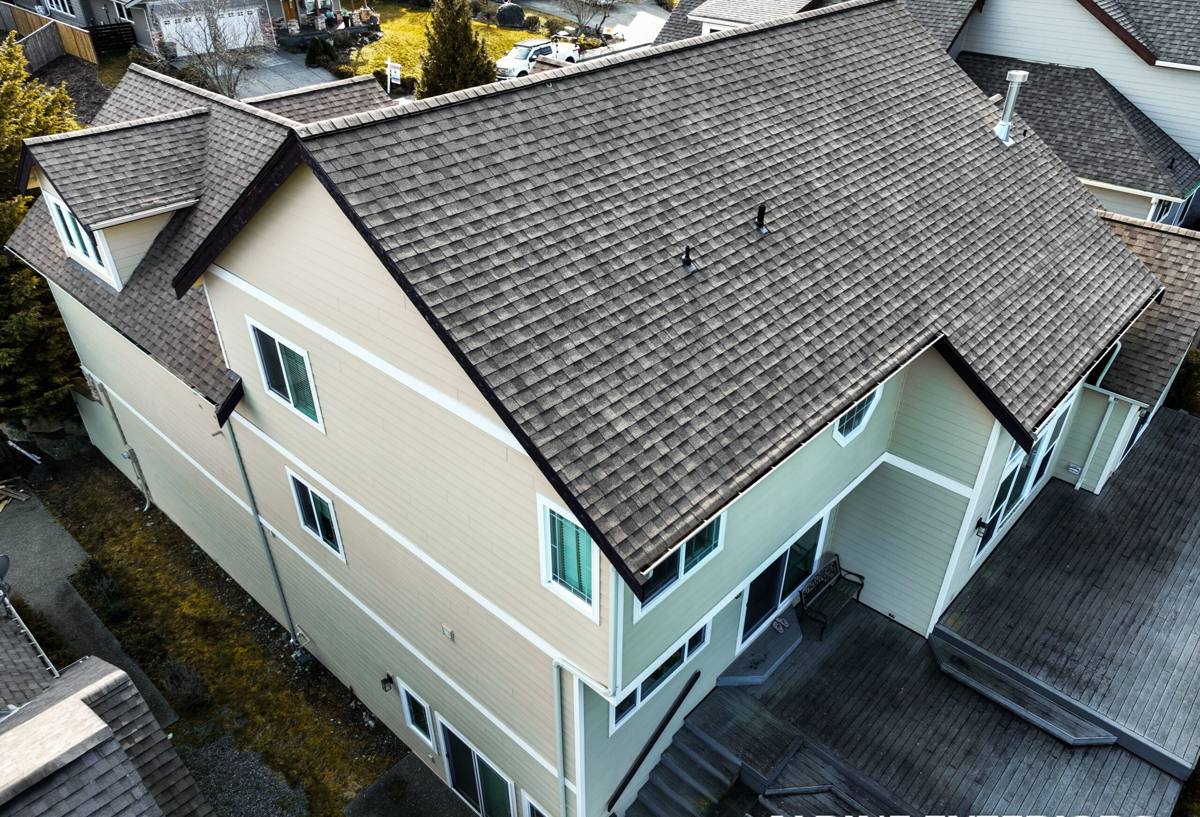
What Actually Wears Out a Deck in This Area
Moisture Cycling
Florida decks rarely fail from one big event. They fail from thousands of small wet-dry cycles. Rain soaks into end grain and around fastener heads, then the sun and humidity swing dry it back out. Over years, that cycle pulls wood fibers apart, cups boards, and works nails and screws loose. Ledger boards, stair stringers, and any spot where two pieces of lumber meet end grain to end grain are the first places this shows up.
UV Degradation
Unshaded decking in this part of Florida takes a beating from sun exposure nearly every day of the year. UV breaks down the lignin in wood fibers and dries out the natural oils in composite capping, which is why boards that looked fine two summers ago can turn gray, splintery, or chalky now. Fastener heads left exposed to direct sun also expand and contract more than shaded ones, which speeds up loosening.
Wind and Storm Loading
Hurricane-force wind events don't have to make direct landfall in Hillsborough County to stress a deck. Straight-line gusts and the racking motion they cause put real load on ledger connections, railing posts, and any bracing that was undersized or poorly fastened to begin with. We regularly find decks that survived a storm visually intact but have loosened structural connections that won't show up until someone leans on a rail.
Salt Air Influence
Brandon is inland, but Tampa Bay's salt-laden air still travels with the prevailing winds and settles on exposed metal. Galvanized fasteners, joist hangers, and railing hardware corrode faster here than in a landlocked climate, and corrosion that starts small at a fastener head can compromise a connection long before the wood around it shows obvious damage.
Signs a Brandon Deck Needs Repair, Not Just Cleaning
- Boards that flex, bounce, or feel spongy underfoot
- Visible gaps or dark staining around fastener heads
- Railings or posts that wiggle when pushed
- Stair stringers that feel loose or uneven
- Soft or discolored wood near the ledger board where the deck meets the house
- Rust streaks running down from screws, bolts, or joist hangers
- Gaps opening up between decking boards beyond normal seasonal movement
- A ledger board pulling away from the house band, even slightly
Any one of these on its own might be minor. Several together, especially near the ledger or stairs, usually mean the repair needs to address the structure underneath, not just the surface.
What a Correct Deck Repair Actually Involves
Structural Inspection First
Before any board gets replaced, we check the parts of the deck you can't see from the top: the ledger board attachment, joist condition, post bases, and any hardware that's corroded or undersized for the load. Replacing surface decking over a compromised frame just hides the real problem and shortens the life of the new boards.
Fastener and Hardware Standards
We use corrosion-resistant, code-rated fasteners and connectors rated for exterior and ground-contact use where applicable. In a humid, salt-influenced climate like this one, the hardware grade matters as much as the wood grade — a good board attached with the wrong screw will still loosen prematurely.
Ledger Board Attention
The ledger connection is where most structural deck failures start, and it's also the hardest area to inspect without pulling boards or flashing. We check for proper flashing that sheds water away from the house band, correct fastener spacing, and any signs of moisture intrusion behind the connection.
Board Replacement Done Right
Whether it's spot-replacing a handful of damaged boards or resurfacing a larger section, we match spacing and fastening patterns to allow for normal wood movement in this climate. Boards installed too tight cup and buckle when they swell; boards spaced too wide trap debris and moisture.
Railing and Stair Repair
Loose railings and stringers get evaluated for both the visible wood and the connections underneath. A railing that wiggles is often a hardware problem, not a wood problem, and treating it as cosmetic just delays a safety issue.
Wood vs. Composite: An Honest Look for Repairs
| Factor | Pressure-Treated Wood | Composite Decking |
|---|---|---|
| Upfront repair cost | Generally lower | Generally higher |
| UV/sun fading | Grays over time, can be resealed | Some fading; capped products resist it better than early-generation composites |
| Moisture behavior | Absorbs and releases water; needs sealing maintenance | Resists moisture absorption but core can still trap heat and humidity if not vented |
| Maintenance burden | Periodic sealing/staining needed in this climate | Lower maintenance, occasional cleaning |
| Repair matching | Easy to source matching lumber | Discontinued colors/profiles can be hard to match on partial repairs |
| Fastener sensitivity | Standard exterior fasteners work well | Often requires manufacturer-specific clips or screws to preserve warranty |
We don't push one material over the other as a blanket rule. Wood makes sense for straightforward spot repairs, especially when matching existing decking. Composite can be the better long-term call for full resurfacing, but it comes with a maintenance burden of its own — mainly attention to substructure ventilation and following the manufacturer's fastening requirements exactly, since deviating from spec is one of the more common ways composite warranties get voided.
Our Repair Process
- On-site assessment — We walk the full deck, check the ledger, probe suspect boards, and inspect hardware condition before quoting anything.
- Honest scope — You get a clear picture of what's cosmetic versus structural, and why, before we recommend a repair plan.
- Repair or replace decision — Isolated damage gets targeted repair; widespread rot or fastener failure may call for resurfacing sections rather than patching around a bigger problem.
- Code-appropriate materials — Fasteners, flashing, and connectors matched to current standards, not just whatever matches what's already there if what's already there was the cause of the failure.
- Final walkthrough — We check the repaired area for solid footing, secure railings, and proper drainage before calling the job done.
Why It Matters That We Already Work in Brandon
A crew that regularly works Brandon and the surrounding Tampa area isn't guessing at how this climate treats a deck — we've seen the same failure patterns repeat across enough properties to know where to look first. That means less time spent diagnosing and more time spent on the actual fix. It also means we're familiar with the kind of wind and storm exposure specific to inland Hillsborough County, which is different from a coastal property but still very real when a named storm tracks through the bay area.
Local also means accountability. If a repair needs a follow-up visit or a fastener works loose sooner than it should, we're not driving in from across the state to take care of it.
Maintenance That Extends the Life of a Repair
- Rinse off pollen, dirt, and organic debris between boards a few times a year
- Reseal or restain wood decking on the schedule appropriate for the product and sun exposure
- Check railing and stair connections for movement after any major storm
- Keep gutters and downspouts directing water away from the deck's footprint, not onto it
- Trim back vegetation that keeps decking boards shaded and damp longer than the rest of the deck
None of this replaces a proper repair, but it buys real time between repairs and helps catch new problems while they're still small.
What to Expect Cost-Wise
Deck repair costs in this area vary widely depending on whether the issue is a handful of boards, a full resurface, or structural work at the ledger or framing. Rather than quote a number that doesn't mean much without seeing the deck, we'd rather walk the property, show you exactly what we're finding, and give you options at different scopes so you can decide what makes sense for your timeline and budget.
If your deck in Brandon is showing any of the signs above, or it's just been a while since anyone looked at the structure underneath, we're glad to come take a look. Reach out for a free, no-pressure estimate using the form below.