 Tampa Roofing
 Why Decks in Brandon Wear Out Faster Than You'd Expect
Brandon sits inland from Tampa Bay, but that doesn't spare it from the climate factors that break down outdoor structures across Hillsborough County. Between the intense year-round UV exposure, heavy summer humidity, wind-driven rain during storm season, and the periodic threat of hurricane-force winds, a deck here takes a beating that a deck in a drier, milder climate simply never faces. Add in Florida's freeze-thaw-free but moisture-heavy soil conditions, and you get a recipe for hidden rot, loosened fasteners, and warped boards well before a deck reaches the age you'd expect it to fail.
Most homeowners don't think about their deck until something gives way — a soft spot underfoot, a railing that wobbles, or a board that's visibly cupped. By the time those signs show up, the damage is often already deeper than the surface. That's why deck replacement in this area isn't just about swapping old boards for new ones. It's about building something that's actually engineered for what Brandon's weather does to wood, fasteners, and framing over time.
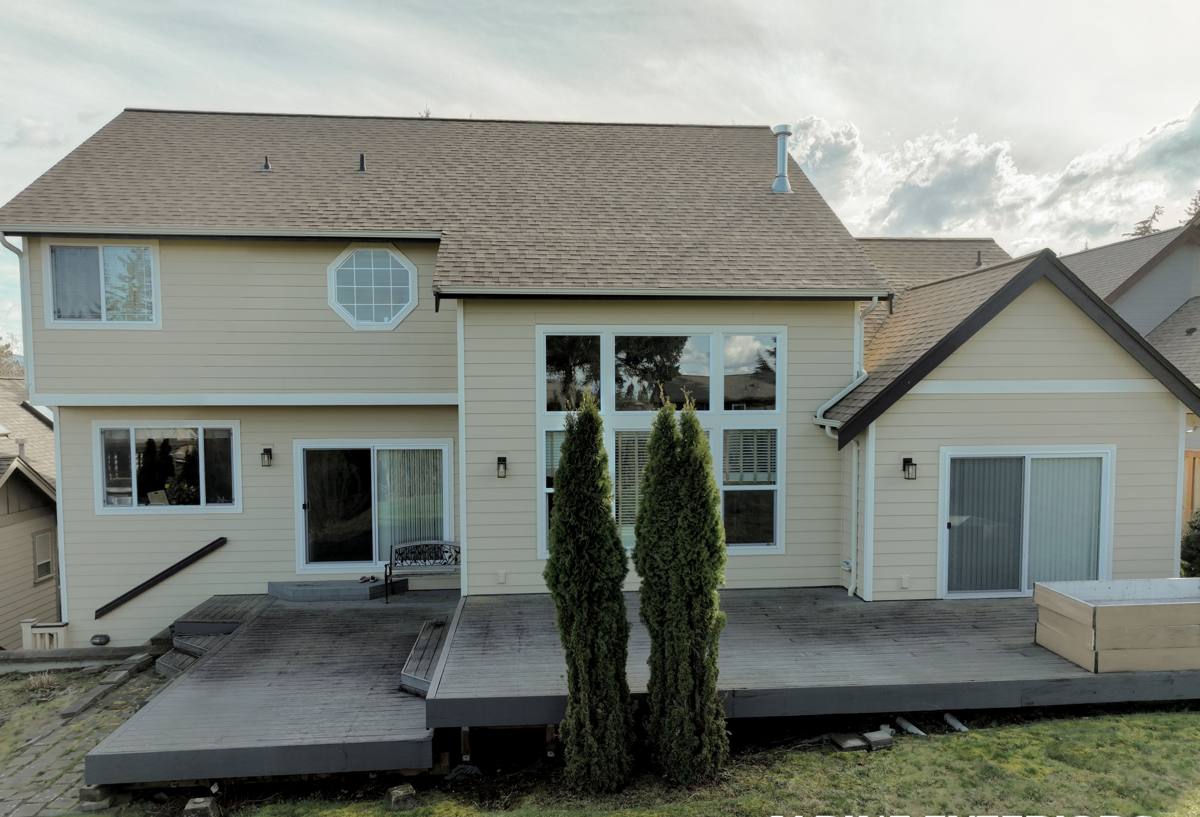
Signs Your Brandon Deck Needs Replacement, Not Just Repair
Repair makes sense when the problem is isolated — a single cracked board, a loose railing post, a few popped nails. Replacement becomes the smarter call when the issues point to structural fatigue rather than a one-off defect. Here's how to tell the difference:
- Soft, spongy, or visibly sagging sections of decking, especially near the ledger board where the deck attaches to the house
- Rot or discoloration at joist ends, posts, or anywhere wood meets fasteners or concrete footings
- Rusted, corroded, or pulling fasteners — common after repeated exposure to humidity and salt-influenced air moving inland from the bay
- Multiple boards cupping, splitting, or separating at the same time, rather than one isolated spot
- A deck that predates current hurricane-related building code updates, particularly around railing attachment and joist hangers
- Visible gaps opening up between the deck and the house, which can signal ledger board failure — a serious structural issue
If you're seeing two or more of these at once, you're usually looking at a deck that's past the point where patch repairs make financial sense.
What a Correct Deck Replacement Actually Involves
Structural Framing and the Ledger Board
The framing is what actually holds the deck together — the decking boards are just the surface. A correct replacement starts by evaluating (and usually replacing) the ledger board, the joists, and the posts and footings, not just the boards you can see. In our climate, the ledger board connection is one of the most common failure points because it's where moisture tends to collect against the house, and it's also a critical structural attachment point during high winds. Proper flashing at this connection isn't optional — it's what keeps water from working its way into the house framing itself.
Fasteners and Hardware
Standard hardware store fasteners corrode faster than most homeowners expect once they're exposed to Florida humidity for a few years. A correct replacement uses stainless steel or properly coated, corrosion-resistant fasteners and structural connectors rated for exterior use, along with joist hangers and post connections sized to meet current wind load requirements. This matters more here than in most parts of the country — hardware that fails quietly is one of the leading causes of deck collapses nationally, and heat-cycling plus humidity accelerates that failure timeline.
Decking Material
The visible surface matters for looks, but in this climate it matters even more for how the deck ages. Below is a general comparison of the material categories homeowners in Brandon typically weigh against each other.
| Material | UV/Heat Behavior | Moisture Behavior | Maintenance |
|---|---|---|---|
| Pressure-treated wood | Fades and can dry-crack under intense sun over time | Prone to warping and rot if sealing lapses | Needs re-sealing/staining every 1-3 years |
| Composite decking | Holds color better; some lower-grade products can get notably hot underfoot | Resists rot; quality varies by manufacturer and core type | Occasional cleaning, no staining |
| PVC/capped composite | Strong UV and fade resistance | Fully moisture-resistant surface | Lowest maintenance; higher upfront cost |
| Tropical hardwoods | Naturally dense, ages well with sun exposure | Naturally rot-resistant but installation-sensitive | Periodic oiling recommended |
We're upfront with clients about trade-offs rather than pushing one material as a cure-all. Some composite lines, for example, require very specific fastener spacing and hidden-clip systems to perform as advertised — install them wrong and you inherit warping or clip failure issues that have nothing to do with the material itself and everything to do with installation discipline. That's a standard we hold ourselves to regardless of which product a homeowner chooses.
Permits and Hillsborough County Requirements
Deck replacement in Brandon falls under Hillsborough County's building code requirements, and in most cases a permit is required — especially for anything involving structural framing, footings, or railing height and attachment changes. Skipping the permit process might feel like a shortcut, but it creates real problems: unpermitted decks can complicate a home sale, cause issues with insurance claims after storm damage, and in some cases require costly retroactive corrections. Part of doing this job correctly means handling that paperwork so you don't have to navigate county requirements on your own.
Our Deck Replacement Process
1. On-Site Assessment
We inspect the existing deck's framing, footings, ledger connection, and overall condition — not just the surface boards — to determine what's actually salvageable versus what needs to come out.
2. Design and Material Selection
We walk through material options, layout, and railing choices based on your budget and how you actually use the space, being straightforward about what each option costs to maintain over the years, not just to install.
3. Permitting
We handle the permit submission and coordinate any required inspections through Hillsborough County so the project stays compliant from the ground up.
4. Demolition and Framing
Old decking, and any compromised framing, posts, or footings, is removed and replaced with properly rated lumber and hardware, with attention to flashing at the ledger board to prevent the moisture intrusion that causes so many early failures here.
5. Decking, Railing, and Finish Work
Decking is installed per manufacturer spacing and fastening requirements — this step is where corners get cut on rushed jobs, and it's where long-term performance is actually decided. Railings are installed to current code height and attachment standards.
6. Final Walkthrough
We go over the finished deck with you, confirm everything passed inspection, and answer any maintenance questions before we consider the job done.
Cost Factors Homeowners Should Understand
Deck replacement costs vary widely based on size, material, and structural condition, and any contractor who quotes a firm number without seeing the site is guessing. What generally moves the price:
| Factor | Why It Matters |
|---|---|
| Size and footprint | More square footage means more material and labor, straightforwardly |
| Decking material chosen | Composite and PVC cost more upfront than pressure-treated wood but less over the deck's lifespan |
| Framing and footing condition | Rotted joists, failing footings, or a compromised ledger board add scope beyond just resurfacing |
| Height and access | Elevated decks or difficult site access increase labor complexity |
| Railing style and code requirements | Custom railing designs or code-driven height changes affect both material and labor |
We give honest, itemized estimates so you can see exactly where the cost is going, rather than a vague lump sum.
Why Local Experience in Brandon Matters
A crew that regularly works in and around Brandon already understands how Hillsborough County's permitting office operates, what inspection timelines typically look like, and how local soil and drainage conditions tend to behave under footings. That familiarity translates into fewer surprises and fewer delays. It also means we've seen firsthand how different materials and fastening systems actually hold up under this area's combination of sun, humidity, and storm exposure — not just how they're marketed to perform. That real-world track record shapes every recommendation we make, rather than relying on generic best practices that were written for a different climate entirely.
Keeping Your New Deck Performing Long-Term
A properly built deck still needs some upkeep to get its full lifespan out of Brandon's climate. A short list of habits that make a real difference:
- Rinse off pollen, salt residue, and debris from between boards a few times a year
- Check railing posts and stair connections annually for any looseness, especially after storm season
- Re-seal or re-stain wood decking on the schedule recommended for your specific product — don't wait until it looks dry and gray
- Keep gutters and downspouts directed away from the deck's footings and ledger board area
- Trim back vegetation that traps moisture against the decking surface
- Address any soft spots or loose hardware immediately rather than waiting for the next inspection
If your deck in Brandon is showing its age or you're just ready to plan ahead of the next storm season, we're happy to take a look and walk you through honest options — no pressure, no upsell. Fill out the form below for a free estimate.