 Tampa Roofing
 New Roof Installation Built for Brandon's Climate
Brandon homes sit inland from Tampa Bay but still take a beating from the same weather that hammers the whole region: long stretches of intense UV exposure, sudden downpours that come in sideways during summer storms, and the real possibility of hurricane-force winds during an active season. A new roof here isn't just about covering the house — it's about choosing materials and installation methods that can survive Hillsborough County's specific mix of heat, humidity, and wind, year after year, without babying it.
We install new roofs across Brandon regularly, which means we're not guessing at what holds up locally. We see which shingles fade and curl after a few Florida summers, which underlayments actually stop wind-driven rain from finding its way into a soffit, and which flashing details fail first when a storm rolls through. That local track record shapes every roof we put on.
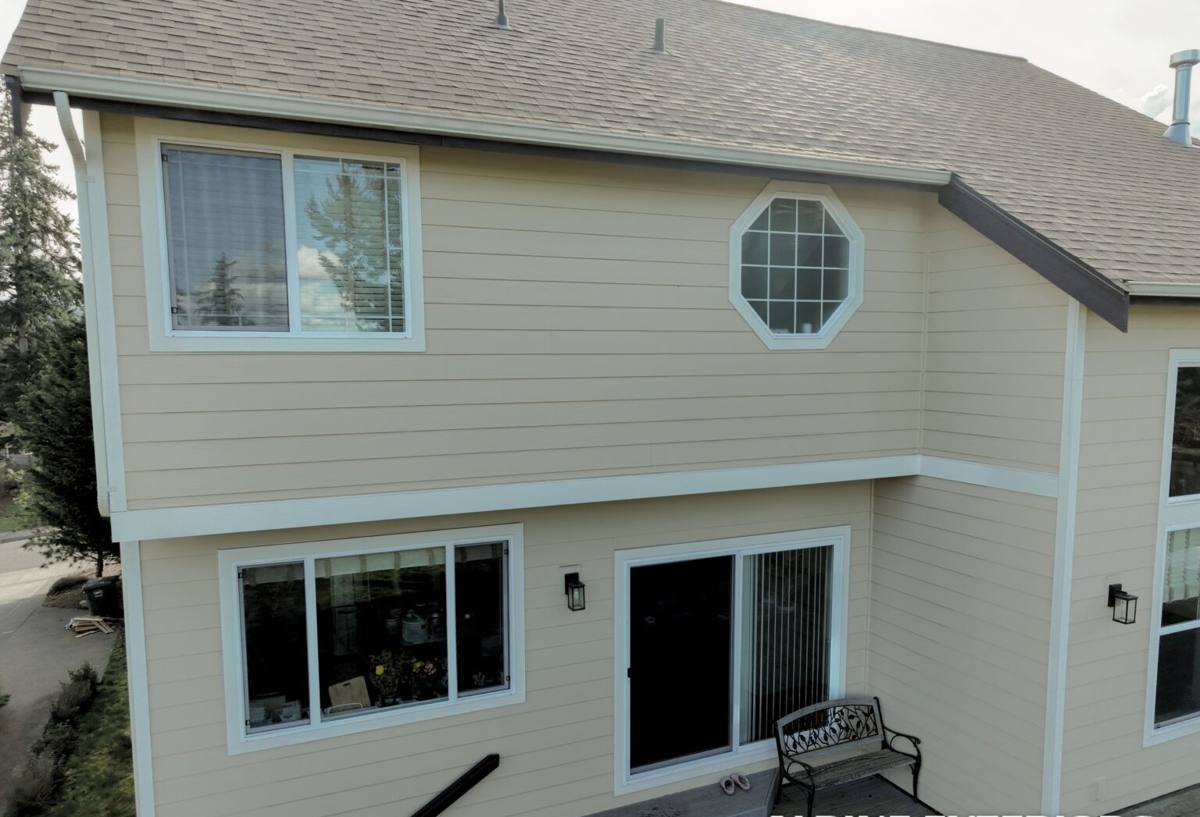
What Tampa-Area Homes Actually Need From a New Roof
Wind Resistance That Matches Real Storm Risk
Hillsborough County building code already requires wind ratings appropriate for our zone, but there's a difference between a roof that technically passes inspection and one that's installed with storm performance as the actual priority. Nail patterns, fastener count, and starter strip installation all affect how a roof performs in sustained winds — and these are places where a rushed install cuts corners that don't show up until the first real storm.
UV and Heat Durability
Florida sun is relentless. Roofing materials that are rated for northern climates often degrade faster here — asphalt oils dry out sooner, and lower-grade shingles can granule-loss and curl well before their rated lifespan. We factor UV exposure into every material recommendation for Brandon homes, not just the manufacturer's national average rating.
Moisture Management
Between afternoon thunderstorms and the humidity that sits over this area most of the year, a roof system has to manage moisture on multiple fronts: keeping wind-driven rain out at the edges and penetrations, allowing attic moisture to vent properly, and resisting the kind of mold and algae growth that shows up fast in this climate if a roof is under-ventilated.
Salt Air Exposure
Brandon isn't right on the coast, but it's close enough to Tampa Bay that salt-laden air still reaches inland neighborhoods, especially during onshore wind patterns. Salt air accelerates corrosion on exposed metal components — flashing, fasteners, vents — so material selection and metal gauge matter more here than they would further inland.
What a Correct New Roof Installation Involves
A new roof is a system, not just shingles. Every layer has a job, and skipping or shortcutting any one of them is where most premature roof failures start.
- Tear-off and deck inspection: Full removal of the old roofing material down to the deck, with every sheet of decking checked for soft spots, rot, or delamination before anything new goes down.
- Deck repair or replacement: Any damaged or undersized decking gets replaced and properly fastened — this is the structural base everything else depends on.
- Underlayment: A synthetic or self-adhering underlayment appropriate for our wind and moisture conditions, installed with correct overlap and fastening.
- Ice and water shield at vulnerable areas: While ice isn't our concern here, self-adhering membrane at valleys, eaves, and penetrations still matters for wind-driven rain protection.
- Drip edge and flashing: Properly installed metal at all roof edges, valleys, chimneys, and wall intersections — this is one of the most common places corners get cut on lower-quality installs.
- Field material installation: Shingles, tile, or metal installed to manufacturer specification and local code, with attention to nail placement and exposure.
- Ventilation: Intake and exhaust venting sized correctly for the attic, which affects both energy efficiency and how long the roofing material lasts in Florida heat.
- Final inspection and cleanup: Magnetic sweep for stray fasteners, gutter and yard cleanup, and a walkthrough of the finished roof.
Comparing Roofing Material Options for Brandon Homes
There's no single "best" roofing material for every Brandon home — the right choice depends on the home's structure, the homeowner's budget, and how long they plan to stay in the house. Here's an honest comparison of the main options we install locally.
| Material | Typical Lifespan Here | Wind Performance | Maintenance Considerations |
|---|---|---|---|
| Architectural asphalt shingles | 18–25 years | Good, with proper nailing and rated products | Lowest upfront cost; periodic inspection for granule loss and algae staining |
| Metal roofing | 40+ years | Excellent when properly fastened | Higher upfront cost; fastener and sealant checks over time, especially given salt air |
| Tile (concrete or clay) | 40–50+ years | Very good, but installation quality is critical | Heavier structural load; individual tile replacement after impact is straightforward but specialized |
| Flat/low-slope membrane (for additions, porches) | 15–20 years | Depends heavily on installation and drainage | Requires attention to ponding water and seam integrity |
We'll walk through these trade-offs honestly during an estimate — not every home is a good candidate for every material, and we'd rather tell you that upfront than sell you something that doesn't fit your roof structure or budget.
Our Process for Brandon New Roof Projects
1. On-Site Inspection and Estimate
We start with a physical inspection of the existing roof, attic ventilation, and any visible signs of deck damage. This is also when we talk through material options, budget, and timeline expectations.
2. Written Scope and Material Selection
You get a clear, written scope of work — what's being torn off, what underlayment and materials are going on, what flashing details are included, and what the warranty structure looks like. No vague line items.
3. Permitting
New roof installations in Hillsborough County require a permit. We handle the permit application and inspection scheduling as part of the job so you're not chasing paperwork.
4. Installation
Most residential re-roofs are completed in one to a few days depending on size, material, and weather. We coordinate around Florida's summer storm patterns to avoid leaving a roof exposed mid-project.
5. Final Inspection and Walkthrough
Once the county inspection is passed, we do our own final walkthrough with you, covering warranty documentation and basic maintenance expectations.
Why a Crew That Already Works Brandon Matters
Roofing crews that only occasionally work this part of Hillsborough County don't always know which local factors matter most — how Brandon's tree cover affects debris and gutter load, how quickly algae growth shows up on north-facing slopes in this humidity, or which flashing details tend to fail first on the area's mix of home styles and roof pitches. A crew that's out here regularly catches these details as a matter of routine, not as an afterthought.
There's also a practical side: local crews respond faster if something needs a warranty check or a minor adjustment after installation, and they're not stretched thin driving across the whole Tampa Bay region on every service call.
Questions to Ask Before Hiring a Roofing Contractor
Whoever you hire for a new roof, a few questions will tell you a lot about how the job will actually go:
- Are you licensed and insured to do roofing work in Florida, and can you provide proof?
- Will you pull the required Hillsborough County permit yourself, or leave that to me?
- What underlayment and flashing details are included, not just the shingle or tile brand?
- What does the manufacturer's warranty cover versus your own workmanship warranty?
- How do you handle unexpected deck damage found during tear-off, and how is that priced?
- What's the realistic timeline given current weather and material availability?
A contractor who answers these clearly and in writing, without hedging, is generally one worth trusting with a job this size.
Signs Your Brandon Home May Need a New Roof Soon
Not every roof problem means a full replacement, but a few signs are worth taking seriously rather than patching repeatedly:
- Shingles that are curling, cracking, or missing granules across large sections
- Visible sagging anywhere on the roof deck
- Daylight visible through the attic roof boards
- Recurring leaks in the same area despite repairs
- A roof approaching or past the upper end of its material's expected lifespan
- Storm damage significant enough that insurance has flagged the roof
If you're seeing more than one of these, it's usually more cost-effective in the long run to plan a full replacement than to keep patching a roof that's nearing the end of its service life.
Get a Free Estimate for Your Brandon Home
If you're weighing a new roof for your Brandon home, we're happy to come out, take an honest look, and walk you through what your specific roof actually needs — no pressure, no inflated scare tactics. Fill out the form below to schedule a free estimate.