 Tampa Roofing
 Window Installation in Brandon: Built for What This Climate Actually Does
Brandon sits inland enough from Tampa Bay to avoid direct coastal exposure, but it still takes the full brunt of everything that moves through Hillsborough County: tropical-strength wind gusts, months of intense subtropical sun, wind-driven rain that finds every gap in a poorly sealed frame, and a steady dose of salt-laden air carried in off the Gulf. Windows in this area don't fail because they're old in the way a window in a mild climate ages out gracefully. They fail because heat cycles the glass and frame material every single day, humidity pushes moisture into places it was never designed to go, and every named storm season puts real pressure on the seal, the frame, and the anchoring behind it.
A window installation done right in Brandon isn't just "put a new window where the old one was." It's a moisture-management job, a wind-load job, and an energy-performance job all at once. Get any one of those wrong and you end up with a window that looks fine for a year or two and then starts leaking, fogging, or rattling loose.
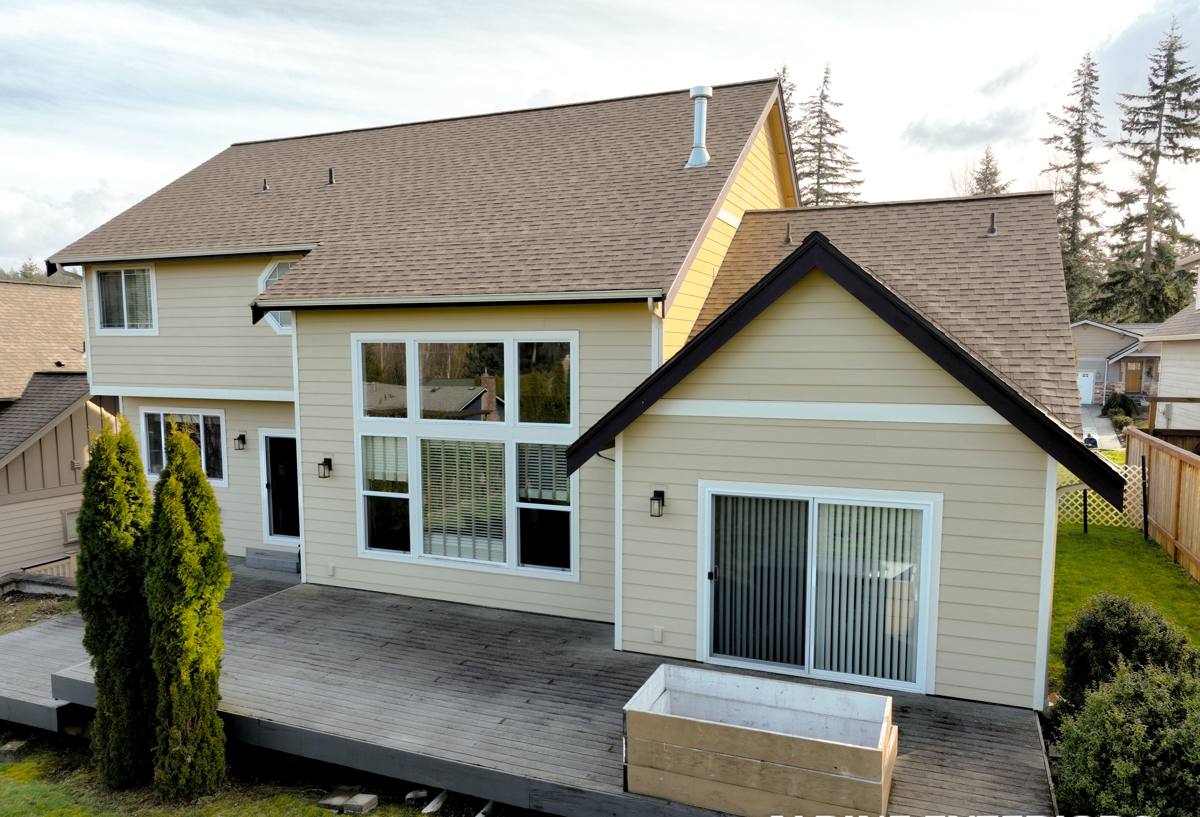
What Tampa Bay's Climate Does to Windows Over Time
UV and Heat Cycling
Florida sun is relentless on window frames and seals almost year-round. Vinyl frames without adequate UV stabilizers can chalk, warp, or discolor. The sealants and gaskets that keep water out are constantly expanding and contracting with daily temperature swings, and that cycling is what eventually breaks a seal down — long before the glass itself shows any wear.
Wind-Driven Rain
Rain in this region rarely falls straight down. During storms and even routine summer downpours, wind pushes water sideways and upward against the building envelope. A window that isn't flashed and sealed correctly at the rough opening will let water track in around the frame long before you ever see a drip inside — often showing up first as stained drywall, bubbling paint, or a musty smell near the sill.
Wind Load and Pressure
Hillsborough County sits in a wind zone that requires windows to be rated for real structural pressure, not just impact resistance at the glass. A window can have the right glass and still fail if the frame, anchors, or opening weren't built to handle the pressure a hurricane-force gust puts on the whole assembly.
Salt Air and Humidity
Even away from the immediate coastline, salt-laden air moves inland and accelerates corrosion on hardware, screws, and metal components. Combined with Tampa's humidity, this is also why moisture that gets behind a window doesn't just sit there — it feeds mold and rot in the surrounding wall framing if it isn't stopped at the source.
Signs a Brandon Home Needs Window Replacement or a Proper Reinstall
Some of these show up gradually, and homeowners often assume they're normal for an older house. They're not — they're usually a sign the original installation or the window itself is past its functional life.
- Visible daylight or a draft around the frame when the window is closed
- Fogging or a permanent haze between panes of double-glazed glass (a failed seal)
- Frames that feel soft, chalky, or show cracking at the corners
- Difficulty opening, closing, or locking the window without force
- Water staining on interior drywall or the sill after heavy rain
- Noticeably higher cooling bills compared to similar-sized homes nearby
- Rattling or whistling during windy conditions
- Visible gaps between the frame and the surrounding wall or trim
What a Correct Window Installation Actually Involves
Removing the Old Window Without Damaging the Opening
The rough opening behind the window matters as much as the window itself. Careless removal can crack stucco, tear house wrap, or damage framing that then gets covered up instead of repaired — setting the new window up to fail the same way the old one did.
Flashing and Moisture Management
This is the step that gets skipped most often by crews that aren't used to Florida's rain patterns, and it's the one that matters most here. Proper flashing tape and sill pans direct any water that does get past the exterior seal back outside instead of into the wall cavity. This is the difference between a window that survives twenty years of wind-driven rain and one that quietly rots the framing behind it.
Fastening and Anchoring to Wind Zone Requirements
The window has to be anchored into structural framing, not just the surrounding stucco or siding, using fasteners and spacing that meet the wind load requirements for this part of Hillsborough County. This is inspected work, and it's not optional.
Sealing, Shimming, and Squaring
A window that isn't shimmed level and square will stress the frame every time it's opened or closed, and it will never seal evenly. Sealant goes on after the window is fastened and squared — not as a substitute for a tight physical fit.
Interior and Exterior Finish Work
The trim, caulk lines, and any stucco or siding patching around the new window should look like they were never disturbed. This is also where a rushed job shows — gaps in caulk or mismatched trim are usually a sign the crew moved too fast through the steps that don't show.
Choosing the Right Window for Brandon's Wind and Sun
There isn't one "best" window for every home — it depends on your budget, how exposed the home is, and how much of the wind mitigation you want built into the glass itself versus handled with shutters or panels. Here's how the common options generally compare for this climate:
| Frame Material | Wind/Impact Performance | Maintenance | Typical Lifespan | Best For |
|---|---|---|---|---|
| Vinyl (impact-rated) | Good, with reinforced frames | Low | 20-30 years | Most homes seeking value and low upkeep |
| Fiberglass | Very good, dimensionally stable in heat | Low | 30+ years | Homeowners wanting less warping over time |
| Aluminum | Strong when properly reinforced | Moderate (watch for corrosion near hardware) | 20-25 years | Larger openings needing slimmer frames |
| Wood-clad | Depends on cladding and installation | Higher | Varies widely | Homeowners prioritizing a specific interior look |
On the glass side, laminated impact glass (often marketed as "impact windows") resists penetration from wind-borne debris and, in most cases, lets you skip separate storm shutters. Non-impact glass paired with code-compliant shutters or panels is a legitimate, lower-cost path to the same wind protection, but it means you have to actually deploy that protection before a storm — every time. We'll walk through both honestly based on your home and budget rather than pushing one option across the board.
Our Window Installation Process
- On-site assessment — we look at your current windows, the condition of the openings, sun exposure on each side of the house, and what's realistic for your budget.
- Product selection — we walk through frame material, glass package, and impact vs. shutter-based wind protection based on that assessment, not a one-size pitch.
- Permitting — window replacement in unincorporated Hillsborough County and most surrounding municipalities requires a permit and inspection; we handle that paperwork.
- Careful removal — old units come out without unnecessary damage to stucco, siding, or framing.
- Opening prep and flashing — any damaged framing gets addressed before the new window ever goes in, and moisture flashing goes in correctly the first time.
- Installation, squaring, and anchoring — set, shimmed level and plumb, and fastened to meet local wind load requirements.
- Sealing and finish work — exterior sealant, interior trim, and any stucco or siding patching to match the surrounding wall.
- Final walkthrough and inspection sign-off — we confirm proper operation, sealing, and that the work is ready for the required municipal inspection.
Permits, Codes, and Wind Zone Requirements
Window replacement in this part of Florida is governed by the Florida Building Code's wind-borne debris and high-velocity hurricane zone provisions, and Hillsborough County enforces permitting and inspection on most window replacement projects — not just full renovations. Skipping the permit might save a little time up front, but it creates real problems later: an uninspected window can complicate insurance claims after storm damage, and it can become a disclosure issue when you sell the home. We pull permits as a standard part of the job, not an upsell.
Why Hire a Crew That Already Works in Brandon
A crew that regularly works in and around Brandon already understands the local permitting process, knows which inspectors are checking for what, and has a realistic sense of how homes in this area are typically built — slab construction, common wall assemblies, and the age ranges of housing stock in the neighborhood. That translates into fewer surprises mid-job and fewer callbacks after the fact.
It also means faster response if something needs a follow-up visit. A company with an established local presence doesn't have to schedule a multi-hour drive to come back and check a caulk line or address a warranty question — that matters more than it sounds like once the job is actually done and you're living with the result through your first storm season.
How to Vet a Window Contractor in This Area
Because window installation is inspected, permitted work with real wind-load consequences if it's done wrong, it's worth being deliberate about who does it.
- Confirm active Florida contractor licensing and insurance before any work starts
- Ask specifically who pulls the permit — it should be the contractor, not left to you
- Ask how they handle flashing and moisture management, not just which window brand they sell
- Get the wind rating and glass package specified in writing, not just "impact windows"
- Ask about warranty coverage on both the product and the labor separately
- Be cautious of pricing that seems far below other quotes for the same product and scope — it's usually cut from somewhere in the installation quality
Maintaining New Windows in a Florida Climate
Even a correctly installed window benefits from basic upkeep in this environment. Rinse frames and hardware periodically to cut down on salt residue buildup, especially after storms. Check exterior caulk lines once or twice a year for cracking or separation, since UV exposure breaks down sealant faster here than in milder climates. Keep weep holes at the base of the frame clear of debris so any water that does reach them can drain out as designed. None of this is complicated, but skipping it is how a good installation starts developing the same problems years earlier than it should.
If you're weighing whether it's time to replace windows on a Brandon home, we're happy to take a look and give you a straightforward read on condition, options, and realistic cost — no pressure, no hard sell. Use the form below to request a free estimate.