 Tampa Roofing
 Windows Built for Carrollwood, Not for a Catalog
Carrollwood sits inland from the bay but still takes the full brunt of a Hillsborough County summer and every named storm that tracks through West Central Florida. A window that was installed decades ago on a builder-grade budget is rarely doing its job anymore — not against hurricane-force wind gusts, not against the wind-driven rain that finds every gap in an old frame, and not against the daily grind of intense year-round UV and salt-laden air pushing in off the Gulf. When we talk about "custom windows" for a Carrollwood home, we mean windows sized, engineered, and specified for that specific house and that specific exposure — not a stock size forced into an opening that was never quite square to begin with.
This page covers what custom window work actually involves in this neighborhood, what a correct installation looks like, and how our process runs from first call to final walkthrough.
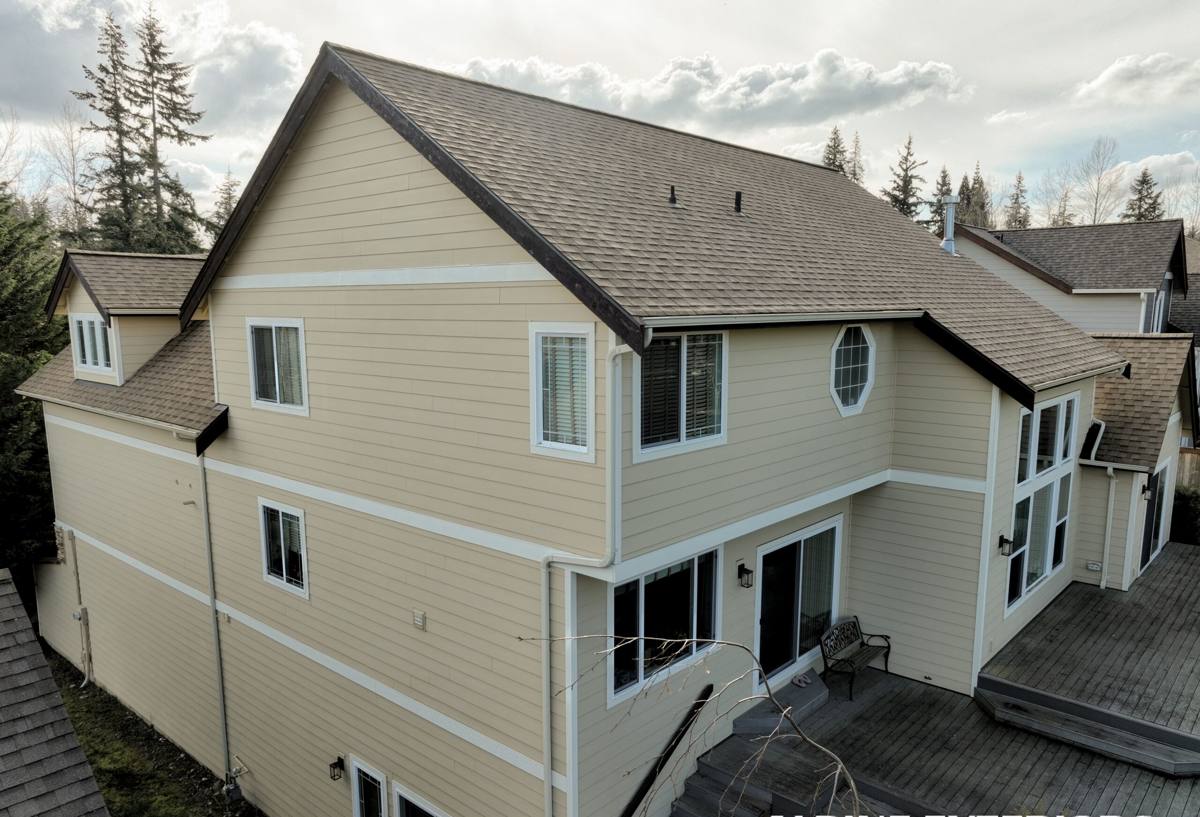
What Local Homes Are Actually Up Against
Wind and Pressure
Hillsborough County building code requires windows to meet specific wind-load and impact standards, and that requirement exists because straight-line and hurricane winds create both direct pressure on the glass and pressure differentials inside the house when a window fails. A window that isn't rated for the load on your specific elevation — corner units and upper floors typically see higher pressures than a sheltered ground-floor opening — is a weak point in the whole envelope, not just an inconvenience.
Wind-Driven Rain
Tropical systems and even routine summer storms in this area rarely deliver rain that falls straight down. It comes in sideways, and it finds any window where the flashing, sealant, or frame fit has degraded. Water intrusion around a window is one of the more common — and more avoidable — sources of interior damage we get called out for in this part of Tampa.
UV and Heat
Florida sun is hard on everything, but it's especially hard on window components: vinyl can chalk and become brittle, seals can dry out and shrink, and low-quality glass coatings can degrade unevenly, leaving a window that looks fine from the street but is letting far more heat into the house than it should. Over years, that shows up as a higher cooling bill and hot spots in rooms that face west or south.
Salt Air
Carrollwood isn't waterfront, but Tampa Bay's salt air still travels inland and accelerates corrosion on hardware, screws, and unprotected metal components over time. It's a slower factor than wind or UV, but it matters for how long hinges, locks, and balance systems keep working smoothly.
What "Custom" Means in Practice
A custom window job isn't a marketing term — it's a set of real decisions made for your specific house:
- Exact opening measurements — older Carrollwood homes often have openings that have shifted slightly with decades of settling, so factory-standard sizes rarely fit cleanly.
- Frame material matched to the application — vinyl, aluminum, or fiberglass, chosen based on the opening size, the home's architecture, and budget.
- Glass package matched to sun exposure — a west-facing wall of windows has different needs than a shaded north side.
- Impact rating matched to wind zone requirements — verified against current Hillsborough County code for your address, not assumed.
- Grille pattern, frame color, and interior/exterior finish — matched to the home's existing look, especially important when you're replacing some windows now and others later.
Skipping any one of these and using an off-the-shelf size or spec is how homeowners end up with windows that technically function but never quite seal right, never quite match the house, or fail a wind-load inspection when it's time to sell.
Frame Materials: What Holds Up Here
| Material | Strengths in this climate | Trade-offs |
|---|---|---|
| Vinyl | Won't corrode, good insulation value, lower cost | Can expand/contract with heat; quality varies widely by manufacturer |
| Aluminum | Strong, slim sightlines, handles wind load well | Conducts heat unless thermally broken; needs corrosion-resistant hardware near the bay |
| Fiberglass | Very stable in heat and UV, long service life | Higher upfront cost |
We don't push one material as universally "best" — the right call depends on your budget, the size of the openings, and how long you plan to stay in the home. What we won't do is install a frame type that's a poor match for the opening just because it's cheaper to source, since that trade-off shows up later as sealant failures or a window that's harder to operate.
Glass and Impact Compliance
For most Carrollwood homes, the real decision is between impact-rated glass and non-impact glass paired with separate storm protection like shutters or panels.
Impact-Rated Glass
Laminated glass with an interlayer that holds together under impact, set in a frame engineered to stay intact under wind pressure. It stays in place permanently — no deploying shutters before a storm — and it also cuts down on outside noise and UV transmission every single day, not just during hurricane season.
Non-Impact Glass with Separate Protection
Lower upfront cost on the window itself, but it shifts the storm-prep burden onto shutters or panels that have to be installed correctly, every time, before a storm arrives. It's a reasonable option for some budgets, but it depends on someone being home and available to deploy protection with enough lead time.
Whichever route you choose, the window has to be installed to match its rating — a correctly rated window in an incorrectly sealed or fastened frame doesn't perform to spec in an actual storm.
Our Installation Process
- On-site assessment — we measure every opening individually and check for issues behind the existing trim: rot, settling, or old flashing that needs to be addressed before a new window goes in.
- Spec and selection — we walk through frame material, glass package, and impact rating options based on your budget and that window's exposure.
- Permitting — impact-rated window work typically requires a permit and inspection under Hillsborough County code; we handle that paperwork rather than leaving it to you.
- Removal and prep — old units come out carefully to avoid unnecessary damage to surrounding stucco, siding, or interior trim.
- Installation — proper shimming, fastening to the manufacturer's specified pattern, and flashing and sealing designed to shed wind-driven rain rather than trap it.
- Inspection and walkthrough — we confirm smooth operation, a clean seal, and that the finished look matches what was agreed on before we consider the job done.
Signs a Window Needs Attention
- Fogging or moisture between panes (a failed seal on a dual-pane unit)
- Visible daylight or a draft around the frame when closed
- Difficulty opening, closing, or locking — often a sign the frame has shifted
- Soft spots, discoloration, or bubbling paint on the surrounding wall or trim
- A noticeable jump in cooling costs with no other explanation
- Chalky, brittle, or cracked frame material, especially on west- or south-facing windows
- Rust streaks on hardware or hinges
Any one of these is worth a look. Several of them together usually means the windows are past the point where repair makes more sense than replacement.
What Drives Cost
| Factor | Why it matters |
|---|---|
| Impact rating | Impact-rated glass and frames cost more upfront than non-impact units |
| Opening size and count | Larger openings and whole-house jobs change both material and labor totals |
| Frame material | Fiberglass generally costs more than vinyl; aluminum falls in between depending on the line |
| Structural condition | Rot or settling behind old trim adds repair work before the new window goes in |
| Access and second-story work | Upper-floor windows or tight access add labor time |
We give a written, itemized estimate before any work starts so you can see exactly what's driving the number — there's no reason a homeowner should have to guess at what they're paying for.
Maintenance That Actually Extends the Life of Your Windows
Custom-installed windows still need basic upkeep to get their full service life out of them, especially in this climate:
- Rinse frames and tracks periodically to clear salt residue and grit that can wear down seals and hardware
- Check and re-lubricate locks and hinges annually
- Inspect exterior caulking and sealant yearly, since UV exposure breaks it down faster here than in milder climates
- Clear weep holes so water drains properly instead of pooling in the frame
None of this is complicated, but it's the difference between a window system that lasts its full rated lifespan and one that starts failing early because small issues went unaddressed.
Why a Crew That Already Works Carrollwood Matters
Window work in this neighborhood isn't identical to window work everywhere else in the state. A crew that regularly works Carrollwood and the surrounding Tampa area already knows the housing stock common to the area, already has a working relationship with the Hillsborough County permitting process, and already understands what wind zone and code requirements apply to a given street. That familiarity shows up in fewer surprises during the job — fewer change orders for issues that should have been caught in the initial assessment, and fewer permitting delays from paperwork that wasn't filled out correctly the first time.
It also matters after the sale. A local crew is the one you can actually call back next year if a seal starts to fail or a lock sticks, not a name from an out-of-town outfit that moved on after the invoice was paid.
Ready to Talk About Your Windows?
If your Carrollwood home has windows that are drafty, hard to operate, or just past their useful life, we're happy to take a look and walk you through honest options for your budget and exposure — no pressure, no obligation. Fill out the form below for a free estimate.