 Tampa Roofing
 Roof Repair Built Around How Carrollwood Homes Actually Age
Carrollwood is one of the older, more established residential pockets on Tampa's north side, and that matters when it comes to roofing. A lot of the housing stock here went up in waves from the 1970s through the 1990s, with newer infill and remodels mixed in more recently. That means on any given street you'll find dimensional shingle roofs pushing 20 years, tile roofs from the 80s and 90s with underlayment well past its service life, and a smaller number of newer roofs that are still holding up well. A roofer who works this neighborhood regularly gets a feel for which vintage of home tends to have which failure points, and that saves homeowners time and unnecessary tear-off.
This page covers roof repair specifically — patching, leak resolution, storm damage fixes, and targeted section replacement — for Carrollwood homes. It's not a general "roofing services" page. If your roof needs full replacement rather than repair, that's a different conversation, and a straight answer about which one you actually need is part of what a proper inspection should give you.
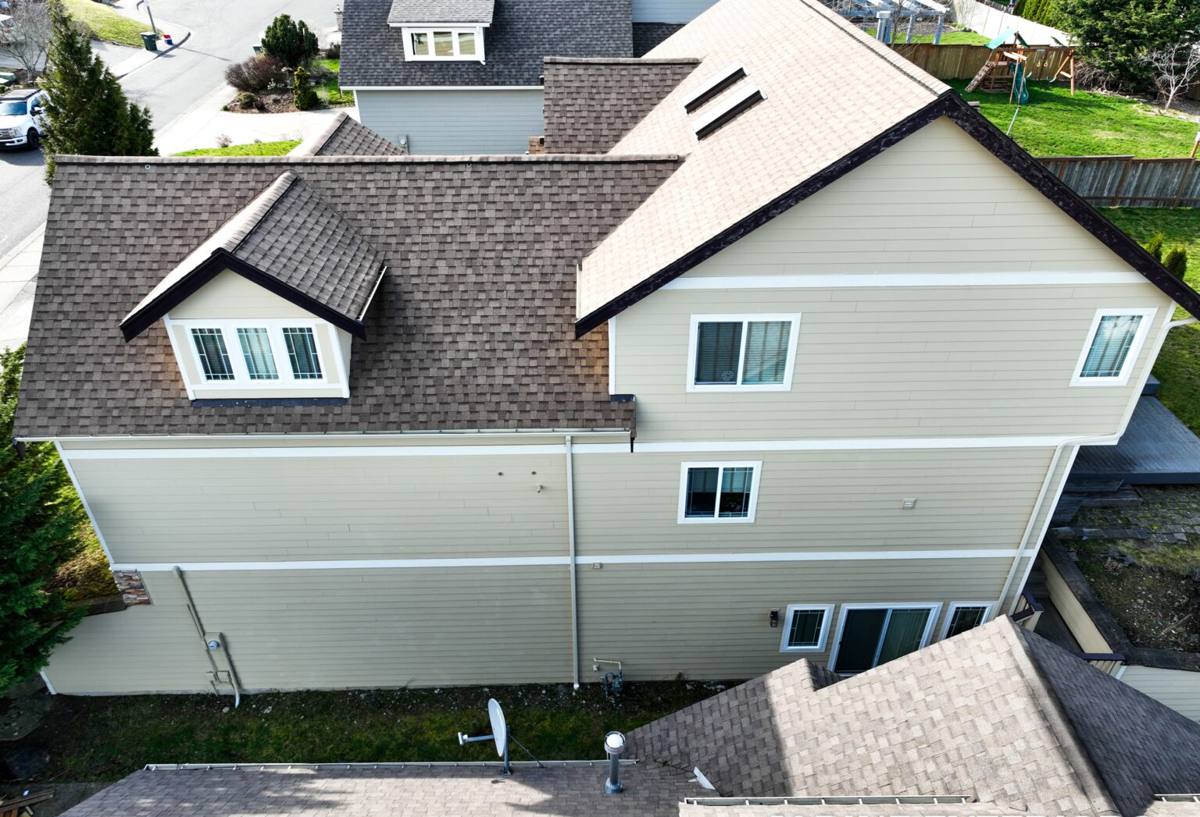
What Tampa's Climate Does to a Carrollwood Roof
Hillsborough County sits squarely in a zone that punishes roofing materials from multiple directions at once, and Carrollwood's tree canopy and inland location don't exempt it from any of that.
Hurricane and Tropical-Storm Wind
Wind-driven damage doesn't always mean a dramatic blow-off. More often it's a few shingles lifted at the tabs, a section of ridge cap loosened, or fasteners backed out just enough to break the seal underneath. Those small failures let water in during the next rain event even if the roof looks intact from the driveway.
Year-Round UV Exposure
Florida's sun is relentless on roofing materials essentially twelve months a year. UV breaks down the asphalt oils in shingles over time, making them brittle and prone to cracking, and it degrades exposed sealants and flashing components faster than in most of the country. A roof that would last three decades in a milder climate often shows real wear well before that here.
Wind-Driven Rain
Tampa storms rarely fall straight down. Wind pushes rain sideways and upward under shingle tabs, tile laps, and flashing edges — areas that were never designed to shed water from that angle. This is why so many "mystery leaks" trace back to a small gap at a valley, vent boot, or wall flashing rather than an obvious hole in the roof field.
Salt Air
Carrollwood is inland compared to the immediate coast, but Tampa Bay's proximity still puts a measurable amount of salt-laden air into circulation across the county. Salt accelerates corrosion on metal flashing, fasteners, and drip edge, which is part of why metal components on an older roof are often the first thing to fail, even when the shingles or tile themselves still look serviceable.
Common Repair Calls We See in This Neighborhood
- Wind-lifted or missing shingles after a squall or tropical system, usually concentrated on the roof's windward slope or near ridges and hips.
- Flashing failures around chimneys, skylights, and wall-to-roof transitions, where sealant has aged out and metal has started to separate from the surface it was fastened to.
- Cracked or slipped tiles on older tile roofs, often from foot traffic during other repairs, tree limb strikes, or age-related brittleness.
- Vent boot deterioration — the rubber collar around plumbing stacks is one of the shortest-lived components on any Florida roof and a frequent leak source.
- Valley leaks where two roof planes meet and water volume concentrates, especially on roofs with older or improperly lapped valley material.
- Soft decking or interior staining from a slow leak that's been running longer than the homeowner realized, sometimes discovered only when a repair elsewhere exposes the sheathing.
What a Correct Repair Actually Involves
A roof repair done right is not just "find the hole, cover it." It requires understanding why water got in, whether that entry point is isolated or a symptom of broader wear, and matching the fix to the existing roof system so it performs the same way the surrounding material does.
Diagnosis Before Anything Gets Touched
This starts with a physical inspection of the roof surface, not just the ceiling stain inside. Water often travels along decking or underlayment before it shows up indoors, so the visible leak location and the actual entry point can be several feet apart. A good repair traces that path rather than patching where the stain appears.
Matching Materials, Not Just Colors
On shingle roofs, granule wear and color fading happen unevenly across a roof's life, so a patch using new shingles will rarely blend seamlessly — but it should match in profile, weight, and installation method so it performs identically, even if it's slightly visible. On tile roofs, matching profile and color is more involved, and reusing salvageable existing tile where possible is often the better call over forcing in mismatched replacements.
Underlayment and Flashing, Not Just Surface Material
The visible shingle or tile is the roof's outer skin; underlayment and flashing are what actually keep a home dry when that skin is compromised. A repair that replaces surface material without addressing degraded underlayment or corroded flashing underneath is a short-term fix that tends to fail again within a season or two.
Sealing and Fastening to Code-Level Wind Resistance
Hillsborough County's building code reflects the area's wind exposure, and repairs should be fastened and sealed to hold up under the same wind loads the original roof was designed for — not just enough to look finished.
Our Repair Process
- Initial inspection. We walk the roof (weather permitting) and assess the interior ceiling and attic if there's an active leak, documenting what we find with photos.
- Honest scope discussion. We tell you what's actually needed — a localized patch, a broader section repair, or, if the roof is genuinely past the point of economical repair, that too. We'd rather lose a repair job than sell you a patch on a roof that needs replacement.
- Written estimate. Scope and price in writing before any work starts, so there are no surprises.
- The repair itself. Removal of the failed material, inspection and repair of decking and underlayment as needed, installation of matched material, and proper flashing and sealant work.
- Cleanup and final walk-through. Debris and old material removed, work area cleared, and we walk you through what was done.
Repair vs. Replacement: How to Think About the Decision
Not every leak means you need a new roof, and not every roof that "just needs a patch" is actually a good repair candidate. The table below covers the general factors that tend to point one direction or the other — but the only way to know for certain is an actual inspection of your specific roof.
| Factor | Leans Toward Repair | Leans Toward Replacement |
|---|---|---|
| Age of roof | Well within expected service life for the material | At or beyond typical lifespan for the material type |
| Extent of damage | Isolated to one section or component | Multiple areas failing independently |
| Underlayment condition | Still intact and pliable where exposed | Brittle, torn, or degraded broadly |
| Decking condition | Solid, no soft spots | Soft, rotted, or water-stained in multiple areas |
| Storm history | Single recent event, otherwise sound roof | Cumulative damage from repeated storms over years |
| Prior repair history | First or infrequent repair needed | Recurring repairs to different areas over time |
Why It Matters to Hire a Crew That Already Works Carrollwood
A roofer who's unfamiliar with the neighborhood isn't automatically incapable, but there's real value in local familiarity. It means knowing which streets sit in older platted sections with roofs that are due for closer scrutiny, understanding how Hillsborough County's permitting and inspection process works for repair-level jobs, and being able to respond quickly after a storm rolls through the area rather than being booked out for weeks servicing crews from across the region. It also means accountability — a local, established crew has a reputation in the community to maintain, not just a one-time job to close out.
Tampa Roofing Co is based in the area and works Hillsborough County roofs regularly, including Carrollwood and the surrounding neighborhoods. We're not a storm-chasing outfit that shows up after a hurricane and disappears once the insurance checks clear.
Insurance and Storm Damage Repairs
When a repair is tied to a specific storm event, documentation matters. We photograph damage before and during the repair and can provide the kind of documentation insurance adjusters typically want to see. We're not a public adjuster and we don't handle your claim for you, but we can give you an honest, professional assessment of what's storm-related damage versus what's pre-existing wear — which matters because insurers draw that distinction closely, and an honest scope holds up better than an inflated one.
What a Homeowner Should Check Between Professional Inspections
You don't need to get on the roof yourself, and we'd recommend against it. But a few ground-level and interior checks can help you catch a developing problem before it becomes a bigger repair.
- Check attic spaces after heavy rain for damp insulation, staining on the underside of decking, or a musty smell.
- Look at ceilings and upper walls periodically for new discoloration, even faint yellowish rings.
- After any significant storm, scan the yard and gutters for granules, shingle fragments, or displaced tile pieces.
- Keep gutters and downspouts clear — backed-up water can push under roof edges it would otherwise never reach.
- Note any new sagging, even slight, along roof lines or in ceilings, and treat it as a call-now situation rather than a wait-and-see one.
Get a Straight Answer on Your Roof
If you're dealing with a leak, storm damage, or a roof that just needs a professional set of eyes on it, we're glad to come take a look. The estimate is free, there's no pressure to move forward, and if what you actually need is a small repair rather than anything bigger, we'll tell you that. Fill out the form below to get started.