 Tampa Roofing
 Carrollwood's Climate Is Hard on Siding
Carrollwood sits inland from Tampa Bay, but "inland" doesn't mean sheltered. Homes here still take the full brunt of a Gulf Coast weather cycle: months of intense, nearly overhead UV that bakes exterior surfaces, sudden summer storms that drive rain sideways into wall assemblies, and the occasional hurricane-strength wind event that tests every seam, joint, and fastener in the siding system. Add in the salt-laden air that drifts across Hillsborough County even well away from the immediate coastline, and you have a climate that's genuinely tough on exterior cladding — tougher than most siding products were originally engineered for.
Siding repair in this environment isn't just cosmetic patchwork. It's about restoring a weather barrier that has a specific job to do, on a house that will keep facing the same conditions that damaged it in the first place. A repair that doesn't account for wind uplift, UV exposure, and moisture intrusion is a repair that fails again within a year or two.
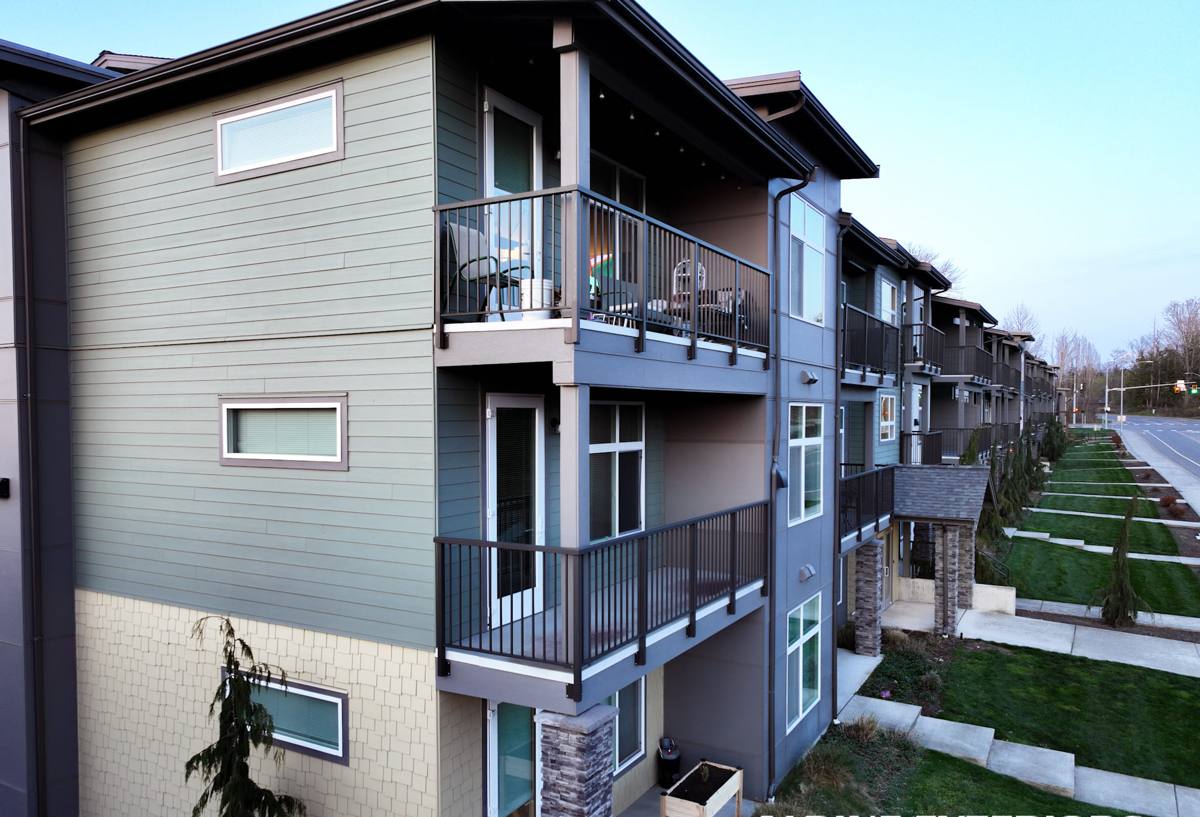
Signs a Carrollwood Home Needs Siding Repair
Wind and Impact Damage
After any strong storm, walk the perimeter of the house and look for cracked, dented, or missing panels — especially on the sides that face open yard or take the prevailing wind. Loose panels that flex or rattle in a breeze are a sign fasteners have backed out or the panel itself has started to warp.
Moisture and Rot Signs
Wind-driven rain finds any gap in flashing, caulking, or panel overlap. Look for soft spots, dark staining, bubbling paint, or a spongy feel near window trim, corners, and the bottom courses of siding closest to grade. These are the areas where water collects and sits the longest.
Fading, Chalking, and Surface Breakdown
Constant UV exposure breaks down pigments and surface coatings over time. Chalky residue on your hand after wiping the siding, or noticeably uneven color from one wall to the next, usually means the factory finish is failing — and once the finish goes, the substrate underneath is exposed to moisture it wasn't designed to handle unprotected.
What a Correct Siding Repair Job Actually Involves
Diagnosing the Real Cause
A cracked panel is a symptom, not the diagnosis. Before any repair starts, the real question is why that panel failed — bad fastening, missing flashing, a moisture source behind the wall, or simple age and UV wear. Replacing the visible damage without fixing the underlying cause just buys you a shorter repeat repair down the road.
Matching Material and Profile
Siding repair only looks and performs right when the replacement piece matches the existing plank in profile, exposure, and finish. Mismatched material is one of the most common repair failures we see — a patch that's visibly a different product, a different thickness, or a slightly different color that never quite blends in, even after painting.
Sealing and Flashing Details
The visible panel is only part of the system. Correct repair work re-establishes proper flashing at windows, doors, and butt joints, and uses the right sealants at penetrations — the details that actually keep wind-driven rain out of the wall assembly, not just cover the hole that's visible from the street.
Why We Repair Only With James Hardie Fiber Cement
We standardized on James Hardie fiber cement for every job we do, including repairs, and we don't install vinyl, LP SmartSide, Cemplank, Allura, or raw wood siding. For repair work specifically, that standard matters even more than it does on new installs, because a repair has to match what's already performing well on the rest of the house.
Hardie's fiber cement is non-combustible and dimensionally stable, so a properly repaired section doesn't expand, contract, or weather at a different rate than the surrounding panels — a real problem with mismatched materials in Florida's heat-and-humidity cycle. Where the original siding is factory-finished with Hardie's ColorPlus coating, we can match repairs to that finish far more reliably than to a field-painted product, because ColorPlus is baked on under controlled conditions and warranted separately from the substrate. And where a full section needs replacing rather than patching, Hardie's HZ5 line is engineered specifically for high-humidity, storm-prone climates like ours — it's the same product logic that led us to refuse to install materials that don't hold up as well here long-term.
We're not going to tell you every other product is worthless — vinyl is cheap and easy to source, LP SmartSide has real fans, and cedar has genuine appeal. But for repair work that has to blend into and perform alongside an existing wall system in Hillsborough County's climate, fiber cement is what we're willing to put our name behind.
Our Repair Process, Start to Finish
- Inspection: We walk the full exterior, not just the damaged area, checking fasteners, flashing, trim, and caulking for related issues that haven't shown visible damage yet.
- Diagnosis: We identify the cause of the failure — impact, wind uplift, moisture intrusion, or age-related breakdown — so the repair addresses the source, not just the symptom.
- Scope and estimate: You get a clear, written explanation of what needs repair versus what's simply cosmetic, with honest pricing before any work begins.
- Material matching: We source Hardie planks, trim, and ColorPlus finishes that match your home's existing profile and color as closely as the product line allows.
- Repair execution: Damaged sections are removed, the underlying weather barrier and flashing are corrected where needed, and new material is installed to Hardie's fastening and clearance specifications.
- Final check: We inspect seams, caulk lines, and paint blending before calling the job done, and walk you through what was found and fixed.
Repair or Replace? Cost and Decision Factors
Not every damaged wall needs full replacement, and not every repair is worth doing on its own. The table below covers the main factors that push a decision one way or the other.
| Factor | Favors Repair | Favors Full Replacement |
|---|---|---|
| Extent of damage | Isolated panels or sections | Damage spread across multiple walls |
| Age of existing siding | Siding is under 10-15 years old | Siding is near or past its expected service life |
| Underlying cause | One-time impact or storm event | Chronic moisture intrusion or systemic flashing failure |
| Color/finish match | Original ColorPlus finish still available or easily matched | Finish has faded unevenly across the whole house |
| Budget priority | Lower upfront cost, targeted fix | Higher upfront cost, resets the clock on the whole exterior |
Broadly, spot repairs to a section of a home are a fraction of the cost of a full re-side, but they're only the right call when the damage is genuinely contained and the rest of the siding is sound. We'll tell you honestly which category your house falls into rather than upselling a replacement you don't need — or patching over a problem that's going to keep resurfacing.
Why Hiring a Crew That Already Works Carrollwood Matters
Siding repair is detail work, and the details that matter change by region. A crew that regularly works in and around Tampa already knows which orientations take the worst wind-driven rain, how salt air accelerates fastener corrosion compared to inland climates, and what Hillsborough County's permitting and wind-zone requirements expect for exterior repair work. That familiarity shows up in small but important decisions — which flashing details to double-check, how tight to set clearances given our humidity, and which repairs are worth doing now versus which will just need redoing after next hurricane season.
It also means faster response when storm damage hits a whole neighborhood at once. A crew with local routes and local material relationships isn't starting from zero when Carrollwood needs repairs after a wind event — they're already positioned to get to your house and get the right materials on hand.
Keeping Repaired Siding Sound Long-Term
Once a repair is done right, a little seasonal attention keeps it — and the rest of your siding — performing as it should.
- Rinse siding periodically to remove salt residue, especially on walls facing open exposure.
- Re-caulk around windows, doors, and trim if you notice cracking or gaps, before the next rainy season.
- Trim back landscaping so foliage isn't holding moisture against the siding surface.
- After any major storm, do a quick visual walk of the exterior looking for loose panels or new cracks.
- Address small chips or cracks promptly — they're inexpensive to fix now and expensive to ignore.
If you're noticing damage, fading, or soft spots on your Carrollwood home's siding, we're happy to come take a look and give you a straight answer on what it needs. The estimate is free, there's no pressure to move forward, and you'll walk away knowing exactly what's going on with your exterior.