 Tampa Roofing
 Carrollwood Roofs Face a Specific Kind of Wear
Carrollwood sits inland from Tampa Bay, but that doesn't mean the roofs here get an easy ride. Hillsborough County sits squarely in the path of tropical systems every hurricane season, and Carrollwood's mature tree canopy — one of the things that makes the area attractive — also means more limb strikes, more debris in gutters, and more shade-to-sun cycling on shingles than you'd see in a newer, treeless subdivision. Add in Florida's punishing year-round UV exposure, sudden wind-driven rain events that show up with almost no warning in the summer, and the humid, salt-tinged air that moves inland off Tampa Bay and accelerates corrosion on fasteners and flashing, and you've got a roof system that's working hard every single day, not just during named storms.
Storm damage repair in this context isn't just "patch what's obviously broken." It's understanding how a specific storm event interacted with a specific roof — its age, its material, its slope, its exposure to wind direction — and repairing it in a way that holds up through the next one.
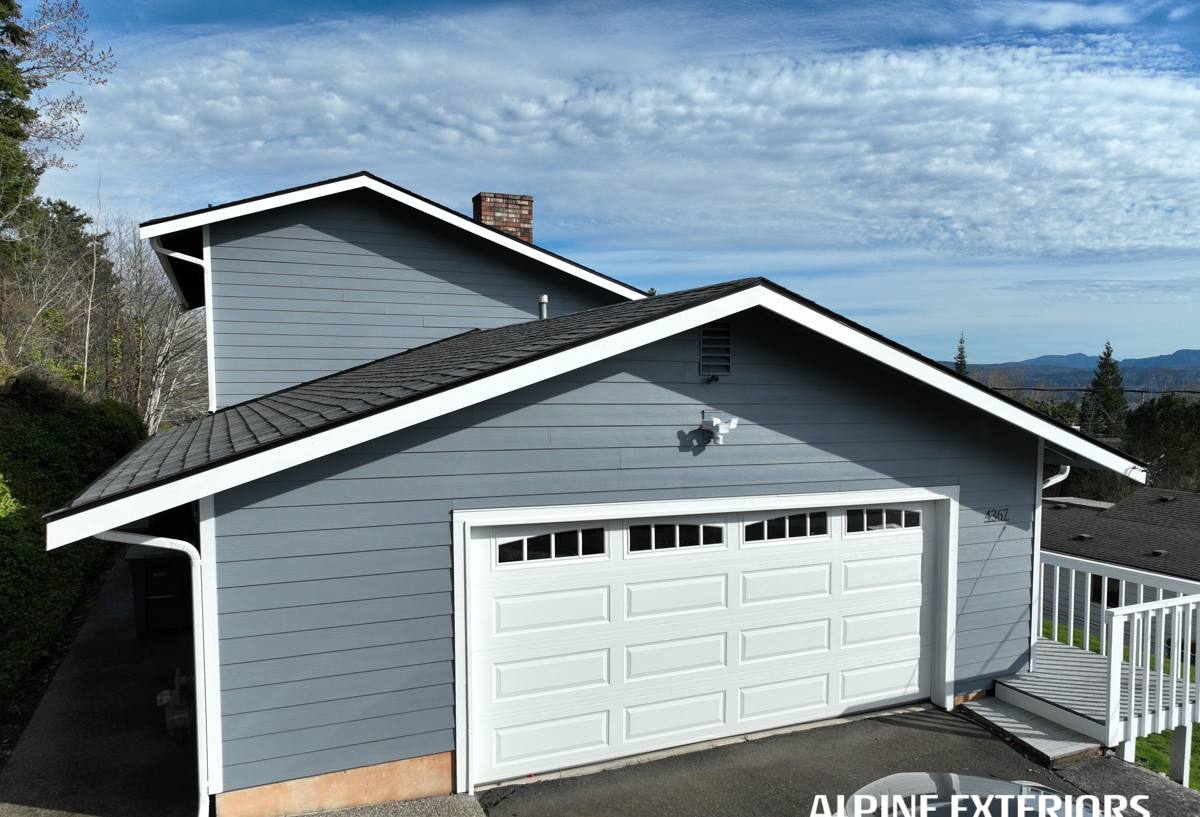
What Storm Damage Actually Looks Like on a Carrollwood Home
Most homeowners spot the obvious stuff — a missing shingle, a visible tear, water coming through a ceiling. But a lot of storm damage in this area is quieter than that, and it's the quiet damage that causes the most expensive problems down the road because it goes unaddressed for months.
Visible signs
- Missing, cracked, or curled shingles, especially on the side of the roof that faced the wind
- Granules collecting in gutters or at downspout outlets after a storm
- Lifted or bent flashing around chimneys, vents, and skylights
- Visible dents or bruising on shingles or soft metal (common after hail-producing storm cells)
- Sagging sections, especially near valleys or areas with poor drainage
Hidden signs
- Soft or spongy decking underneath shingles that still look intact from the ground
- Water staining in the attic that hasn't yet reached the ceiling drywall
- Compromised underlayment beneath shingles that were lifted and re-seated by wind, then blew flat again
- Nail pops or fastener backout from repeated wind flex
This is exactly why a proper storm inspection includes attic access, not just a walk of the roof surface from a ladder or the ground.
Why Speed Matters — But Not at the Expense of Doing It Right
After a storm, the priority is stopping active water intrusion. A roof with even a small opening can let in enough wind-driven rain during a Florida squall to soak insulation, stain ceilings, and start mold growth within 48 hours in our humidity. That's why the first move on a damaged roof is almost always emergency tarping or dry-in protection — a temporary, correctly installed cover that keeps water out until the permanent repair can be scheduled and materials sourced.
The mistake we see homeowners make isn't waiting too long — it's rushing the permanent repair before the full scope of damage is understood. A shingle swap over decking that's already soft, or a flashing patch over underlayment that's already compromised, looks fine for a season and fails the next time wind gets under it. Correct storm repair means understanding the difference between "cosmetic" and "structural," and not confusing the two in either direction.
What a Correct Storm Repair Actually Involves
Full damage assessment, not a spot check
A proper assessment covers the entire roof plane by plane, not just the area where the leak showed up inside. Wind damage is rarely confined to one spot — it follows the storm's direction across the whole roof, and adjacent shingles that look fine may already have broken seals that won't show a problem until the next storm.
Decking inspection
Before any new shingle goes down, the plywood or OSB decking underneath needs to be checked for soft spots, delamination, or rot. Repairing over bad decking is one of the most common shortcuts in storm repair work, and it's the one that causes the repair to fail again within a year or two.
Underlayment and flashing, not just shingles
Shingles are the visible layer, but the underlayment and flashing are what actually keep water out when a shingle does get compromised in the next storm. A repair that replaces shingles but reuses old, brittle, or improperly lapped flashing hasn't fixed the underlying vulnerability.
Material matching
Where possible, repairs use shingles that match the existing roof in profile and color line, so the repaired section blends in rather than becoming a visible patch. On older roofs where the original shingle has been discontinued, we'll walk you through the closest match honestly rather than promising an invisible repair we can't deliver.
Code-compliant fastening
Florida's building code has specific wind-resistance requirements for re-roofing and repair work, including nailing patterns and, in many cases, secondary water barrier requirements depending on the scope of the repair. A repair that skips these isn't just a quality shortcut — it can affect your insurance wind mitigation credit and your coverage in future claims.
Our Process for Carrollwood Storm Repairs
- Inspection and documentation. We walk the full roof and attic, photograph existing damage, and note anything relevant to an insurance claim before any work begins.
- Emergency mitigation if needed. If there's active intrusion, we get a temporary dry-in in place the same visit to stop further interior damage.
- Written scope and estimate. You get a clear, itemized explanation of what's damaged, what needs repair versus what can be monitored, and what it will cost — no vague line items.
- Insurance coordination. If you're filing a claim, we provide documentation your adjuster can use and are available to walk the roof with them if that's helpful.
- Repair execution. Decking, underlayment, flashing, and shingles are addressed in that order — not just the top layer.
- Cleanup and final walk-through. Debris and old materials are cleared, and we walk the finished repair with you before calling the job done.
Repair or Replace? The Honest Factors
Not every storm-damaged roof needs a full replacement, and not every roof should be patched indefinitely. The right call depends on a few concrete factors:
| Factor | Leans toward repair | Leans toward replacement |
|---|---|---|
| Roof age | Under 10-12 years | Approaching or past expected service life for the material |
| Extent of damage | Localized to one or two areas | Spread across multiple roof planes |
| Decking condition | Solid, dry decking found on inspection | Widespread soft spots or rot |
| Shingle availability | Matching shingle still in production | Discontinued profile, patch would be visibly mismatched |
| Storm history | First significant damage event | Repeat damage from multiple storms over recent years |
We'll give you our honest read on where your roof falls on this table rather than defaulting to the option that's more profitable for us. A lot of Carrollwood homes with well-maintained roofs in the 5-10 year range come through storm damage needing targeted repair, not a full tear-off.
Working With Your Insurance Company
Storm damage claims move faster and get resolved more fairly when the documentation is thorough from the start. That means dated photos of the damage before any tarping or repair covers it up, a clear written scope tied to specific storm dates, and — where the damage is borderline — a contractor who can speak to the difference between storm-caused damage and pre-existing wear without exaggerating either way. Adjusters see a lot of inflated or vague claims; a precise, well-documented scope tends to move through review faster than one that isn't.
We're not a public adjuster and won't represent that we are — our role is to give you an accurate roofing assessment you and your insurer can both rely on.
Why Local, Working-in-Carrollwood Experience Actually Matters
A roofing crew that already works in Carrollwood and the surrounding Tampa neighborhoods brings a few practical advantages that a crew coming from outside the area doesn't:
- Familiarity with Hillsborough County permitting requirements and inspection timelines, so repairs don't stall on paperwork
- Faster response after a widespread storm event, because we're not driving in from across the region when every crew nearby is also booked
- A working sense of how different Carrollwood roof ages and construction styles typically hold up, since this isn't the first time we've assessed damage on a home like yours
- Continuity — if a repair needs a follow-up check after the next storm season, you're calling the same crew that did the original work, not starting over with someone new
After a major storm, the volume of repair requests in Tampa can outpace available crews fast. Having an existing relationship with a local contractor — even just knowing who to call — puts you ahead of homeowners who are searching cold in the middle of a scramble.
Protecting the Repair Going Forward
Once storm damage is repaired, a few habits go a long way toward keeping it that way given how hard our climate is on roofs:
- Clear gutters and downspouts regularly, especially under oak and other large trees common in Carrollwood, so water isn't backing up under the roof edge
- Trim overhanging limbs that could strike the roof in high wind
- Schedule a roof check after any named storm that produces sustained winds near your home, even if you don't see obvious damage from the ground
- Keep a record of repairs and inspections — this history matters both for insurance and for tracking how your roof is aging
If you're dealing with storm damage in Carrollwood, or you just want an honest look at your roof's condition after recent weather, we're happy to come take a look. The estimate is free, there's no pressure to move forward, and you'll get a straight answer about what your roof actually needs.