 Tampa Roofing
 Windows Built for Carrollwood's Climate, Not a Showroom in Ohio
Carrollwood sits inland from Tampa Bay, but that doesn't spare it from what Hillsborough County throws at a house every year: months of intense subtropical UV, sudden wind-driven downpours, and the occasional hurricane-force wind event that tests every seal, frame, and pane in a home. Windows here don't fail because they're old in the way windows fail in a mild climate — they fail because heat cycles the frame material, humidity works into gaps that were never sealed correctly, and storm pressure finds the one corner where flashing was skipped.
We install windows in Carrollwood on a regular basis, which means we're not guessing about how local homes are built or what tends to go wrong. Many houses in this part of Tampa were built across a wide range of decades, with a mix of original single-pane windows, older aluminum-frame units, and prior replacement jobs of varying quality. That mix matters — the right installation approach depends on what's already in the wall, not just what's in the box.
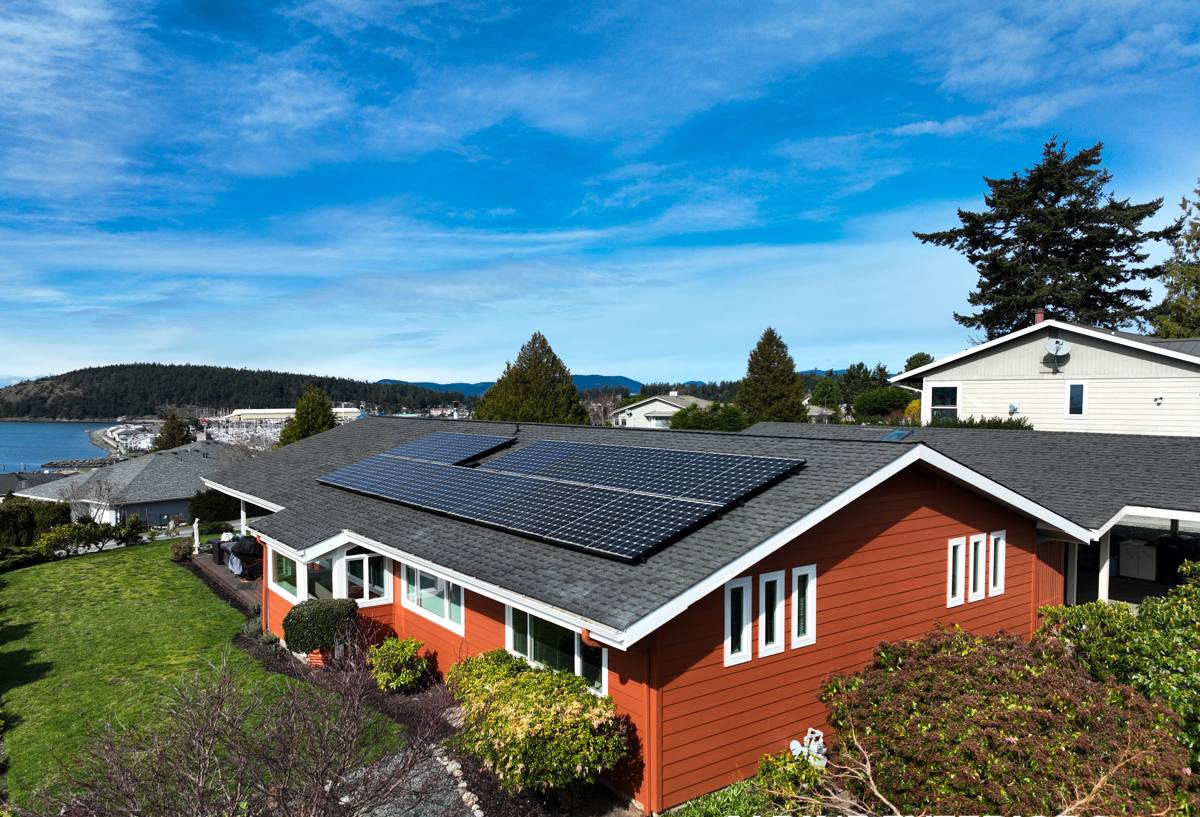
What Carrollwood Homes Actually Need From a Window Install
Wind Resistance That Matches the Zone
Hillsborough County enforces Florida Building Code wind-load requirements, and Carrollwood falls within zones where windows need to be rated to resist significant wind pressure and, depending on the specific property and code cycle, impact from wind-borne debris. This isn't a box to check — it determines the frame reinforcement, the glass package, and how the unit anchors into the rough opening. A window that's rated correctly but installed loosely is still a weak point in a wall.
UV and Heat Management
Tampa's sun is intense and constant for most of the year. Poor-quality glass or coatings degrade, yellow, or lose their tint over time, and unshaded west-facing rooms in Carrollwood homes can become uncomfortable by mid-afternoon without a proper low-E coating. This is a comfort issue and a cooling-bill issue — inefficient glass makes the HVAC system work harder every single day, not just during a heat wave.
Moisture and Humidity Control
Florida humidity doesn't take a season off. Any gap in flashing, sealant, or weatherstripping becomes a path for moisture to reach the wood or framing behind the window, which leads to rot, mold, or swelling over time. Correct flashing and sealing at install time is the difference between a window that lasts decades and one that causes hidden damage within a few years.
Salt Air Exposure
Carrollwood is inland, but Tampa Bay's salt air still travels on prevailing winds and affects metal hardware, fasteners, and lower-grade frame components over time. We account for this by using hardware and materials suited to a coastal-adjacent climate rather than treating every install like it's happening in a landlocked state.
What a Correct Window Installation Involves
A window installation is judged by what you can't see once it's done. The visible trim and glass matter for appearance, but the parts that determine whether the window survives its first real storm are underneath.
- Removing the old window without damaging the rough opening or surrounding stucco/siding
- Inspecting the framing and sill for existing rot, moisture damage, or prior repair shortcuts
- Correcting any structural or moisture issues found before the new unit goes in — not covering them up
- Installing proper flashing to direct water away from the wall cavity
- Setting the window level, plumb, and square in the opening
- Anchoring per the manufacturer's wind-rating specifications, not generic fastener spacing
- Sealing with the correct sealant for Florida's heat and humidity — not a product that dries out and cracks in a year or two
- Insulating the gap between the frame and rough opening correctly, without over-packing or leaving voids
- Finishing interior and exterior trim to match the home
- Testing operation, locking hardware, and weatherstripping seal before calling the job done
Skipping any one of these steps is usually invisible on day one. It shows up two years later as a soft spot in the sill, a window that won't lock tight, or water intrusion during the next tropical storm.
Our Process for a Carrollwood Window Job
1. On-Site Assessment
We look at each window individually — the frame condition, the wall assembly, sun exposure, and any signs of past moisture or wind damage. Not every window on a house needs the same solution.
2. Straightforward Recommendation
We tell you what we'd actually do if it were our own house: which windows need full frame replacement versus which can be handled with an insert, what glass package makes sense for the exposure, and what it will cost in a realistic range. No pressure to upgrade everything if part of the job doesn't need it.
3. Installation
Our crews follow the same sequence every time — proper removal, inspection, correction of any underlying issues, flashing, anchoring to code, sealing, and finishing. We don't shortcut steps to move faster through a schedule.
4. Final Walkthrough
We check operation, seals, and finish work with you before considering the job complete, and we clean up the work area fully.
Replacement vs. New Installation: What's Different
| Factor | Replacing an Existing Window | New Opening / Addition |
|---|---|---|
| Framing work | Usually reuses existing rough opening, unless damaged | Requires new structural framing and header sizing |
| Common surprises | Hidden rot, old flashing failures, mismatched sizing | Coordinating with framing crew, wall sheathing, exterior finish matching |
| Timeline | Typically faster per window | Longer, tied to broader construction schedule |
| Permitting | Often still required under Hillsborough County code | Always required, tied to structural review |
| Cost driver | Frame condition and glass package chosen | Framing labor plus window unit and finishing |
Frame Material: An Honest Comparison
We install different frame materials depending on the home and budget, and we're upfront about the trade-offs rather than pushing whatever has the best margin.
| Frame Type | Strengths | Trade-Offs in This Climate |
|---|---|---|
| Vinyl | Cost-effective, low maintenance, good insulation | Can expand/contract with heavy heat cycling; quality varies a lot by manufacturer |
| Aluminum | Strong, slim sightlines, holds up structurally | Conducts heat more than other frames unless thermally broken |
| Fiberglass | Very stable in heat, low expansion/contraction, durable | Higher upfront cost |
| Wood-clad | Traditional appearance | Higher moisture-maintenance burden in a humid climate; we recommend it selectively |
We steer most Carrollwood homeowners away from unclad wood frames on humidity-exposed elevations — not because wood is a bad material everywhere, but because Tampa's year-round humidity puts a maintenance burden on it that most homeowners don't want to keep up with. That's a judgment call based on this climate, not a knock on the product itself.
Why a Crew That Already Works Carrollwood Matters
Window installation quality depends heavily on local knowledge that doesn't come from a manual. Knowing how Hillsborough County inspectors expect flashing and wind-rating documentation handled avoids delays and failed inspections. Knowing which decades of Carrollwood-area construction tend to have deteriorated sills or non-standard rough openings means fewer surprise change orders mid-job. And knowing how the local sun angle and storm patterns hit different sides of a house means we can recommend glass and placement decisions that actually make a difference in comfort and durability, not just checkbox compliance.
A crew that installs windows in a lot of different climates treats every job the same. A crew that works Tampa and Hillsborough County regularly treats a west-facing wall differently from a north-facing one, and treats a 1970s rough opening differently from a newer one — because we've already seen what goes wrong when those differences get ignored.
Signs Your Carrollwood Home Needs New Windows
- Windows feel hot to the touch on the inside during summer afternoons
- Visible condensation or fogging between panes (a sign the seal has failed)
- Difficulty opening, closing, or locking windows
- Soft or discolored wood/framing around the window
- Noticeable draft or air movement even when the window is closed
- Rising cooling bills without a clear cause
- Visible wear, chalking, or pitting on the frame from UV exposure
Maintaining Your Investment After Installation
A correctly installed window in this climate still benefits from basic upkeep. Rinse frames and tracks periodically to clear salt and dust buildup. Inspect exterior caulking annually, since Florida's heat cycles cause sealants to wear faster than in milder climates. Keep weep holes clear so water can drain properly instead of pooling. None of this is complicated, but skipping it shortens the life of even a well-installed window.
If your Carrollwood home has windows that are struggling with heat, humidity, or storm readiness, we're happy to take a look and give you a straight answer about what's needed. Request a free, no-pressure estimate using the form below.