 Tampa Roofing
 Building Decks That Hold Up in Wesley Chapel
A deck in the Tampa Bay area lives a harder life than a deck almost anywhere else in the country. Wesley Chapel sits in a stretch of Florida that gets intense, near-daily UV exposure for most of the year, sudden wind-driven downpours in summer, and the occasional direct hit from tropical storm or hurricane-force wind. None of that is exotic weather here — it's just Tuesday. But it means a deck built the way you'd build one in Ohio or Pennsylvania will not last here. Fasteners corrode faster, wood cups and splits from constant wet-dry cycling, and anything under-built structurally becomes a liability the first time a real storm rolls through.
We build and repair decks for homes throughout the greater Tampa area, and Wesley Chapel projects follow the same rule we apply everywhere in this climate: the deck has to be engineered for Florida conditions first, and styled second. Get the structure, fasteners, and drainage right, and the finish choices (composite, PVC, hardwood) become a question of budget and looks rather than a gamble on longevity.
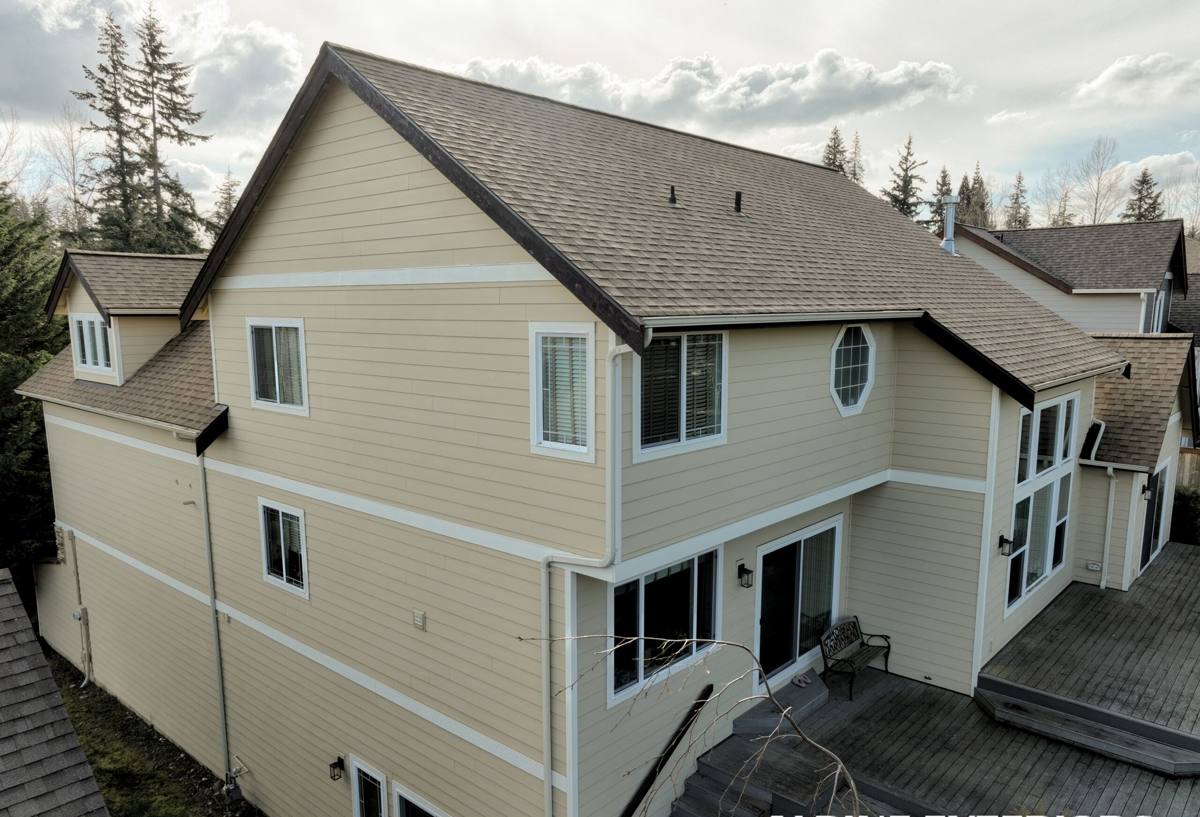
What Wesley Chapel's Climate Actually Does to a Deck
It helps to understand the specific failure points before you decide what to build.
- UV degradation: Year-round sun bleaches color, breaks down wood fibers at the surface, and accelerates the breakdown of cheap sealants and lower-grade composite decking.
- Wind-driven rain: Rain here rarely falls straight down. It drives sideways under railings and into ledger connections, joist hangers, and any end-grain that isn't sealed, which is where rot usually starts.
- Humidity and moisture cycling: Wood that's constantly swelling and drying moves — boards cup, fasteners back out, and joints loosen over a few seasons if the wrong wood or wrong fastener was used.
- Storm and straight-line wind loads: Hurricane-force gusts put real lateral and uplift stress on railings, stair stringers, and ledger-to-house connections — the parts of a deck most likely to be under-attached on a budget build.
None of this means a deck can't be built well here — it means the details that get skipped in milder climates can't be skipped in Wesley Chapel.
Choosing the Right Decking Material
There's no single "best" decking material — there's a best material for your budget, your maintenance appetite, and how much direct sun and rain your deck will actually see. Here's how the common options stack up for this climate specifically:
| Material | Climate Performance | Maintenance | Typical Lifespan Here |
|---|---|---|---|
| Pressure-treated pine | Good if properly sealed and fastened; prone to cupping and splitting if neglected | Annual cleaning and re-sealing recommended | 10–15 years with upkeep |
| Tropical hardwood (e.g., ipe) | Excellent natural density and rot resistance; handles sun and moisture well | Periodic oiling to maintain color, though it will gray without it | 25+ years |
| Capped composite | Strong UV and moisture resistance; the cap layer resists staining and fading | Occasional washing; no sealing or staining | 25–30 years |
| Uncapped/early-generation composite | Weaker UV resistance; can fade, stain, or mold in humid, shaded areas | More frequent cleaning; limited repair options | 15–20 years |
| PVC decking | Fully synthetic; handles moisture and sun exposure with minimal degradation | Very low; occasional washing | 25–30 years |
We steer most Wesley Chapel homeowners toward capped composite or PVC for full-sun decks, simply because they hold up to constant UV without the recoat schedule wood demands. That said, plenty of homeowners want the look and feel of real wood, and a well-built, well-maintained hardwood deck performs beautifully here too — it just requires a homeowner willing to keep up with oiling. We'll walk through the honest trade-offs for your specific site (sun exposure, shade, budget) rather than push one product line.
What a Correctly Built Deck Involves
The parts of a deck nobody sees are the parts that determine whether it's still standing — and safe — in ten years.
Footings and Framing
Footings need to be sized and set to local frost-free depth requirements and soil conditions, which in this part of Florida usually means dealing with sandy or fill soil that doesn't compact the same way as clay-based soil further north. Joists and beams need to be sized for the actual span and load, not just "what looks about right" — undersized framing is one of the most common corners cut on budget decks.
Fasteners and Hardware
This is where Florida decks fail early more than any other single factor. Standard zinc-coated fasteners corrode quickly in this humidity, especially in contact with treated lumber's chemical preservatives. We use stainless steel or coated fasteners and connectors rated for coastal and treated-wood exposure, along with joist hangers and structural screws at every load-bearing connection — not just nails at the corners.
The Ledger Connection
If your deck attaches to the house, the ledger board connection is the single most safety-critical joint on the structure — it's what has failed in the deck collapse stories you may have read about. Proper flashing to keep water out from behind the ledger, and lag bolts or through-bolts sized for the load, are non-negotiable.
Railings and Stairs
Railings take direct wind load during storms and need secure post attachment, not just surface-mounted brackets. Stair stringers need to be sized correctly and, ideally, made from rot-resistant or composite material given how much water runs down a staircase during a Florida downpour.
Permitting and Local Code
Most deck projects of meaningful size require a building permit, and inspections at key stages (footings, framing, and final) are standard practice in this region given the wind-load standards Florida jurisdictions apply. We pull permits and coordinate inspections as part of the build — this isn't optional paperwork we skip to save time, because an unpermitted deck can become a real problem at resale or insurance renewal. If your project is a smaller repair or like-for-like board replacement, permitting requirements vary, and we'll tell you plainly whether your specific job needs one before we start.
Our Process, Start to Finish
- Free on-site estimate: We walk your property, look at sun/shade exposure, existing structure (if it's a repair or rebuild), and talk through material options and budget honestly.
- Design and proposal: You get a clear scope, material choice, and price before any work starts — no vague allowances that balloon later.
- Permitting: We handle the permit application and schedule required inspections.
- Demo (if applicable): Safe removal and disposal of an old deck when we're rebuilding.
- Build: Footings, framing, decking, railings, and stairs, with inspections at the required stages.
- Final walkthrough: We go over the finished deck with you, including a maintenance rundown specific to the material you chose.
Maintaining a Deck in This Climate
Even the best-built deck needs a little seasonal attention here. A short list we give every Wesley Chapel customer:
- Rinse off pollen, dirt, and organic debris every few months — it holds moisture against the surface and feeds mold/mildew growth.
- Check railing posts and stair connections once a year for any looseness, especially after storm season.
- For wood decks: reseal or re-oil on the schedule appropriate to your species — skipping this is the number one reason wood decks fail early here.
- Keep gutters and downspouts clear so runoff isn't dumping extra water onto or under the deck.
- Watch for soft spots, rust streaks around fasteners, or gaps opening at the ledger connection — all early warning signs worth a call, not a wait-and-see.
- After any major storm, do a quick visual check of railings and stair stringers before heavy use.
Repairs, Inspections, and Knowing When to Rebuild
Not every aging or storm-damaged deck needs to be torn out. We inspect for the things that actually matter structurally — ledger board condition, footing stability, joist and beam integrity, fastener corrosion — separately from cosmetic wear like faded or scratched boards. Sometimes the fix is a board replacement and a hardware upgrade; sometimes the framing underneath has been quietly failing for years and a full rebuild is the honest recommendation. We'll tell you which situation you're in and why, rather than defaulting to the bigger job.
Why Hire a Crew That Already Works This Area
Wesley Chapel homes span a real range — established neighborhoods with mature landscaping and shade, and newer construction with wide-open, full-sun backyards. That difference changes which decking material makes sense, how much drainage planning a footing plan needs, and how a deck should be oriented relative to afternoon sun. A crew that works this specific part of the Tampa Bay region regularly already knows the local building department's process, the soil conditions common to the area, and which materials actually hold up here versus which ones look good in a showroom and fade or warp within a few seasons. That local familiarity translates into fewer surprises, fewer permitting delays, and a deck that's built for the way it will actually be used and weathered here — not a generic spec pulled from a national playbook.
If you're planning a new deck, replacing an old one, or just want an honest read on whether yours needs repair, we'd be glad to take a look. Reach out for a free, no-pressure estimate — we'll walk the site, answer your questions straight, and give you a clear picture of your options before you decide anything.