 Tampa Roofing
 Board and Batten Siding on Davis Islands: What the Location Actually Demands
Davis Islands sits closer to open water than almost any other residential neighborhood in Hillsborough County, and that changes what "good siding" means. Homes here take on salt-laden air off the bay every day of the year, get direct, near-constant Florida UV exposure, and sit squarely in the path of wind-driven rain during tropical systems and the seasonal storms that roll through the Tampa Bay area. Board and batten siding — with its crisp vertical lines and shadow-line texture — is a popular look on the island because it reads as coastal and clean, but the style itself has nothing to do with how well it holds up. Performance comes down to the material underneath the boards and how the seams, battens, and flooding points are detailed. That's the part of the job that either protects a Davis Islands home for decades or turns into a maintenance headache within a few storm seasons.
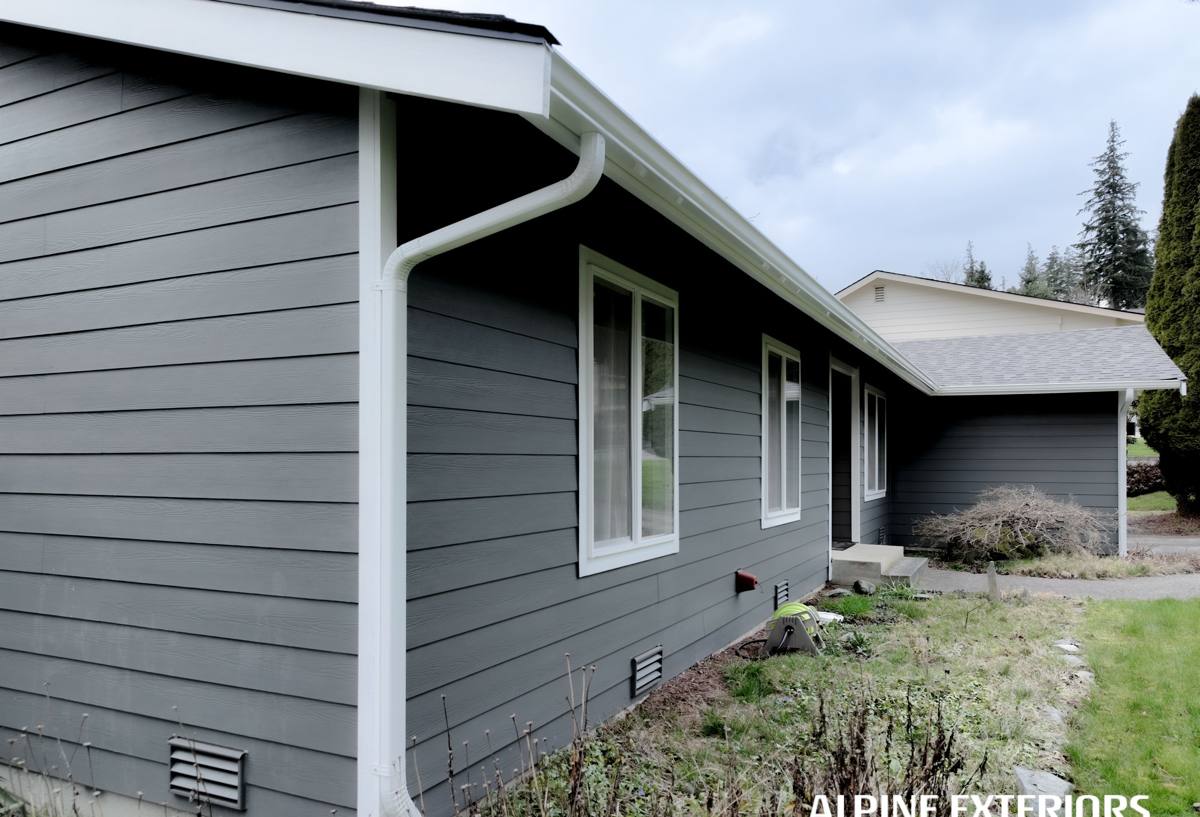
What Board and Batten Siding Actually Is
Board and batten is a siding profile, not a material. It consists of wide flat panels or boards installed vertically, with narrower strips (battens) covering the seams between them. The result is a rhythmic, dimensional facade that works well on both historic bungalow-style homes and newer coastal builds — both of which you'll find side by side on Davis Islands. Because the pattern is vertical, water management works differently than it does on horizontal lap siding: every seam is a potential path for water to travel down the wall if it isn't flashed and fastened correctly. That's true no matter what the boards are made of, which is why the installation detailing matters as much as the material choice.
Why the Profile Gets Requested So Often Here
A lot of Davis Islands homeowners want board and batten specifically because it doesn't look like the vinyl siding common in inland subdivisions. It has a more architectural, custom appearance that fits both the bungalow and Mediterranean-influenced homes on the island and the newer construction going up on rebuilt lots. That aesthetic goal is easy to accomplish — the harder part is making sure it survives the environment.
Why We Install James Hardie and Nothing Else
We only install James Hardie fiber cement board and batten siding. We don't install vinyl, LP SmartSide, Cemplank, Allura, or primed wood board and batten, and we're upfront about why: on a barrier-adjacent, salt-air, high-wind property like the ones on Davis Islands, the material has to hold paint, resist moisture intrusion at the seams, and stay dimensionally stable through summer heat and heavy rain without warping or rotting. Fiber cement does that. Vinyl board and batten can work loose or distort in sustained high winds and doesn't hold a factory finish the way Hardie's ColorPlus system does. Wood-based and engineered-wood products are more vulnerable to moisture wicking at cut edges and seams — a real liability on vertical siding where every batten line is a seam. James Hardie's HZ5 product line is engineered specifically for high-humidity, storm-prone climates like ours, which is the entire reason we standardized on it rather than offering a menu of options.
What a Correct Board and Batten Installation Involves
The visible result of board and batten is simple: vertical boards, battens over the seams, clean reveals. What's underneath determines whether that look lasts. A correct installation on a Davis Islands home includes:
- A weather-resistive barrier installed continuously behind the siding, with all penetrations and laps sealed
- Properly flashed window and door openings before the first board goes up
- Correct fastener spacing and embedment into structural framing, not just sheathing
- Corrosion-resistant fasteners rated for coastal exposure — a detail that matters more on Davis Islands than almost anywhere else in Tampa
- A minimum clearance between the bottom of the siding and grade, roofing, decks, or paved surfaces to keep boards from sitting in standing water
- Factory-primed or ColorPlus-finished cut edges sealed in the field, since raw fiber cement edges are the most vulnerable point on the board
- Battens fastened independently of the boards beneath them, so seasonal movement doesn't telegraph as cracking at the seams
Skipping any one of these doesn't show up on day one. It shows up two or three hurricane seasons later, when a homeowner finds soft trim, staining below a batten line, or paint failure at the seams — problems that trace back to installation shortcuts rather than the siding material itself.
How the Climate Specifically Stresses Board and Batten Seams
Wind-Driven Rain
Vertical seams on board and batten siding are more exposed to wind-driven rain than the overlapping laps on horizontal siding, because wind can push water sideways into a batten joint rather than relying on gravity to shed it. That's why flashing and sealant detail at every seam matters more here than it would inland.
Salt Air and Corrosion
Davis Islands' proximity to the bay means airborne salt settles on siding, trim, and fasteners continuously. Standard fasteners can corrode and streak the siding with rust stains over time, which is why fastener spec is one of the first things we check on any Davis Islands job, whether it's new construction or a re-side.
UV and Paint Life
Central Florida sun is hard on painted surfaces year-round, not just in summer. Factory-applied finishes that are baked on and warrantied for fade resistance hold up dramatically better over a 10-15 year horizon than field-applied paint on wood or engineered wood siding, which is one more reason material choice and installation quality are linked, not separate decisions.
Our Process for Davis Islands Homes
Working on Davis Islands regularly means we're used to the practical realities of the neighborhood: narrow lots, homes close to their neighbors, limited staging space, and in many cases deed restrictions or architectural guidelines that govern exterior changes. Our process accounts for that from the first visit:
1. On-Site Assessment
We look at the existing wall assembly, check for moisture or rot behind current siding, and confirm what the substrate needs before any board and batten goes up.
2. Material and Layout Plan
We spec the Hardie board and batten profile, reveal width, and trim details to match the home's style, whether that's a historic bungalow look or a cleaner modern coastal elevation.
3. Permitting
Exterior work in the City of Tampa, including siding replacement, typically requires permitting, and homes on Davis Islands may also fall under additional architectural or deed-restriction review depending on the specific property. We handle the documentation so the homeowner isn't chasing paperwork.
4. Installation
Full removal of failing material where applicable, correct weather barrier and flashing work, coastal-rated fastening, and finished trim and caulking at every seam and penetration.
5. Final Walkthrough
We walk the exterior with the homeowner before calling the job done, checking reveals, seams, and finish consistency in daylight.
Board and Batten Material Comparison for Coastal Tampa Homes
| Factor | James Hardie Fiber Cement | Vinyl Board and Batten | LP SmartSide / Engineered Wood | Primed Wood/Cedar |
|---|---|---|---|---|
| Salt air / coastal resistance | Strong; non-combustible, engineered for humid climates | Moderate; can warp or discolor | Moderate; vulnerable at cut edges and seams | Weak without diligent, frequent maintenance |
| Wind performance | Rated for high-wind installation when installed to spec | Can loosen or crack in sustained high wind | Adequate but seam sensitivity increases risk | Adequate but seams and fasteners need upkeep |
| Finish longevity | Factory ColorPlus finish, long fade warranty | Color molded in, but can chalk and fade | Field or factory paint, shorter repaint cycle | Field paint, shortest repaint cycle |
| Moisture/rot risk | Low; fiber cement doesn't rot | Low rot risk but can trap moisture behind panels | Moderate; engineered wood can swell if seams fail | Higher; wood rots without consistent maintenance |
| Typical maintenance | Occasional wash, repaint on much longer cycle | Low, but damage often means full panel replacement | Regular caulk/paint inspection | Frequent painting and sealing |
What to Ask Before Hiring Anyone for Board and Batten Work Here
Board and batten looks straightforward from the curb, which is exactly why installation quality varies so widely between contractors. Before hiring anyone for a Davis Islands project, it's worth asking:
- What weather-resistive barrier and flashing detail will be used behind the siding, specifically at seams and openings
- What fastener type and spacing will be used, and whether it's rated for coastal exposure
- Whether the crew is manufacturer-trained or certified on the specific siding product being installed
- How cut edges will be sealed, especially on fiber cement products
- Whether the quote includes permitting and, if applicable, any documentation needed for deed-restricted or architecturally reviewed properties
- What the manufacturer's warranty covers versus what the installer's workmanship warranty covers
A contractor who can answer these clearly, without vague reassurances, is usually one who does this work often enough to have real answers.
Long-Term Care for Board and Batten Siding on Davis Islands
Once correctly installed, James Hardie board and batten siding is genuinely low-maintenance, but "low" isn't "none," especially this close to the bay. A periodic rinse to clear salt residue and debris, an annual visual check of caulking at trim and penetrations, and prompt attention to any soft spots or staining will keep a properly installed system performing for decades. Because the material is non-combustible and engineered for this exact climate class, most of the maintenance burden that comes with wood or vinyl alternatives simply isn't part of the equation.
If you're planning a board and batten project on Davis Islands, whether it's a full re-side or new construction, we're glad to take a look and put together a straightforward, no-pressure estimate based on your home's specific exposure and layout. There's a quick form below to get started.