 Tampa Roofing
 Davis Islands Decks Take a Different Kind of Beating
Davis Islands sits right in Tampa Bay, which means almost every home there gets some form of waterfront or near-waterfront exposure. That's part of what makes it such a desirable place to live — and it's also why decks here wear out faster than decks just a few miles inland. Salt-laden air moves across the island constantly, settling into wood grain, working its way into fastener heads, and slowly breaking down finishes that would last much longer in a drier, less coastal part of Hillsborough County.
Add in Florida's year-round UV exposure, afternoon thunderstorms that drive rain sideways under railings and into seams, and the real possibility of hurricane-force winds during storm season, and you've got a deck that's fighting four different battles at once. None of that means a deck on Davis Islands can't last — it just means repairs have to account for what's actually attacking the structure, not just what's visible on the surface.
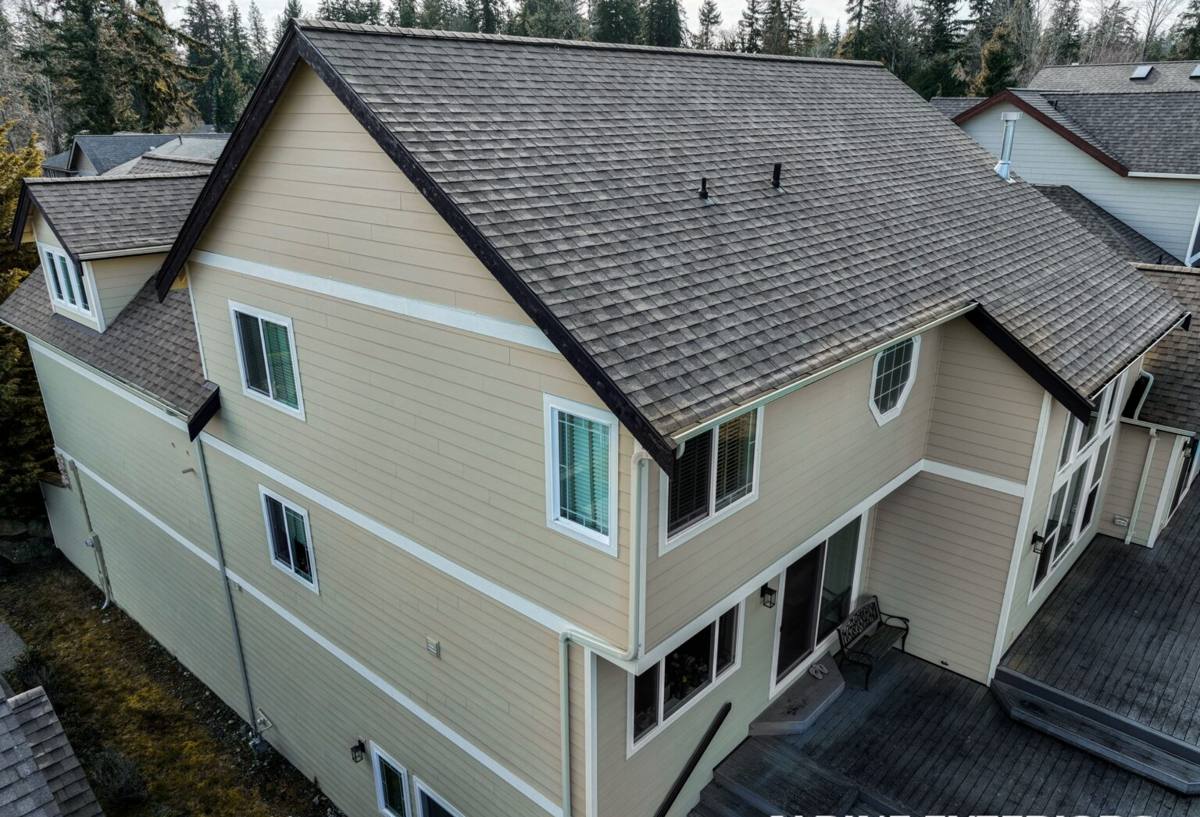
The Deck Problems We See Most Often on Davis Islands
Rot and hidden moisture damage
Wind-driven rain doesn't fall straight down — it gets pushed under rail caps, into end-grain cuts, and behind ledger boards where it can sit for days without drying. By the time rot shows up as soft or spongy decking, it's often been developing underneath for a while. This is especially common near stairs, around post bases, and anywhere two pieces of wood meet without proper flashing.
Corroded fasteners and hardware
Salt air is hard on metal. Screws, nails, joist hangers, and post brackets that would hold up fine inland can rust and weaken years ahead of schedule on an island lot. Once a fastener corrodes, it loses grip strength — and a deck is only as strong as the hardware holding its frame together, not just the boards you can see.
Sun-baked, cracked, and faded surfaces
Florida sun is relentless on exposed decking. UV breaks down the lignin in wood fibers and the resins in composite materials over time, leading to graying, splintering, checking (those long surface cracks), and brittle boards that are more prone to splitting under foot traffic or furniture.
Loose or failing railings
Railings take a lot of abuse — leaning, wind load, and repeated moisture cycling at the post connections. On an island where wind gusts are a real factor, a loose railing isn't just an eyesore, it's a safety issue that should get attention before it gets worse.
What a Proper Deck Inspection Actually Checks
A repair that only addresses what's visible from the top often misses the parts of the deck doing the real structural work. Before we recommend anything, we look at the whole system:
- Ledger board attachment to the house, including flashing behind it
- Joists and beams for soft spots, splitting, or fastener corrosion
- Post bases and footings for movement, rot, or inadequate support
- Railing posts and connections for looseness or wind damage
- Surface boards for cupping, splintering, and finish failure
- Stair stringers and treads, which take concentrated foot traffic and often get overlooked
This is the same order of priority we'd want if it were our own deck: structure first, surface second. A deck can look rough on top but be structurally sound, or look fine on top while hiding a compromised ledger connection. Only a hands-on inspection tells you which one you're dealing with.
Deciding Between Spot Repair, Board Replacement, and Rebuild
Not every deck problem on Davis Islands calls for a full rebuild, and we don't recommend one unless the structure genuinely needs it. Generally:
- Spot repair makes sense when the frame is sound and the issue is isolated — a few damaged boards, a loose section of railing, or surface-level fastener corrosion.
- Partial replacement fits when the substructure is good but the decking surface has widespread sun and moisture damage, or when one area (like near a stair or a shaded, damp corner) has failed while the rest of the deck is fine.
- Full rebuild becomes the honest recommendation when the ledger connection, multiple joists, or several post footings are compromised — patching around structural failure just delays a bigger problem and can create a liability.
Decking Material Options for a Salt-Air Environment
When boards need to be replaced, the material you choose matters more on Davis Islands than it would a few miles inland. Here's how the common options hold up against salt air, sun, and Florida humidity:
| Material | Salt-Air & Moisture Resistance | UV / Fade Resistance | Maintenance | Relative Cost |
|---|---|---|---|---|
| Pressure-treated pine | Fair — needs sealing to resist moisture intrusion | Fades and grays without regular finish upkeep | Annual cleaning and resealing recommended | Low |
| Tropical hardwood | Good natural resistance to moisture and insects | Fades to gray over time unless oiled regularly | Periodic oiling; sensitive to installation quality | High |
| Capped composite | Very good — resists moisture absorption | Good, though darker colors run hotter in direct sun | Low; occasional washing | Mid-High |
| Cellular PVC | Excellent — does not absorb moisture or corrode | Very good with quality products | Lowest; no sealing or staining needed | High |
There's no single "right" answer here — it depends on your budget, how the deck is used, and how much upkeep you actually want to do. What we won't do is install a product on a moisture-sensitive, seam-heavy configuration without flagging the maintenance trade-off up front. On an island lot, the difference between a low-maintenance and high-maintenance material shows up faster than it would elsewhere.
How We Handle a Deck Repair on Davis Islands
- On-site inspection. We check the frame, fasteners, and surface, and explain what we find in plain terms — no pressure toward the most expensive option.
- Written scope and estimate. You get a clear breakdown of what's being repaired, what's being replaced, and why — before any work starts.
- Structural work first. Any compromised ledger, joist, post, or footing issues get addressed before cosmetic work, because that's the part that actually keeps the deck safe.
- Corrosion-resistant hardware. Given the salt-air exposure here, we use fasteners and connectors rated for coastal conditions rather than standard interior-grade hardware.
- Surface repair or replacement. Damaged boards, railings, and stair components get replaced or refinished to match the rest of the structure as closely as possible.
- Final walkthrough. We go over the completed work with you and point out any maintenance steps that will extend its life.
Permits and Waterfront Considerations
Deck repairs and rebuilds in Tampa are subject to Hillsborough County and City of Tampa building requirements, and those requirements can be more involved on a waterfront or near-water lot than on a standard inland property — particularly around structural changes, railing height, and load requirements tied to wind exposure. We handle the permitting conversation as part of the process rather than leaving it for you to sort out, and we won't cut corners on code compliance just to move faster. On an island where storm exposure is real, code minimums for wind and structural connections aren't red tape — they're the difference between a deck that survives a bad storm season and one that doesn't.
Maintaining Your Deck Between Repairs
A little regular attention goes a long way toward stretching the time between major repairs, especially in a salt-air environment. Between professional inspections, it's worth keeping an eye out for:
- Cupping, splintering, or cracking in individual boards
- Soft or spongy spots when you press on decking near the house or stairs
- Rust streaks bleeding from screw heads or metal connectors
- Gaps opening up where the deck meets the house (ledger area)
- Railings or posts that wiggle or feel less solid than they used to
- Standing water that doesn't drain within a few hours after rain
- Peeling or chalky finish on wood decking
Catching any of these early usually means a smaller, cheaper repair instead of a structural one later.
Why It Matters to Hire a Crew That Already Works Davis Islands
Working on an island property comes with logistics that don't apply to a typical inland job — limited bridge access for materials and equipment, tighter lots, and often an HOA or architectural review process that has opinions about what a deck should look like from the street or the water. A crew that's already familiar with those realities plans around them instead of running into them mid-project.
More importantly, a contractor who regularly works on Davis Islands has seen firsthand how fast salt air, sun, and storm exposure age a deck in this specific setting. That's not something you can fully appreciate working mostly on inland Tampa properties — it changes which materials and fastener choices we recommend, and it's why we don't treat every deck repair in the greater Tampa area the same way.
If your deck has soft spots, loose railings, sun-damaged boards, or you just want an honest read on how much life it has left, we're happy to take a look. Estimates are free and there's no pressure to move forward — fill out the form below and we'll get in touch to schedule a time.