 Tampa Roofing
 Why Davis Islands Roofs Wear Differently Than Inland Homes
Davis Islands sits right on Tampa Bay, and that location changes what a roof has to deal with year after year. Homes here take on the same hurricane-force wind gusts and wind-driven rain that hit the rest of Hillsborough County, but they also sit closer to open water, which means more direct salt air exposure. Salt air accelerates corrosion on exposed metal — nail heads, flashing, vent stacks, gutter fasteners — faster than it does even a few miles inland. Add in Florida's intense, near-constant UV load, and you have a roof that's being worked on from every angle: heat and UV breaking down surface materials during the day, humidity and salt settling into every seam overnight, and tropical storm systems testing every flashing detail a few times a season.
None of that means a Davis Islands roof needs to be babied. It means repairs need to account for the environment instead of treating the job like it would be on a roof in, say, Plant City. A patch that would hold up fine forty miles inland can fail early here if the materials or fastening weren't chosen with salt air and wind uplift in mind.
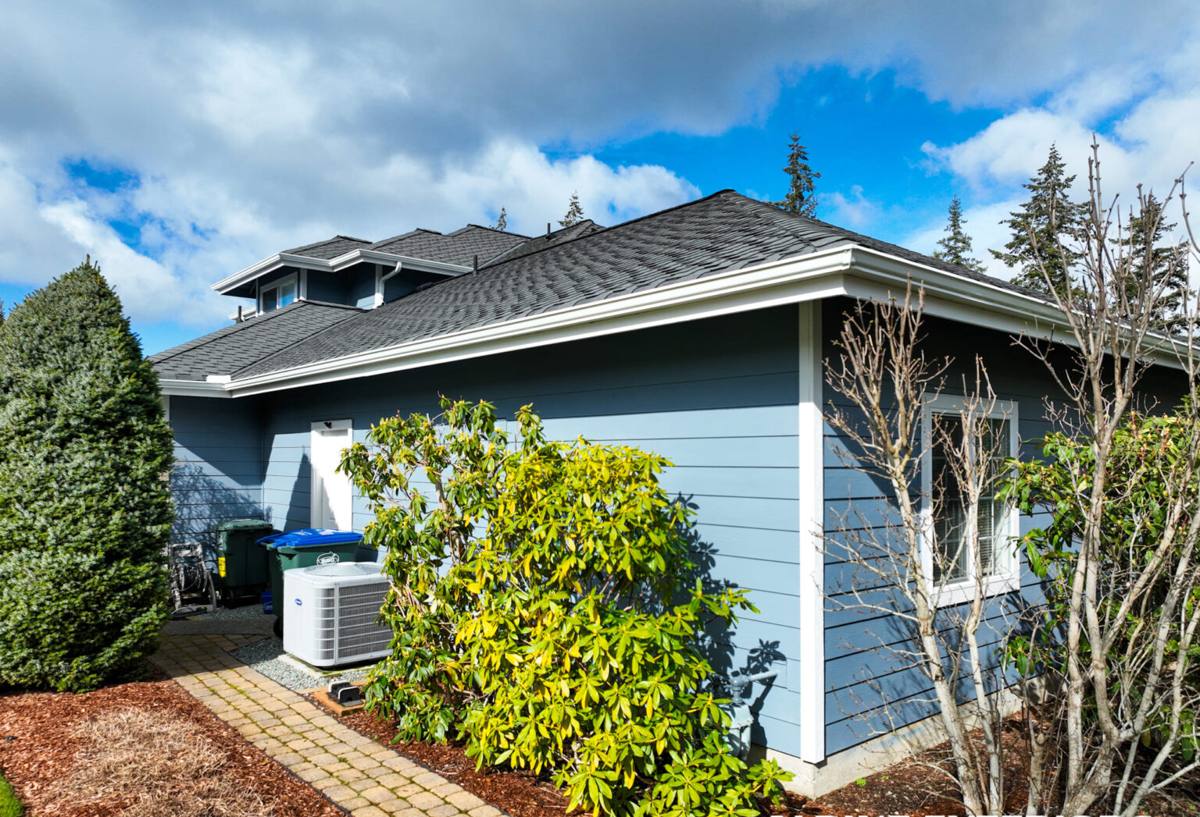
The Repair Issues We See Most on Davis Islands Homes
Every roof is different, but on this island a handful of problems show up over and over:
- Lifted or cracked shingles along ridge lines and roof edges, where wind uplift concentrates force
- Corroded or failing flashing around chimneys, skylights, and wall-to-roof transitions
- Valley leaks where wind-driven rain gets pushed uphill under improperly lapped materials
- Soffit and fascia damage from moisture intrusion at the roof edge
- Granule loss and UV-brittled shingles on south- and west-facing slopes
- Loose or missing fasteners after a tropical storm or high-wind event, even when the roof looks intact from the ground
Some of these are obvious from a ladder. Others — like a slow flashing leak that's been wicking moisture into the decking for months — aren't visible until someone actually gets up there and checks.
What an Honest, Correct Repair Actually Involves
Diagnosing the Real Problem, Not Just the Visible Symptom
A stain on a ceiling doesn't tell you where the water actually entered. Water can travel along rafters and decking before it shows up inside, so the visible damage and the actual entry point are often several feet apart. A correct repair starts with tracing the leak to its source — usually by checking flashing, penetrations, and seams uphill from where the interior damage appeared — rather than just sealing the spot that looks wet.
Matching Materials, Not Just Covering the Hole
Shingles fade and wear differently depending on sun exposure, so a patch using mismatched material stands out and can also behave differently under wind load than the surrounding roof. We match shingle profile, weight, and as close a color as the existing roof allows so the repair blends in and performs consistently with what's already up there.
Flashing and Underlayment Get the Same Attention as Shingles
Most leaks trace back to flashing or underlayment failure, not shingle failure. A repair that replaces shingles but reuses old, corroded flashing is a repair that will leak again. We treat flashing, drip edge, and underlayment as part of the job, not an afterthought.
Wind and Code Considerations
Hillsborough County follows Florida's high-velocity wind building code requirements, and repairs on a home this close to the water should be fastened and sealed with that in mind — proper nailing patterns, sealed laps, and hardware rated for coastal exposure rather than whatever happens to be on the truck.
How Our Repair Process Works
1. Inspection and Straight Talk
We get on the roof, document what we find with photos, and walk you through it in plain terms — what's damaged, what's causing it, and what your realistic options are. We're not going to recommend a full replacement when a targeted repair will genuinely hold up, and we're not going to patch something that needs more than a patch.
2. A Written Scope and Estimate
You get a clear scope of work and a price before anything happens, including a broad range if there's uncertainty until we open up an area (for example, decking condition under damaged shingles isn't always knowable until the shingles are pulled).
3. The Repair Itself
We remove damaged material back to solid, dry substrate, address the underlying cause (not just the symptom), and rebuild the area with materials matched to your existing roof and fastened for coastal wind exposure.
4. Cleanup and Follow-Up
Job site gets cleaned — nails, debris, old material — and we'll tell you honestly if we think the rest of the roof is on borrowed time so you're not surprised later.
Repair or Replace? How We Help You Decide
Not every damaged roof needs full replacement, and not every leak can be permanently fixed with a patch. These are the main factors we weigh:
| Factor | Favors Repair | Favors Replacement |
|---|---|---|
| Roof age | Well within expected lifespan | Nearing or past expected service life |
| Extent of damage | Localized to one area or slope | Spread across multiple areas |
| Decking condition | Solid, dry substrate | Soft, rotted, or repeatedly wet decking |
| Storm history | Isolated damage from one event | Cumulative wear from repeated storms |
| Material availability | Matching material still available | Discontinued shingle line, poor match |
We'll give you our honest read on which column your roof falls into, and why — not just a sales pitch for the bigger job.
Materials We Use, and Why
For repair work, we use corrosion-resistant flashing and fasteners rated for coastal exposure rather than standard-grade hardware, since salt air will find the weak spot in cheaper materials faster on a barrier island than it would inland. We also install a properly lapped, sealed underlayment system under any repaired section, since that layer does most of the actual water-shedding work — shingles handle the sun and wind, but underlayment is the backup that keeps you dry if wind ever gets under a shingle edge.
We're selective about some low-slope patch methods and quick-fix sealant approaches that are common shortcuts in the trade. They can look fine for a season, but they tend to trap moisture or fail under UV exposure faster than a proper flashing and underlayment repair, which means paying for the same leak twice. Our standard is to fix it in a way that holds up through a full Florida storm season, not just until the next rain.
Insurance and Storm Damage Repairs
If your repair is tied to storm damage, documentation matters. We photograph damage before and during the repair and provide a written scope that itemizes what was found and what was done, which is what most insurance adjusters want to see. We're happy to walk you through what's typically covered and what isn't, but we'd rather give you an honest assessment than tell you what you want to hear to get the job.
Why Local Experience on Davis Islands Actually Matters
A roofing crew that regularly works this island knows things a crew coming from further out doesn't always account for: how fast salt air corrodes exposed fasteners here, how wind funnels differently on a barrier island than it does a few miles inland, and what access looks like on the island's tighter lots and older homes. That familiarity shows up in small decisions — which hardware grade to use, how tight to seal a valley, where wind tends to find a weak spot first — that add up to a repair that actually lasts.
Simple Maintenance That Extends the Life of a Repair
A good repair only holds up if the rest of the roof is looked after too. A few habits go a long way between service visits:
- Have the roof visually checked after any named storm or major wind event, even if nothing looks wrong from the ground
- Keep gutters and valleys clear of debris so water has a clear path off the roof
- Trim back overhanging branches that can abrade shingles or drop debris into valleys
- Watch for granule buildup in gutters, a sign a roof is aging past its prime
- Address small leaks immediately rather than waiting for them to spread
- Get a professional inspection every couple of years, even with no visible problems
If you're dealing with a leak, storm damage, or just want an honest opinion on the condition of your roof, we're glad to come take a look. Reach out for a free, no-pressure estimate — the form below gets you started.